Gut Bacteria Discovery Could Transform IBS Treatment
Scientists discovered two gut bacteria that produce serotonin and normalize digestion in mice, opening new paths to treat irritable bowel syndrome. People with IBS have lower levels of one of these bacteria.
For millions living with irritable bowel syndrome, help might come from an unexpected source: bacteria living in your gut that make their own serotonin.
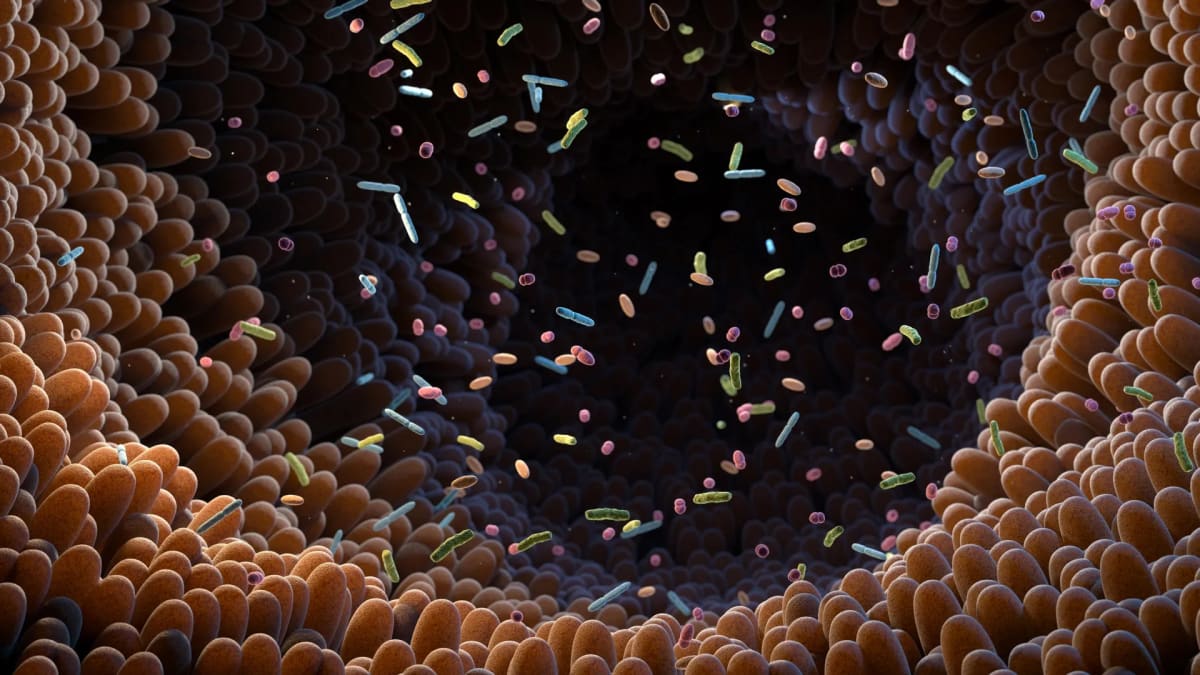
Researchers at the University of Gothenburg identified two bacterial species, Limosilactobacillus mucosae and Ligilactobacillus ruminis, that work together to produce biologically active serotonin. This discovery challenges what scientists thought they knew about how the gut works.
The team tested these bacteria in mice that couldn't produce normal serotonin levels. After introducing the microbes, serotonin levels in the intestines increased, nerve cells in the colon multiplied, and food moved through the digestive system at a healthy pace again.
"It is incredibly fascinating how the gut bacteria can produce bioactive signaling molecules that affect health," says Fredrik Bäckhed, Professor of molecular medicine at Sahlgrenska Academy and lead author of the study published in Cell Reports.
Most people know serotonin as the brain chemical that influences mood. But over 90 percent of your body's serotonin actually lives in your gut, where it regulates bowel movements through what scientists call the "gut brain."
The breakthrough came when researchers compared stool samples from healthy people and those with IBS. People with IBS had significantly lower levels of L. mucosae, the bacterium that contains the enzyme needed to produce serotonin.
IBS affects roughly 10 percent of people worldwide, causing abdominal pain, constipation, and diarrhea. Women experience it more frequently than men. Until now, the exact causes have remained unclear.
The Bright Side
This discovery opens exciting new treatment possibilities that target the root cause rather than just managing symptoms. Instead of relying solely on medications, future treatments might restore healthy bacterial balance to help the gut heal itself.
"Our results indicate that certain intestinal bacteria can produce bioactive serotonin and thus play an important role in intestinal health," says Magnus Simrén, Professor of medical gastroenterology at the University of Gothenburg. The findings create new avenues for treating functional gastrointestinal disorders like IBS.
The research also suggests these gut bacteria might influence how the intestine communicates with the brain, potentially affecting behavior and mental health. Scientists are just beginning to understand the powerful connection between our microscopic gut residents and our overall wellbeing.
For people who've spent years struggling with unpredictable digestive symptoms, this research offers something precious: hope that real solutions are on the horizon.
Based on reporting by Science Daily
This story was written by BrightWire based on verified news reports.
Spread the positivity!
Share this good news with someone who needs it