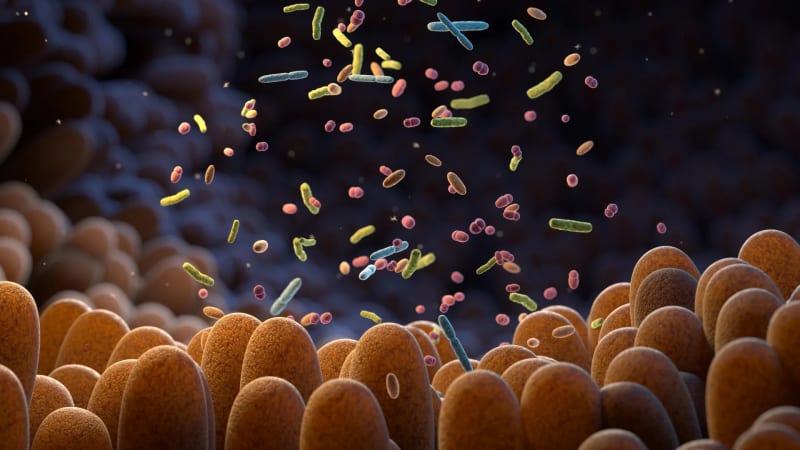
Gut Bacteria Turned into Anti-Aging Factories in Mice
Scientists discovered how to turn gut bacteria into tiny factories that produce compounds linked to longer life, using a safe low-dose antibiotic. The breakthrough improved lifespan in worms and metabolism in mice without harmful side effects.
Scientists just figured out how to transform the bacteria in our guts into miniature anti-aging factories, opening a whole new frontier in longevity research.
Researchers at the Howard Hughes Medical Institute discovered that a low dose of the antibiotic cephaloridine prompts gut bacteria to produce much higher levels of colanic acid, a compound already known to extend lifespan in roundworms and fruit flies. When they tested this approach, worms lived longer and mice showed healthier cholesterol and insulin levels.
The breakthrough came from Dr. Meng Wang's lab, where her team has been studying the biology of aging for years. They wanted to move beyond lab discoveries and find practical ways to help bodies age better by working with the trillions of bacteria already living in our digestive systems.
The key insight was realizing they didn't need to add compounds from outside. Instead, they could encourage the gut microbiome to produce beneficial substances on its own, like flipping a switch in a factory that's already there.
When the researchers gave cephaloridine to roundworms, the worms' gut bacteria ramped up production of colanic acids and the worms lived noticeably longer. In mice, the same low doses activated genes in gut bacteria responsible for making these compounds, leading to impressive metabolic improvements.
Male mice developed higher levels of good cholesterol and lower levels of bad cholesterol. Female mice showed reduced insulin levels, a marker of better blood sugar control and metabolic health.
The beauty of this approach lies in what doesn't happen. Cephaloridine stays in the gut when taken orally and never enters the bloodstream, which means it can work its magic on gut bacteria without affecting the rest of the body or causing toxic side effects.
Why This Inspires
This discovery represents a fundamental shift in how we might design future medicines. Instead of drugs that directly target human cells, we could develop treatments that guide our gut bacteria to produce health-supporting molecules naturally.
Our bodies are home to trillions of bacteria that already manufacture countless compounds. Learning to work with this internal ecosystem rather than against it could unlock safer, more effective ways to support healthy aging.
The approach also sidesteps one of medicine's biggest challenges: unwanted side effects. By keeping the drug confined to the gut, researchers found a way to influence health without the toxicity that often comes with traditional medications.
What makes this especially hopeful is that it builds on resources we already have. We're not adding foreign substances or complicated interventions, just gently nudging our existing gut bacteria to do more of what benefits us.
The research points toward a future where aging isn't something we simply endure but something we can actively support through smart collaboration with the microscopic partners living inside us.
Based on reporting by Google News - Scientists Discover
This story was written by BrightWire based on verified news reports.
Spread the positivity!
Share this good news with someone who needs it