Gut Compound From Berries May Heal Intestinal Damage
Scientists discovered that a natural compound produced when gut bacteria digest pomegranates, berries, and walnuts activates a hidden repair system that protects and heals the intestinal lining. The finding could lead to more targeted treatments for millions living with inflammatory bowel disease.
Scientists at the University of Louisville just discovered how eating berries, pomegranates, and walnuts might help your gut heal itself from the inside out.
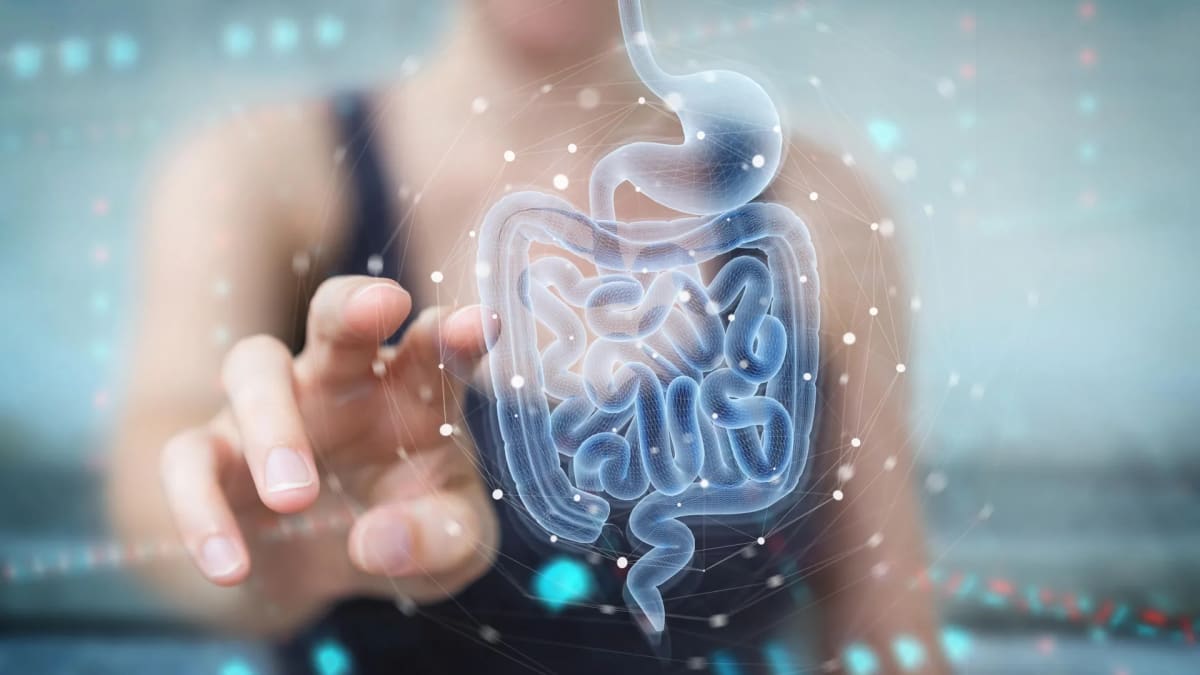
When gut bacteria digest these foods, they create a compound called urolithin A. Researchers found this natural substance flips a switch in intestinal cells, activating a repair system that strengthens the gut lining, boosts protective mucus production, and reinforces the body's defenses against harmful bacteria.
The discovery matters most for people living with inflammatory bowel disease, which includes Crohn's disease and ulcerative colitis. These conditions affect millions worldwide and occur when the protective gut barrier breaks down, leading to chronic inflammation, pain, and long-term complications.
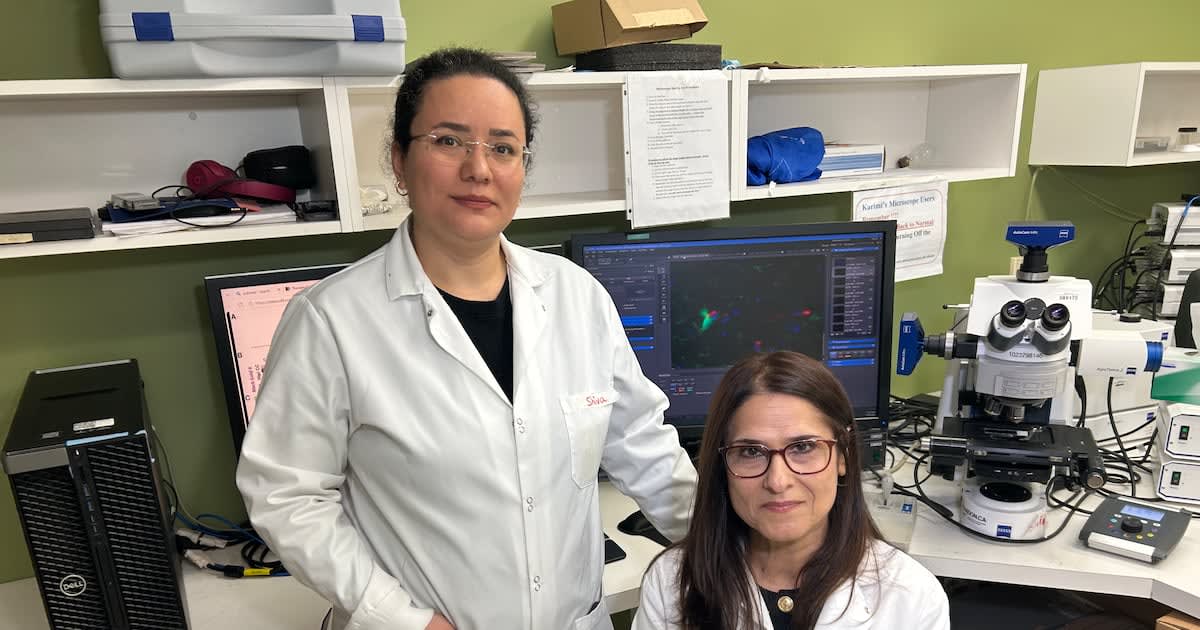
Dr. Venkatakrishna Rao Jala and his team focused on understanding how urolithin A interacts with a protein called the aryl hydrocarbon receptor, or AHR. Scientists have known for years that AHR acts like a sensor, responding to signals from food, environment, and gut microbes, but they were puzzled by contradictory effects.
The same receptor seemed to cause harm when activated by environmental toxins but provided benefits when triggered by dietary compounds. The Louisville team cracked the code by showing that location and activation strength determine whether AHR helps or harms.
When urolithin A activates AHR specifically in intestinal lining cells, it triggers something surprising. The compound switches on the NLRP6 inflammasome, a cellular defense system usually associated with damaging inflammation.
But under these precise conditions, the inflammasome becomes protective instead of destructive. It releases molecules that repair tissue damage, strengthen the intestinal barrier, and support healing rather than driving additional inflammation.
Lead investigator Dr. Sweta Ghosh emphasized the paradigm shift. "The findings show that not all inflammatory pathways are harmful," she explained. "Under the right conditions and in the right cells, these pathways can play an essential role in maintaining gut health and supporting tissue repair."
The team confirmed their findings using cell studies, organoid models, and actual intestinal tissue samples from IBD patients. The human tissue showed the same protective response observed in laboratory experiments.
Why This Inspires
This research opens doors to a fundamentally different approach to treating inflammatory bowel disease. Instead of broadly suppressing the immune system with current medications, future treatments could precisely target protective pathways in specific cell types.
The work demonstrates something equally exciting: how the foods we eat, the bacteria living in our guts, and our own cellular defense systems work together in intricate harmony. Understanding these natural partnerships could inspire treatments that restore balance rather than override the body's wisdom.
For the millions navigating life with IBD, this discovery represents hope for therapies that work with the body instead of against it.
Based on reporting by Health Daily
This story was written by BrightWire based on verified news reports.
Spread the positivity!
Share this good news with someone who needs it