
Gut Health May Predict Sepsis Risk, New Study Shows
Scientists discovered that the mix of bacteria in your gut might determine whether you're more vulnerable to deadly sepsis. The breakthrough could one day help doctors identify at-risk patients before they ever get sick.
Your gut bacteria might hold the key to understanding why some people develop life-threatening sepsis while others fight off the same infections with ease.
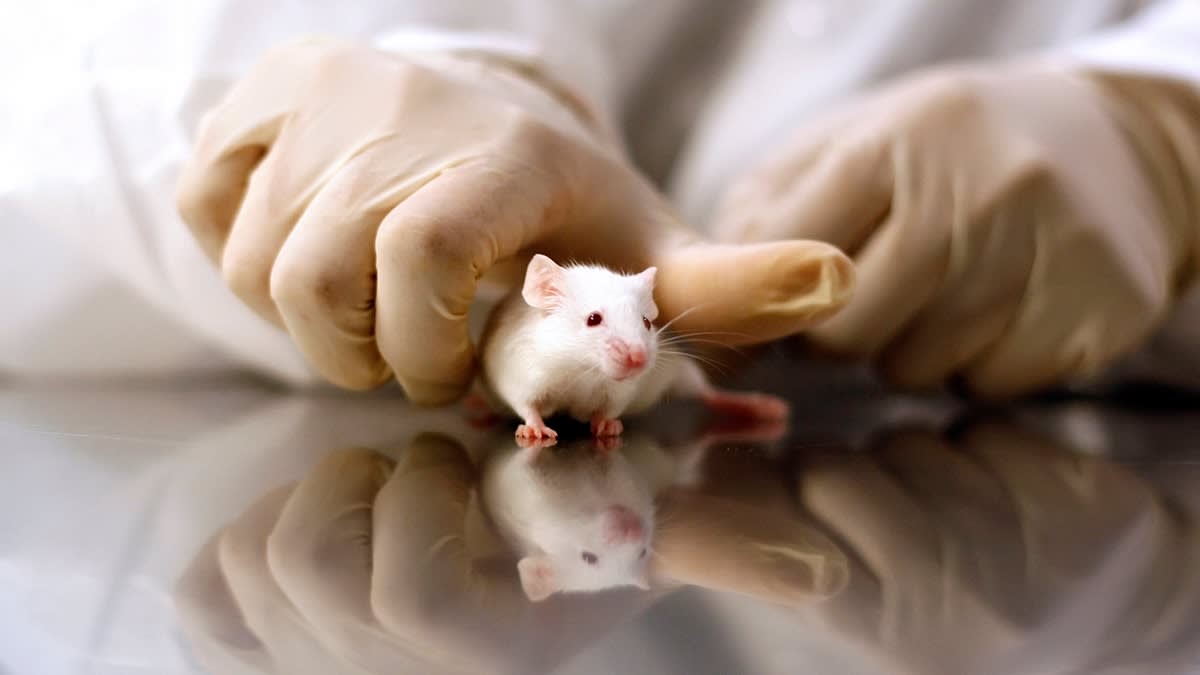
Researchers in South Korea studied mice with similar genetics but different gut microbiomes to solve a medical puzzle that has stumped doctors for years. When infected with a dangerous bacterium, some mice thrived while others became critically ill, and the difference came down to their gut health.
The vulnerable mice had 28% of their gut bacteria from one family called Muribaculaceae, compared to just 0.15% in healthier mice. This difference triggered stronger inflammatory responses that allowed infections to spread through the blood, lungs, and spleen.
The study, published in Nature, revealed that one specific bacterial strain made mice 90% more likely to die from sepsis. When healthy mice were housed with infected ones, their survival rate plummeted from high levels to just 10%.
Dr. Andrew Fleming from NYU Langone Hospital says doctors have known for years that gut bacteria can leak into the bloodstream during sepsis, worsening inflammation. But this research shows the gut microbiome might signal immune system problems before infection even begins.
Scientists now think of the gut microbiome as a living organ, much like your heart or kidneys. An unhealthy microbiome affects everything from digestion to how your body fights disease.
The Bright Side
The discovery opens doors for future prevention strategies. Doctors might one day test gut health to identify patients at risk for severe sepsis before they encounter dangerous infections.
But there's something you can do right now to protect yourself. Fleming emphasizes that maintaining a diverse, healthy gut microbiome helps regulate your immune system.
One surprising culprit? Unnecessary antibiotics. The CDC estimates 30% of antibiotic prescriptions in the U.S. are unnecessary, and these drugs can wipe out good bacteria and create openings for harmful ones to take over.
While the specific bacteria studied doesn't exist in humans, the principle remains the same. A balanced gut microbiome appears protective against severe infections.
Fleming calls the findings an "intriguing starting point" that needs more research in human trials. The limitations don't diminish the core message: what lives in your gut matters far more than most people realize.
Taking care of your microbiome through thoughtful antibiotic use and gut-healthy choices might be one of the simplest ways to strengthen your body's defenses.
More Images



Based on reporting by Fox News Health
This story was written by BrightWire based on verified news reports.
Spread the positivity!
Share this good news with someone who needs it