Gut Immune Cells Travel to Brain, Remember Infections
Scientists discovered immune cells journey from the gut to protective brain membranes after stomach infections, where they keep lasting memories of illness. This breakthrough could unlock new treatments for neurological disorders.
Your gut and brain have a secret communication network that scientists just mapped for the first time, and it could change how we treat brain diseases.
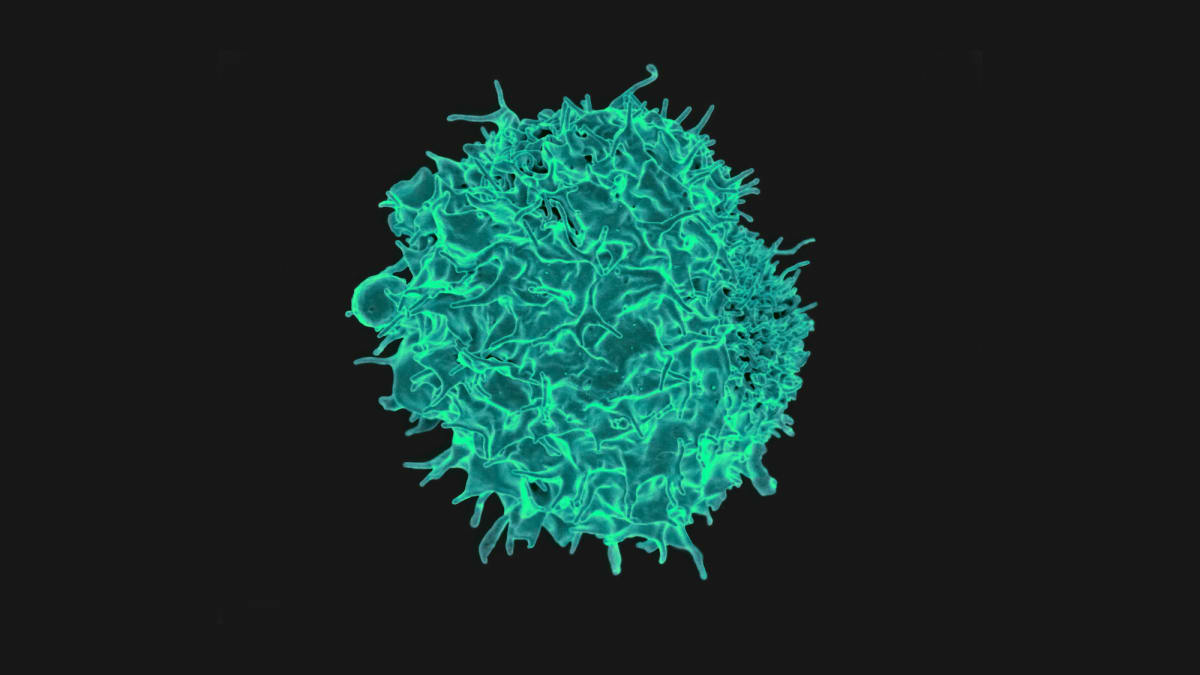
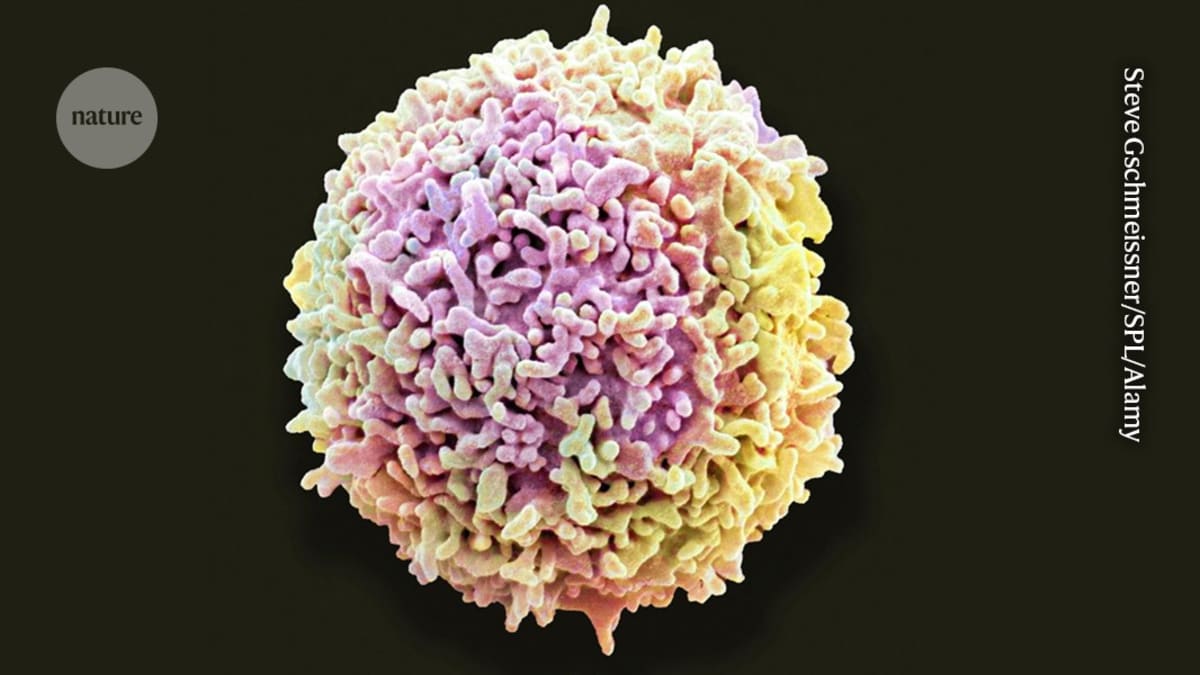
Researchers at the University of Cambridge discovered that immune cells trained to fight stomach bugs don't just stay in your digestive system. They travel through the bloodstream all the way to the meninges, the protective membranes surrounding your brain, where they set up permanent residence.
The team infected mice with common bacteria and parasites that cause intestinal illness, including food poisoning bugs and parasitic worms. Three to six weeks later, they found specialized immune cells called CD4+ T cells had migrated from the gut to the brain's protective layers.
Here's where it gets fascinating. These cells didn't just visit and leave. They stayed put and remembered the infection, responding faster when exposed to the same pathogen more than a month later.
Before the study, scientists knew some immune cells lived in both locations under healthy conditions. But nobody had proven that gut-trained infection fighters actually make the journey to protect the brain.
The researchers confirmed the connection by sequencing tissue from both locations and finding identical T-cell receptors. They also discovered the cells use chemical signals called chemokines like a GPS system to navigate through the bloodstream to their destination.
The Ripple Effect
This discovery opens doors researchers didn't know existed. Understanding how gut infections influence brain protection could lead to new therapies for neurological disorders that harness this natural highway between organs.
Francisco Quintana, a Harvard neuroimmunologist not involved in the study, called the research "outstanding." The findings suggest our bodies have built-in communication systems between organs that are far more sophisticated than previously understood.
The study was published in Nature Neuroscience and represents years of work tracking individual immune cells on their journey through the body. It's the kind of fundamental research that seems simple in hindsight but required innovative techniques to prove.
For lead researcher Menna Clatworthy, the next steps involve understanding whether this immune memory system protects the brain from infections or might sometimes contribute to inflammatory brain conditions.
What started as curiosity about wandering immune cells has revealed a protective network that's been operating inside us all along.
More Images




Based on reporting by Google News - Health
This story was written by BrightWire based on verified news reports.
Spread the positivity!
Share this good news with someone who needs it