Guyana Building 15 MW Solar Parks to Cut Fossil Fuels
Guyana is constructing three solar farms that will power thousands of homes while slashing the nation's dependence on fossil fuels. The $22.6 million project marks a major step in the South American country's clean energy transformation.
A small South American nation is making a big bet on sunshine, and it could light the way for other countries trying to break free from fossil fuels.
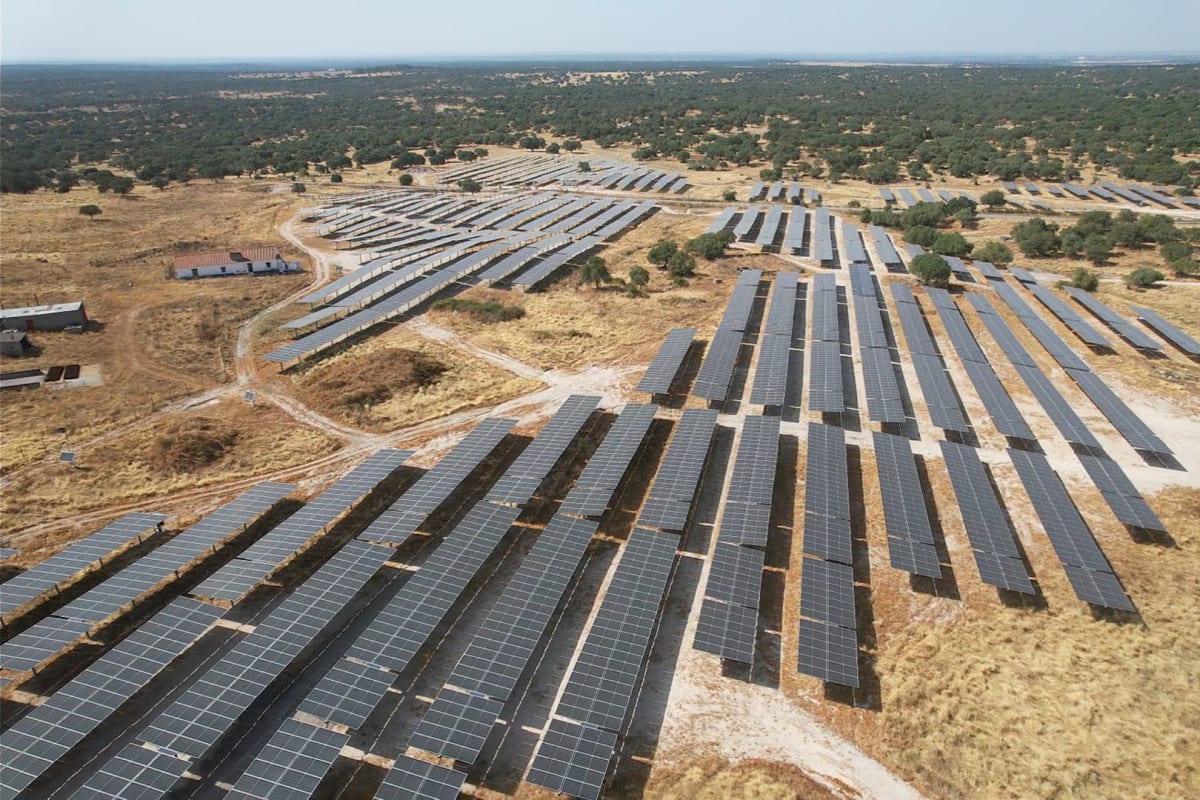
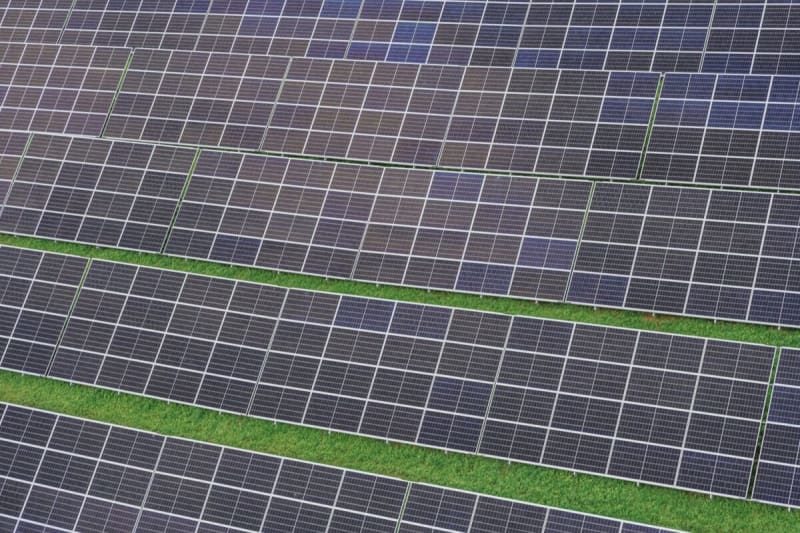
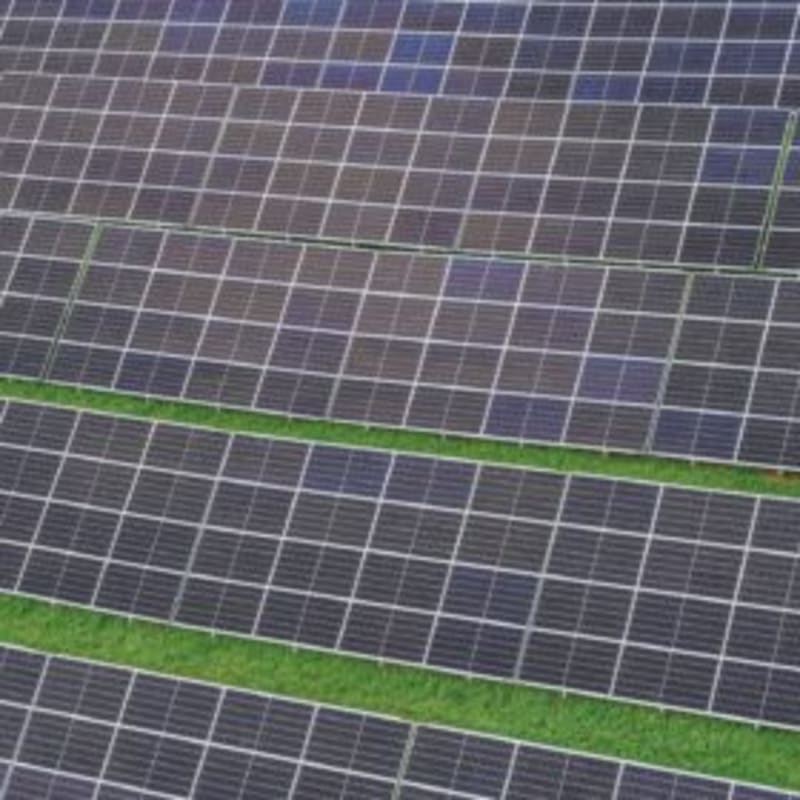
Guyana has launched construction on three solar parks in its tenth region, with a combined capacity of 15 megawatts. The facilities, consisting of 3 MW, 4 MW, and 8 MW arrays, will be backed by 22 megawatt-hours of battery storage to keep the lights on even when clouds roll in.
The $22.6 million project is being built through a partnership between Chinese construction firm SUMEC and power equipment manufacturer XJ Group Corporation. Construction will take 18 months, with the solar farms expected to connect to Guyana's power grid by early 2027.
These three parks are part of a much larger vision. Guyana's Utility Scale Solar Photovoltaic Program aims to build 33 MW of solar capacity across four regions of the country, all paired with battery storage to ensure reliable power delivery.
The government says the program will reduce taxpayer subsidies for electricity, lower fossil fuel dependence, and improve power services for new infrastructure projects. For a nation of just 800,000 people, that's transformative change.
Guyana isn't stopping at utility-scale projects. The country has been helping families go solar through its home energy systems program, which added 4.8 MW of residential solar capacity across all ten administrative regions since launching in July 2023.
Last August brought an even more remarkable milestone. The island of Leguan achieved complete energy independence after inaugurating a 0.6 MW solar farm with 1.2 MWh of battery storage, becoming a model for other small island communities worldwide.
The Ripple Effect
Guyana's solar push demonstrates how developing nations can leapfrog dirty energy infrastructure entirely. By the end of 2024, the country's total solar capacity reached 17 MW, according to the International Renewable Energy Agency.
That might sound modest compared to solar giants like China or the United States. But for a country that historically relied heavily on fossil fuels, this represents a fundamental shift in how energy is produced and consumed.
The battery storage component is especially significant. It solves solar power's biggest challenge by storing excess energy during sunny days for use at night or during storms, making renewable energy just as reliable as traditional power plants.
Other small nations facing similar energy challenges are watching closely. Guyana's success could provide a roadmap for island states and developing countries looking to build modern, clean energy systems from the ground up without decades of fossil fuel dependence.
When the solar parks flip on in 2027, they'll prove that even the smallest countries can make giant strides toward a cleaner future.
More Images

Based on reporting by PV Magazine
This story was written by BrightWire based on verified news reports.
Spread the positivity!
Share this good news with someone who needs it