Norway and Taiwan Partner on Floating Wind Energy
Two nations are joining forces to accelerate floating offshore wind technology that could power millions of homes. The partnership combines Norway's testing expertise with Taiwan's manufacturing capabilities to make clean energy more accessible worldwide.
Norway and Taiwan just signed a deal that could help make floating wind farms a reality across the globe.
Norwegian Offshore Wind, a non-profit business network, partnered with three Taiwanese research institutes at the 2026 ONS energy conference in Stavanger. Together, they'll develop commercial floating offshore wind farms, create test sites, and build supply chains that work across continents.
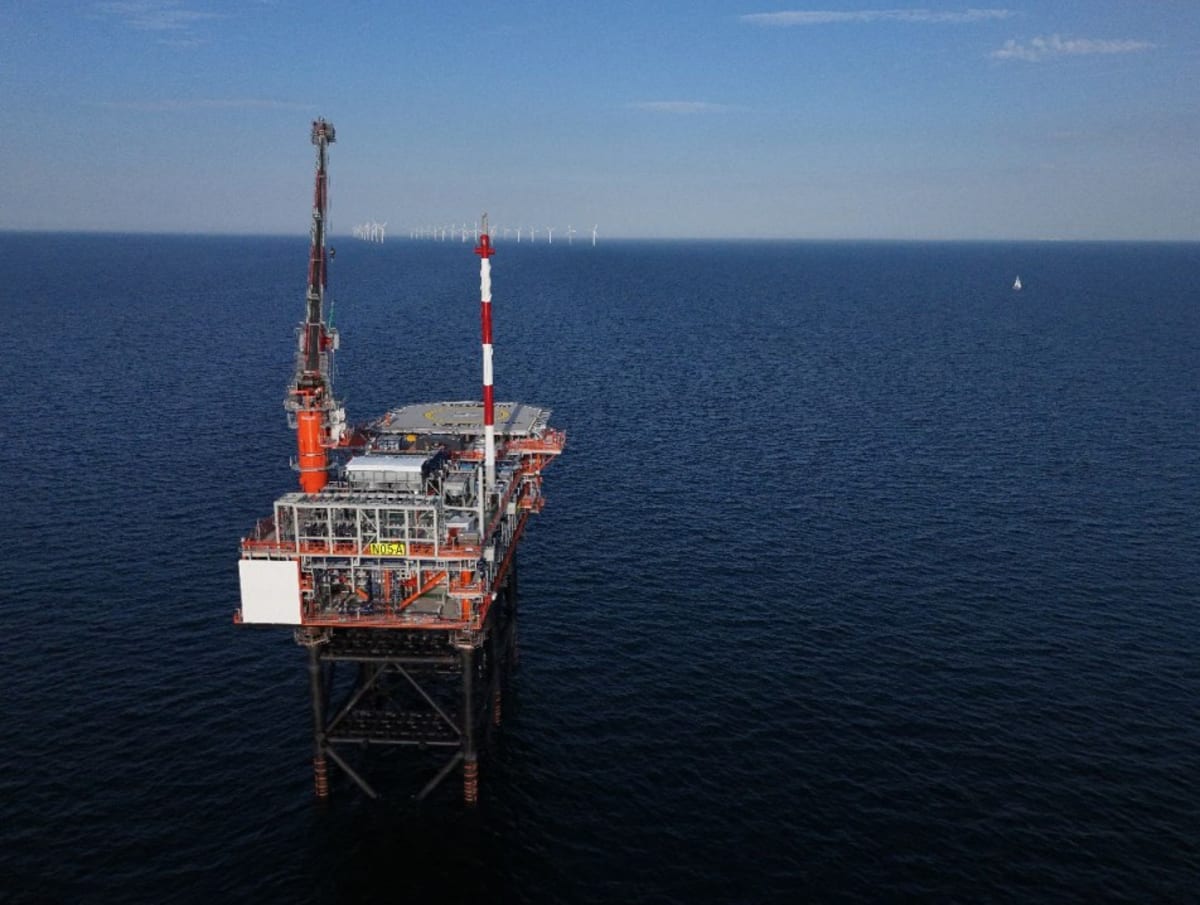
The partnership brings together Norway's deep experience in ocean-based energy testing with Taiwan's industrial manufacturing power. Taiwanese researchers will test their floating wind infrastructure at Norway's METCentre off the coast of Karmøy, a specialized testing facility designed for offshore wind experiments.
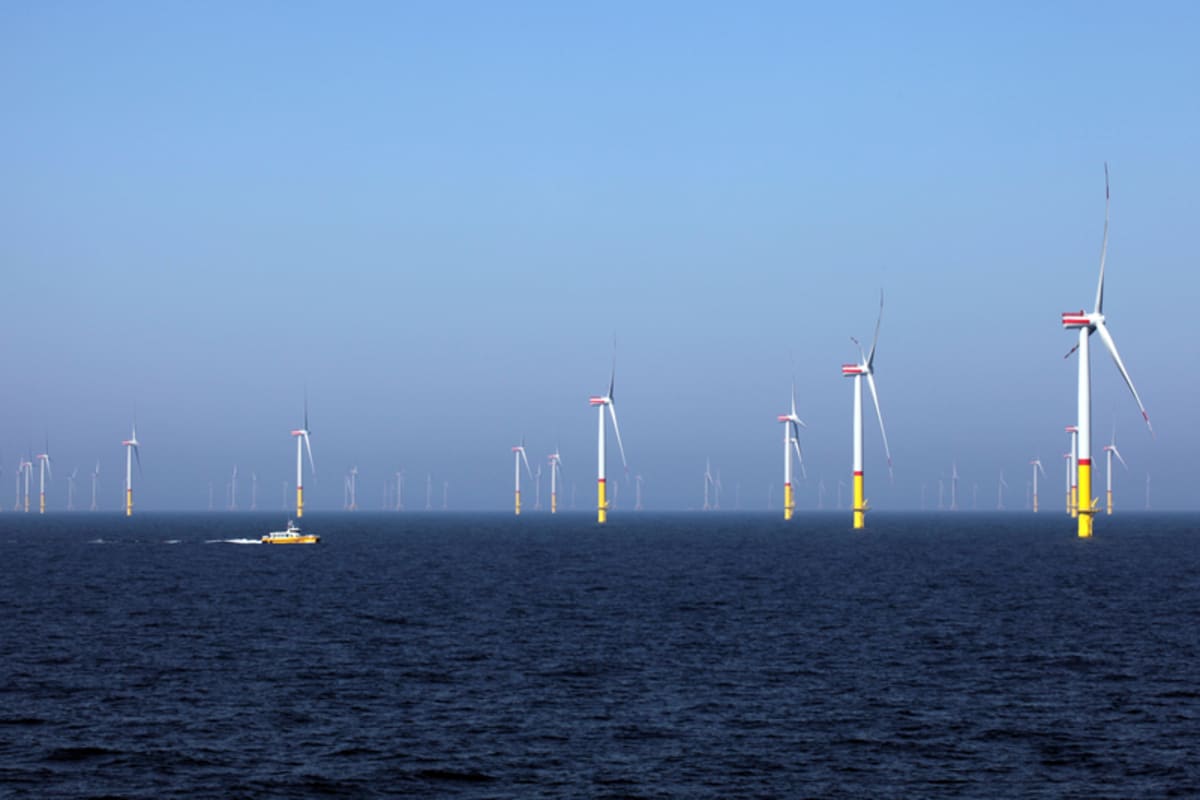
The timing couldn't be better. Taiwan plans to launch its first floating offshore wind demonstration program this year and aims to install 55 gigawatts of offshore wind capacity by 2050. That's enough to power tens of millions of homes and would make Taiwan one of the world's top four offshore wind producers alongside China, Germany, and the Netherlands.
Norway has equally ambitious goals, targeting 30 gigawatts of offshore wind energy by 2040. The country wants to use its decades of offshore oil and gas expertise to lead the renewable energy transition.
The Ripple Effect
This collaboration shows how countries can accelerate clean energy by sharing knowledge instead of competing. When Norway shares its testing facilities and ocean engineering experience, Taiwan can develop better technology faster. When Taiwan shares its manufacturing capabilities, both countries can reduce costs and make floating wind farms more affordable globally.
Floating wind technology matters because it unlocks vast ocean areas where traditional fixed-bottom turbines can't reach. Deeper waters often have stronger, more consistent winds, meaning more reliable clean energy. As these two nations refine the technology together, other countries will benefit from their breakthroughs.
Arvid Nesse, CEO of Norwegian Offshore Wind, emphasized the mutual benefits: "Having strong international partners to co-develop supply chains and test environment frameworks is immensely valuable for both Norwegian and Taiwanese industry players."
The three Taiwanese institutes called the agreement "an important step" that combines Norway's testing experience with Taiwan's research and industrial capabilities to advance technology and create new supply chain opportunities.
This partnership proves that the path to clean energy runs through cooperation, not isolation.
More Images




Based on reporting by Google News - Wind Energy
This story was written by BrightWire based on verified news reports.
Spread the positivity!
Share this good news with someone who needs it