Hainan Bans Gas Car Sales by 2030, Leading China's EV Push
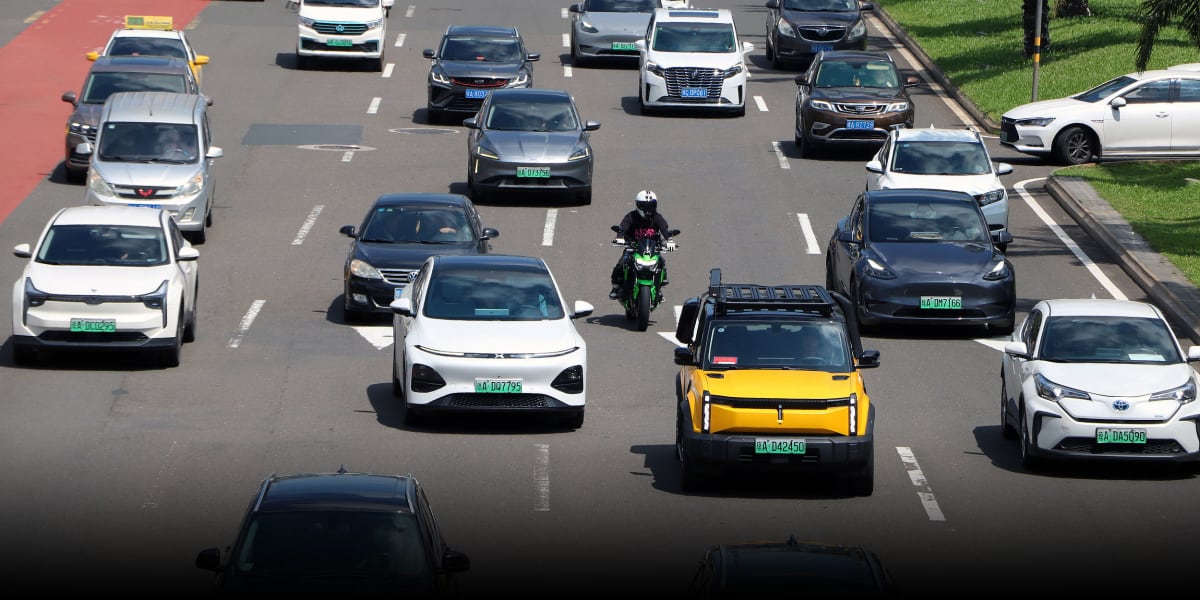
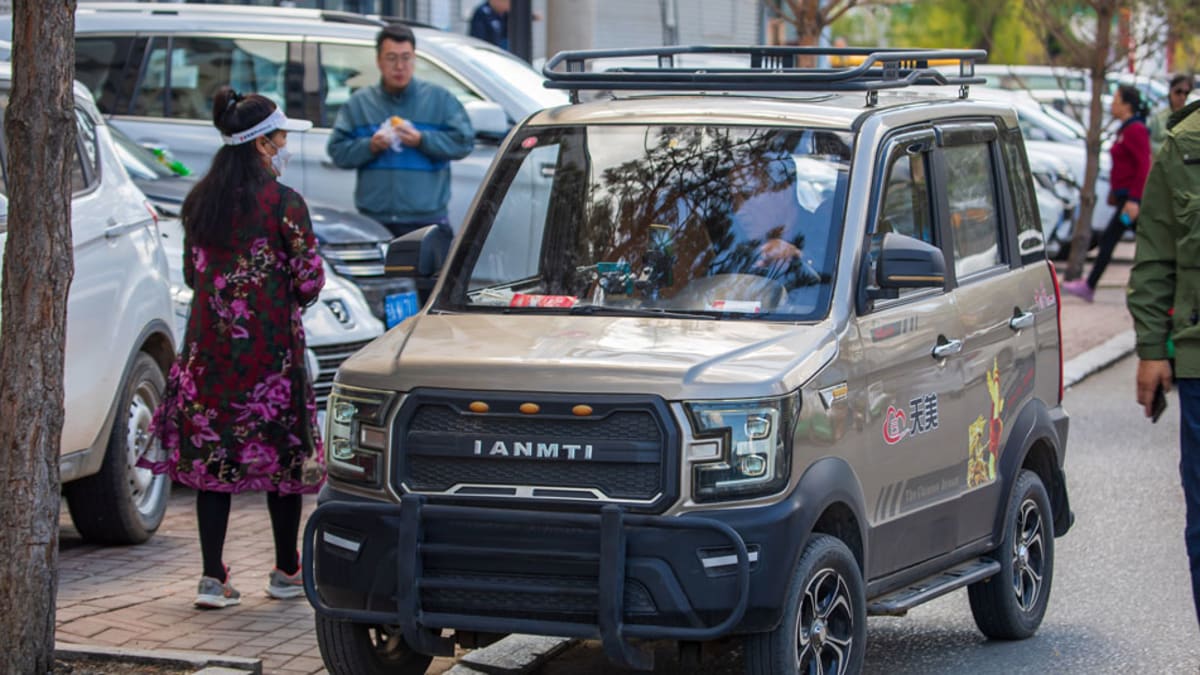
China's tropical island province of Hainan will become the first in the nation to ban gasoline car sales by 2030, marking a major milestone in the country's clean energy transition. The move comes as electric vehicles already make up three quarters of new car sales on the island.
A paradise island is showing the rest of China what a clean transportation future looks like.
Hainan province announced it will ban all new gasoline-powered car sales by 2030, becoming the first province in China to set such a deadline. The tropical island, famous for its beaches and resorts, plans to require every new vehicle sold to be electric, from private cars to buses and taxis.
The shift is already happening faster than anyone expected. This April, electric vehicles accounted for nearly 75% of all new car sales in Hainan, the highest rate in the country. That's a massive jump from less than 25% just last year.
Geography is giving Hainan a natural advantage in this transition. The island is small enough that modern EVs can drive its entire 600-kilometer coastal highway on a single charge. The warm tropical climate also means drivers never have to worry about cold weather draining their batteries, a common concern in northern regions.
Money talks too. Gas in Hainan costs about 20 cents more per gallon than in other provinces because the island bundles road maintenance fees into fuel prices instead of charging highway tolls. That premium has quietly nudged drivers toward electric for years.
The environmental payoff extends far beyond one island. According to a new report from the Centre for Research on Energy and Clean Air, China's electric vehicles eliminated the need for 33.7 million tonnes of oil in just the first half of 2026. That's equal to 6% of all the crude oil China imported last year.
The Ripple Effect
Hainan's success is already inspiring action across China. Nationwide, electric vehicles jumped from under 6% of new car sales in 2020 to over half in 2025. The Ministry of Industry and Information Technology has encouraged other regions with suitable conditions to follow Hainan's lead with their own pilot programs.
The cleaner air is tangible. EV adoption has become one of the biggest drivers of air quality improvement across China, with millions fewer cars pumping exhaust into city streets every day.
Don't worry if you already own a gas car in Hainan. Existing gasoline vehicles will still be allowed on the roads after 2030, and hybrid vehicles will continue to be sold. The province is also building charging infrastructure to match, aiming for one charging station for every 2.5 electric vehicles.
One small island is proving that a clean transportation future isn't just possible—it's already arriving.
More Images

Based on reporting by Sixth Tone
This story was written by BrightWire based on verified news reports.
Spread the positivity!
Share this good news with someone who needs it