Sri Lanka Textile Giant Cuts Emissions 49% With Clean Energy
A major Sri Lankan manufacturer is slashing emissions and energy costs at the same time, proving that going green can also mean staying competitive. Teejay Lanka is betting $5 million on solar and biomass to cut carbon by nearly half while saving up to 30% on fuel.
When your competitive edge starts slipping away, sometimes the best move forward is also the greenest one.
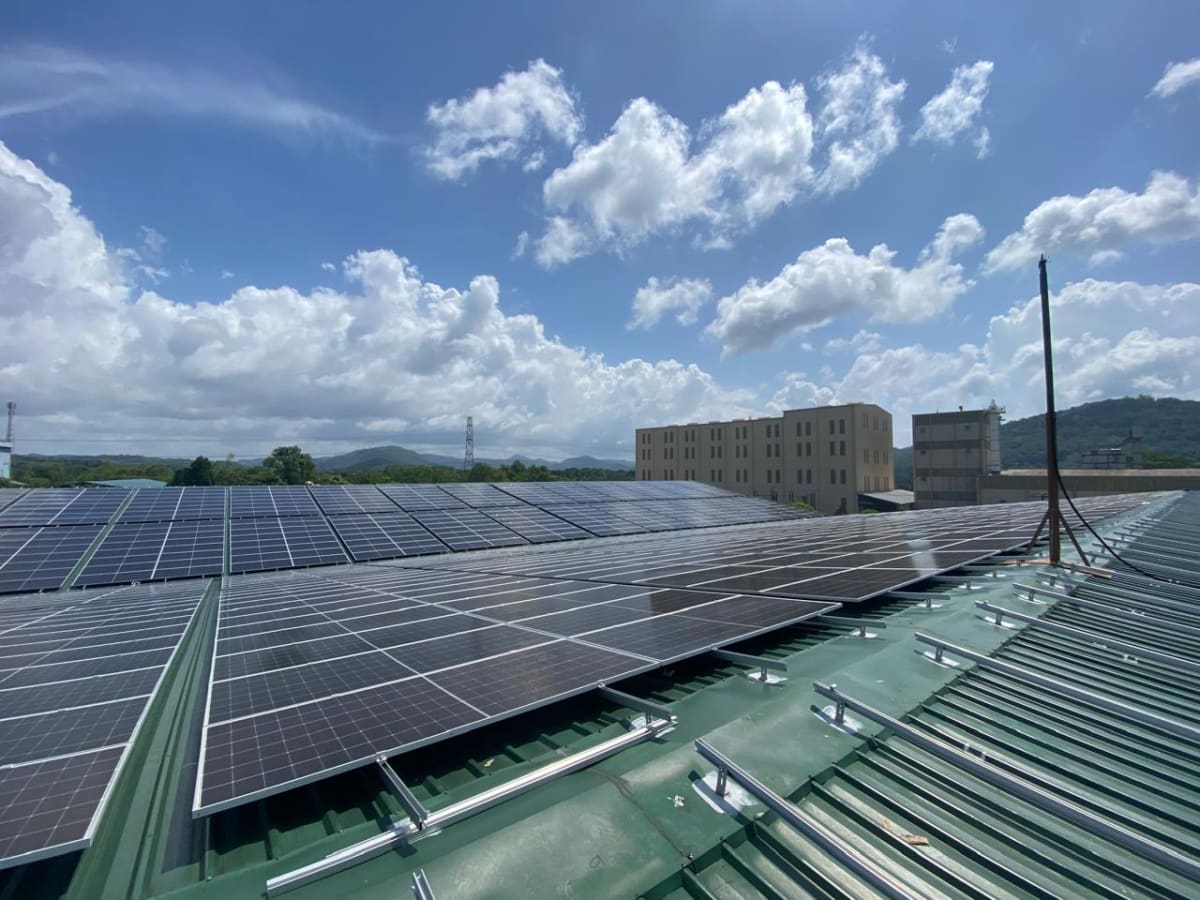
Teejay Lanka, one of Sri Lanka's largest textile manufacturers, is making a $5 million bet that clean energy can solve two problems at once: rising emissions and rising costs. The company is installing a massive 7.2 MW solar array across 50,000 square meters of factory rooftops while switching from coal to certified biomass fuel.
The solar project alone covers five sections of factory roof and will be fully connected to the grid by September 2026. Right now, 40% of the panels are already in place, with transformers and inverters on the way.
Here's the remarkable part: the company is moving ahead even though the math isn't perfect. The region only gets about 4 to 4.5 hours of usable sunlight daily because of cloud cover and rain, meaning payback will take 10 or 11 years instead of the usual 6 or 7. Teejay is treating it as insurance against future fuel price shocks rather than a quick return.
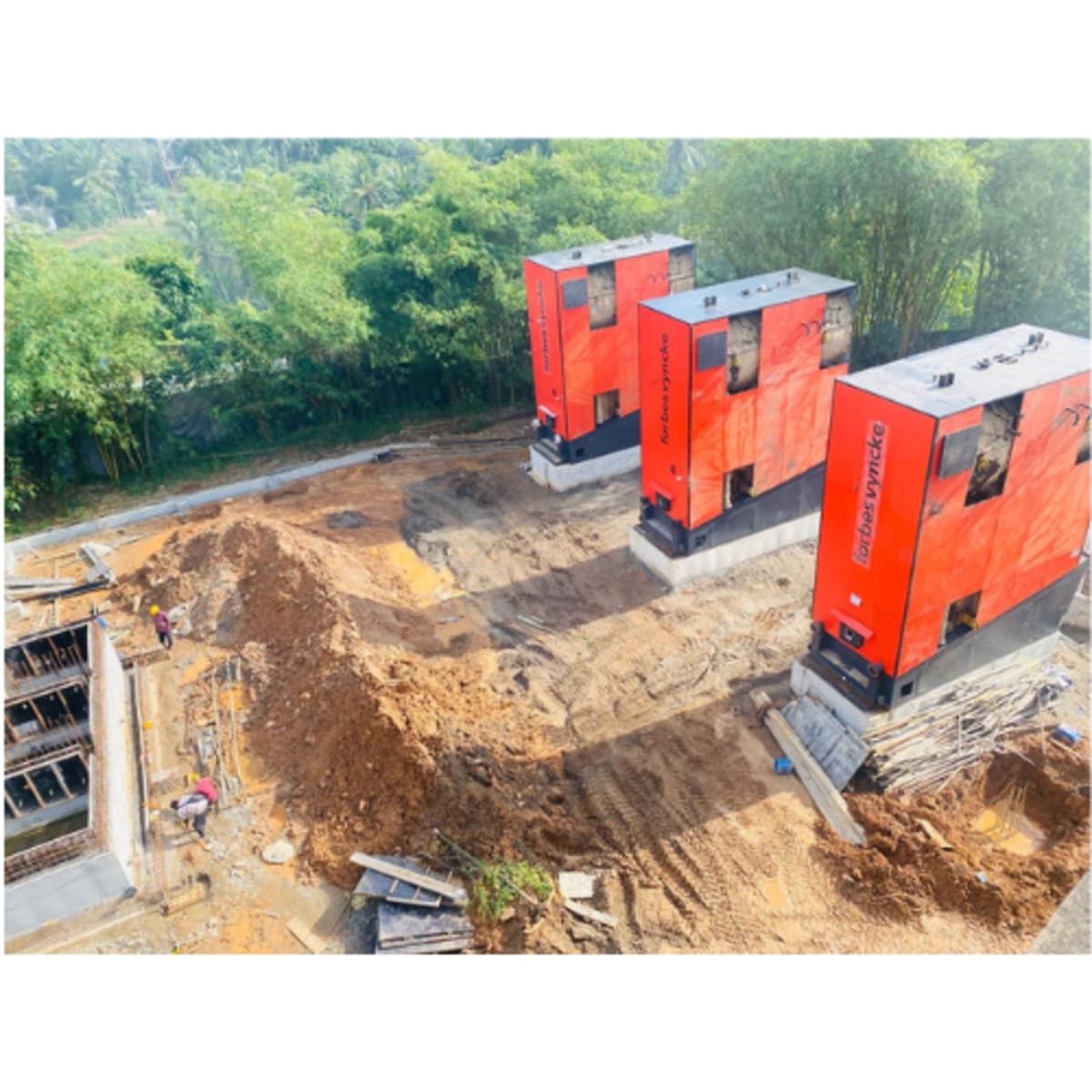
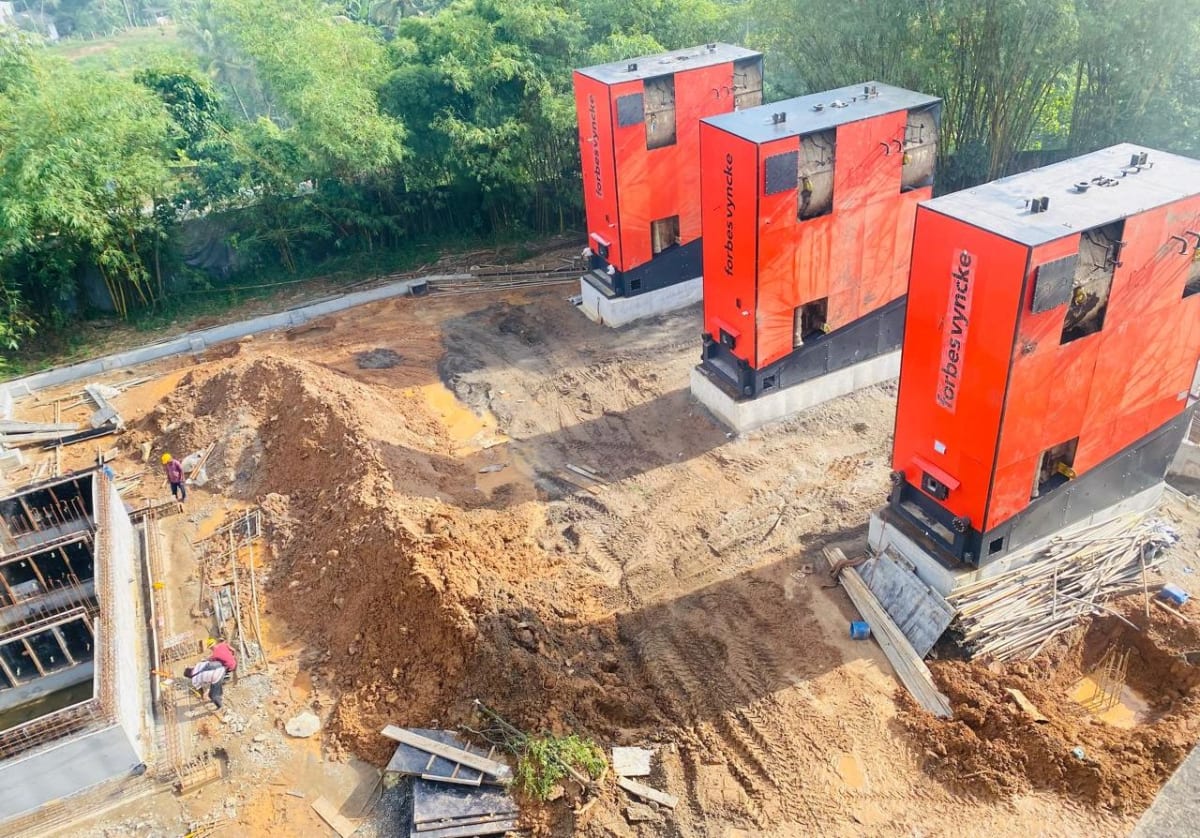
The bigger win comes from biomass. The company spent $2.65 million on a new boiler system that burns locally sourced, certified biomass instead of imported coal. That single switch is expected to deliver a 49% reduction in facility emissions while cutting fuel costs by 25 to 30%.
The biomass itself is carefully tracked and certified, deliberately excluding rubber wood, wild wood, or anything from unverified sources. Long term contracts keep the supply chain transparent and reliable.
Why This Inspires
What makes this story powerful isn't just the carbon cuts or cost savings. It's watching a company treat climate action as a business strategy, not a sacrifice. Teejay is on track to hit its 2030 emissions target by September 2026, four years early. That's a 42% reduction against 2022 levels, verified under international standards and published in their annual reports.
The company is also proving that countries heavily dependent on imported energy can take back control. Nearly all of Sri Lanka's energy is imported, meaning a crisis halfway around the world can spike factory power bills within weeks. Local biomass changes that equation entirely.
For an industry facing fierce competition from Vietnam, Bangladesh, and Indonesia, Teejay found a new edge where others weren't looking: in the fuel that powers their factories and the sunlight hitting their roofs.
Clean energy just became their competitive advantage.
More Images
Based on reporting by Google News - Emissions Reduction
This story was written by BrightWire based on verified news reports.
Spread the positivity!
Share this good news with someone who needs it