Haiti's World Cup Team Brings Hope to Gang-Torn Nation
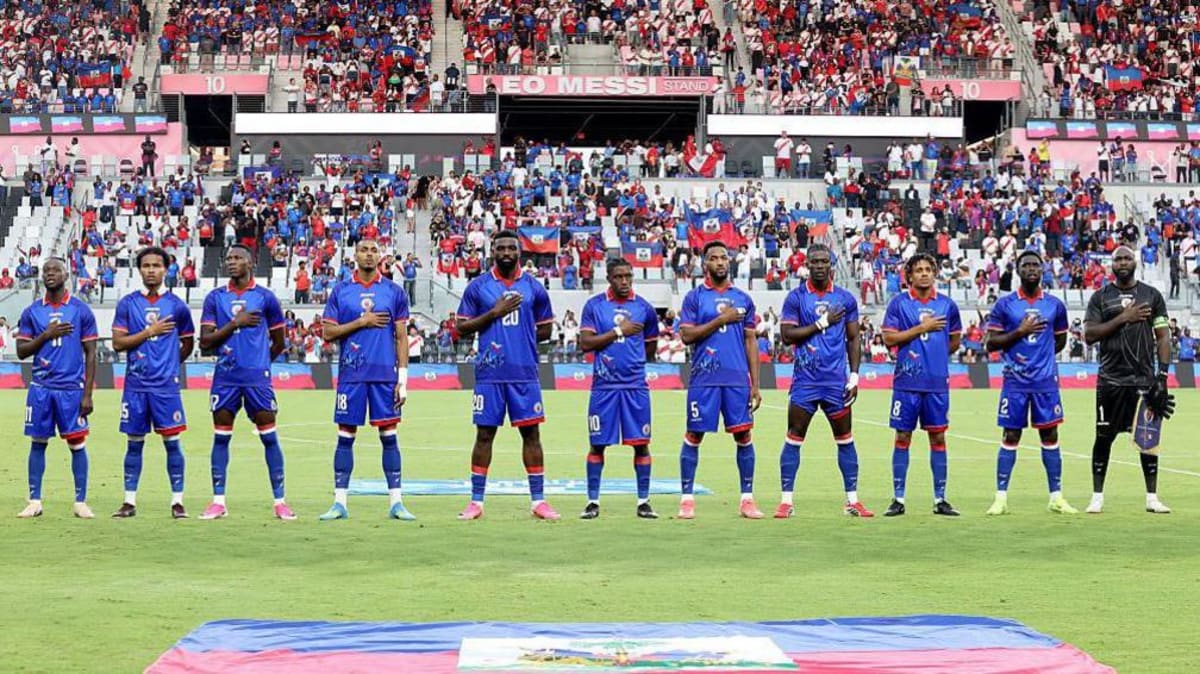
Haiti's national soccer team is giving 11.5 million people hope amid gang violence that killed 5,600 in 2024 alone. Their first World Cup since 1974 has united a nation where even the team can't play at home.
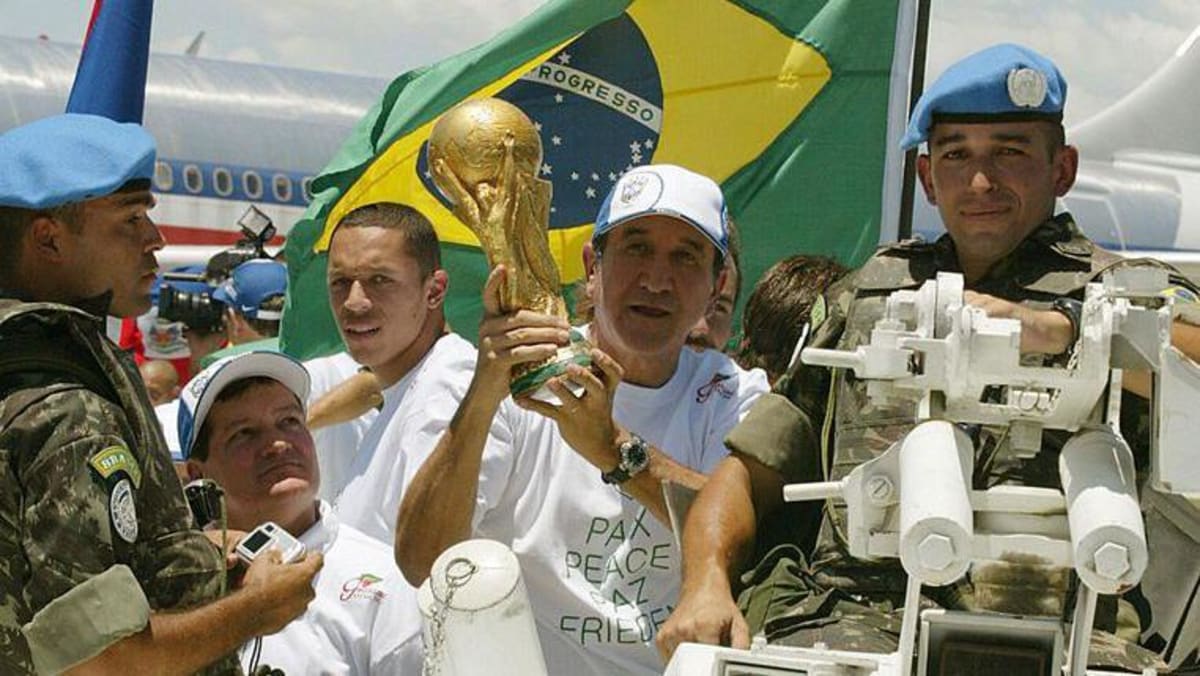
When Brazil's soccer legends came to Haiti in 2004, something miraculous happened. For two entire days, the gangs stopped shooting.
Twenty years later, Haiti is heading to the World Cup again, and once again, soccer is bringing peace to a nation desperately searching for it. In a country so dangerous the national team hasn't played a home game in five years, football offers something rare: a reason to celebrate.
The numbers tell a grim story. Over 5,600 people died from gang violence in Haiti last year alone. The 2010 earthquake killed more than 100,000. Gang warfare controls so much territory that the national stadium was taken over two years ago, forcing Haiti to play "home" matches 500 miles away in Curacao.
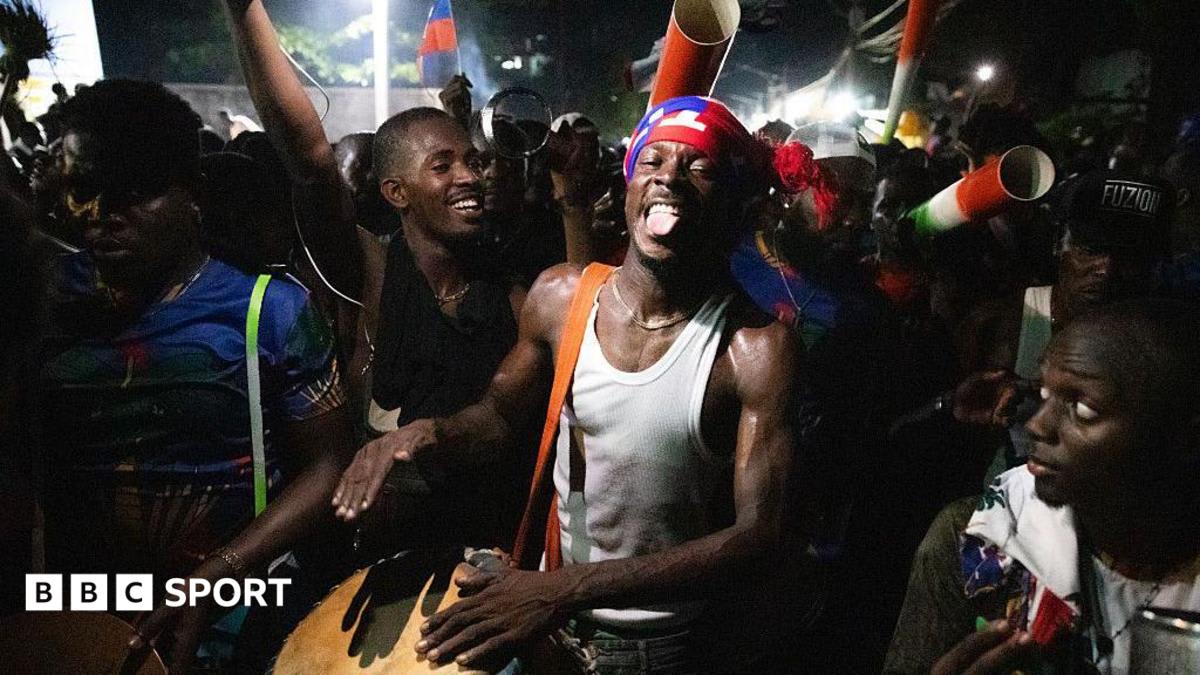
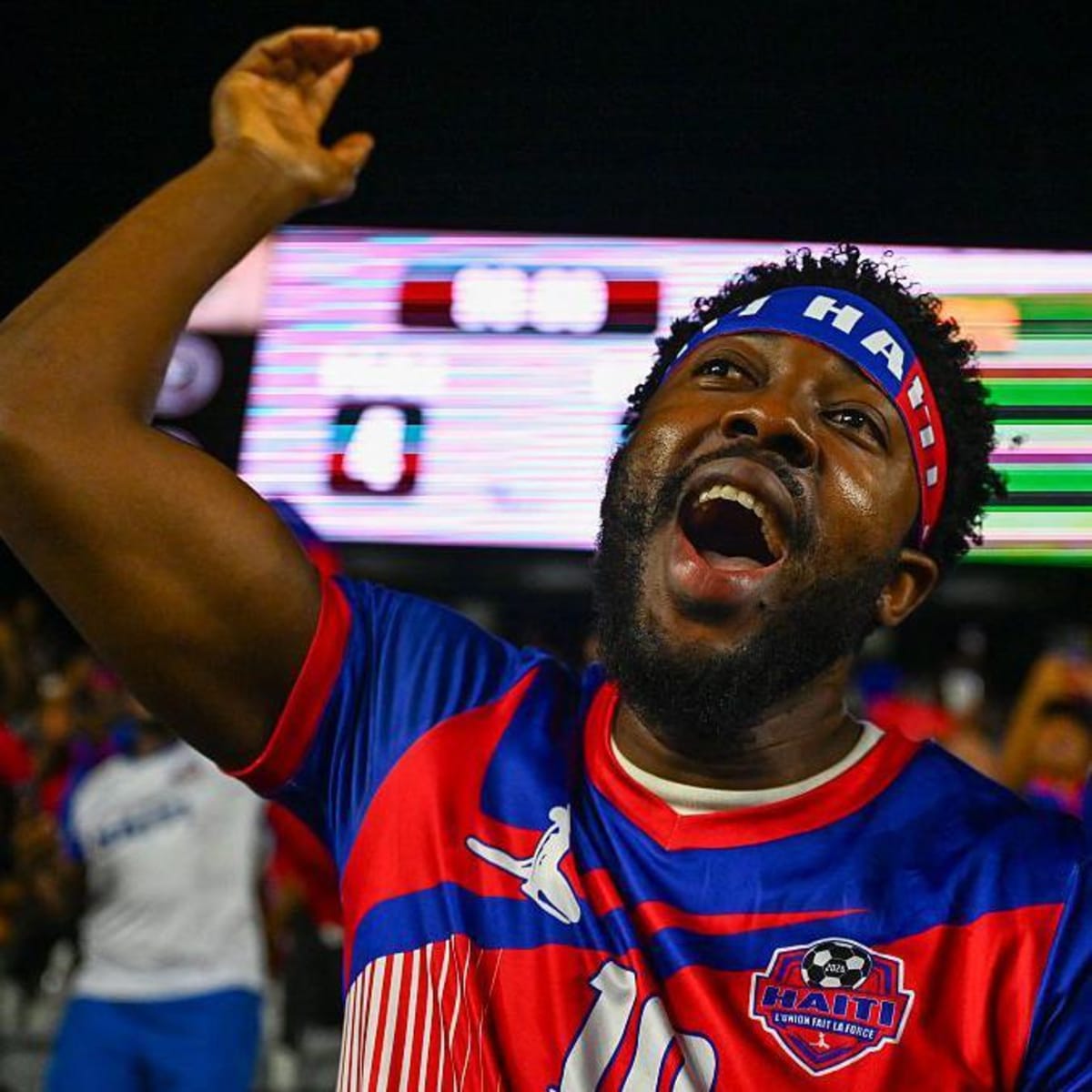
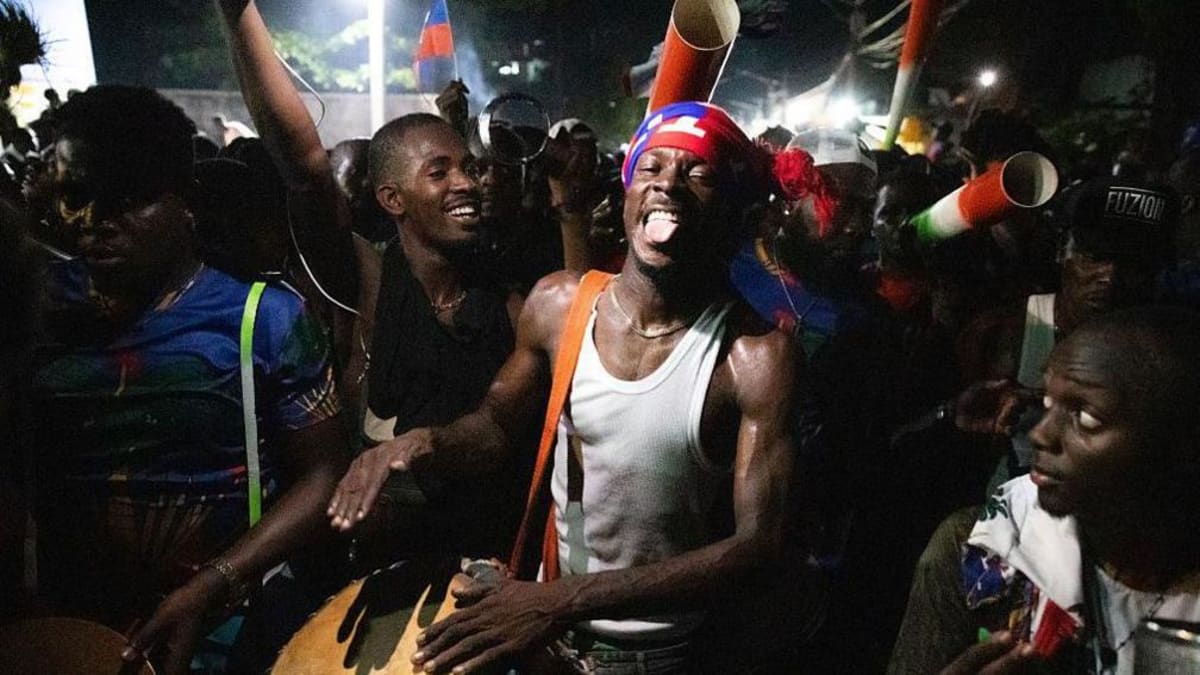
Yet this June, streets are being cleaned and Haitian flags hung with pride. Fans are finding creative ways to watch games despite chronic power outages. For the first time since 1974, they have their own team to cheer for at soccer's biggest stage.
The team itself reflects Haiti's scattered reality. Sixteen of 26 players were born abroad, representing 25 clubs from 15 countries. Their French coach, Sebastien Migne, has never even visited Haiti. Most players have never set foot on the island they represent.
But one player knows Haiti intimately. Woodensky Pierre, the team's only domestic player, grew up in the Cite Soleil slum and plays for Violette AC, whose championship final was delayed by gunfire just weeks ago. Coach Migne discovered him through online videos because he couldn't safely scout in person.
"I'm not only carrying the ball, I'm carrying the hopes where I come from," Woodensky says. For millions of Haitians, he proves talent can flourish even in the darkest places.
Star striker Duckens Nazon, born in France to Haitian parents, reminds his teammates what the jersey means. "We are the first independent black nation in the world," he tells them before matches. "When we put the shirt on, it's more than a normal game."
The Ripple Effect
The team's message reaches beyond soccer fields. Nazon hopes young Haitians see another path forward. "You're not obligated to take weapons or go with gangs," he says. "There are so many ways to get out of the struggle."
Defender Hannes Delcroix was adopted by a Belgian family at age two and only recently reconnected with his Haitian mother and sisters through phone calls. He's never met them in person, but he plays for them anyway.
Haiti faces Brazil in Group C, the same team whose 2004 visit brought those two precious days of peace. Haiti will likely lose again, but that's not what matters. In a nation where hesitation costs everything and hope feels impossible, these players prove something powerful: Haiti is not dead, and its people refuse to surrender their dreams.
More Images
Based on reporting by BBC Sport
This story was written by BrightWire based on verified news reports.
Spread the positivity!
Share this good news with someone who needs it