Hangzhou Shows How Tech and Nature Can Revitalize Farms
International journalists visiting rural China witnessed a remarkable fusion: ecological restoration bringing back 700 species while creating jobs, and tech labs developing exoskeletons that moved a reporter to tears. Hangzhou is proving innovation can serve both profit and people.
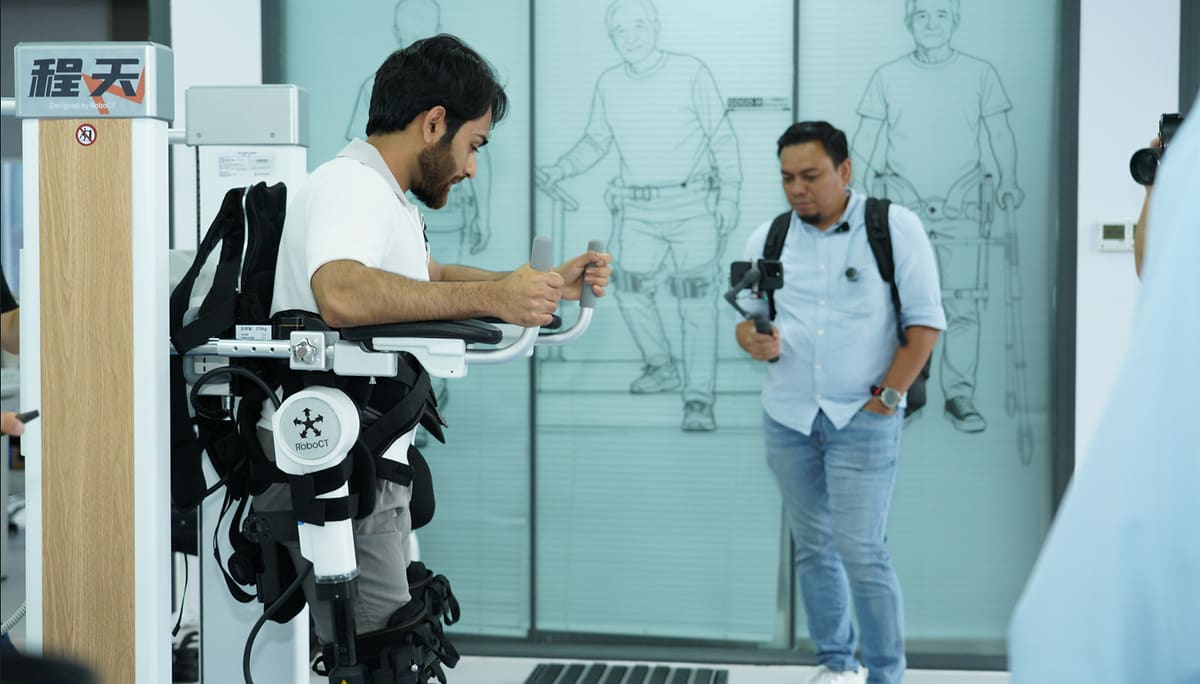
When Indonesian YouTuber Klara Tania Tandika held up a live chicken in a Chinese village livestream studio, her 23 million followers watched something unexpected: rural farmers using technology to transform their fortunes. Weeks later, an Azerbaijani journalist strapped on an exoskeleton in a Hangzhou tech lab and took her first assisted steps, tears streaming down her face as she imagined bringing this technology home to help disabled people in her country.
These powerful moments came from "Gateway to Opportunities," a month-long program where journalists and influencers from Indonesia, Turkey, Switzerland, South Korea, Pakistan, France, and Azerbaijan explored how one Chinese city is tackling global questions. Can businesses profit while uplifting communities? Can technology actually leave the lab and reach people who need it?
In the bamboo forests of Siwu Nature Park, Korean YouTuber Kim Seojun planned to shoot a fantasy-style video but found something better. After nearly 100 biodiversity surveys, over 700 plant and animal species have returned to forests once damaged by declining bamboo economies.
The restoration triggered unexpected benefits. Organic tea gained premium branding, nature education programs now run 200 times annually, and hiking tourism flourished. Villager Xu Hongfang, who works at the park, shared her pride: "When the ecology improves, more children come here to learn. What I'm doing feels truly meaningful."
Turkish journalist Tunç Akkoç walked between two forests: one with fallen bamboo and bare ground, another restoration site bursting with lush plants. He met farmer Shao Jianhua tending his organic vegetable plot beside the restored bamboo forest, explaining how healthier soil benefits everyone.
At Xiejing'an village, Swiss agricultural journalist Samuel Piotr Emch toured facilities transforming a former "weak village" into a national pilot site. Transfar Group built connected labs, greenhouses, and research centers starting in 2023. Young scientist Duan Gehong explained how public funding and integrated facilities help startup teams research crop resistance and breeding efficiency.
The village now works as a "connector" between laboratories and farmland, linking consumers with rural producers and companies with local communities. French host Manon Ruhlmann tasted new tomato varieties at picking bases while filming the development model for her audience.
THE RIPPLE EFFECT
This model demonstrates how ecological restoration and technology transfer can work together. The forests attract tourism and education revenue while supporting organic farming. Research facilities give scientists the space and funding to develop assistive technologies that can help disabled and elderly people worldwide. Villages gain meaningful employment, companies find sustainable profit models, and international visitors see replicable solutions for their own countries.
One city is showing the world that innovation doesn't have to abandon communities to serve progress.
More Images

Based on reporting by Google: robotics innovation
This story was written by BrightWire based on verified news reports.
Spread the positivity!
Share this good news with someone who needs it