Hangzhou Shows Tech and Ecology Can Lift Rural Communities
Indonesian YouTuber sells chickens via livestream while Azerbaijani journalist tests exoskeleton technology. Both moments reveal how one Chinese city is connecting innovation with rural opportunity.
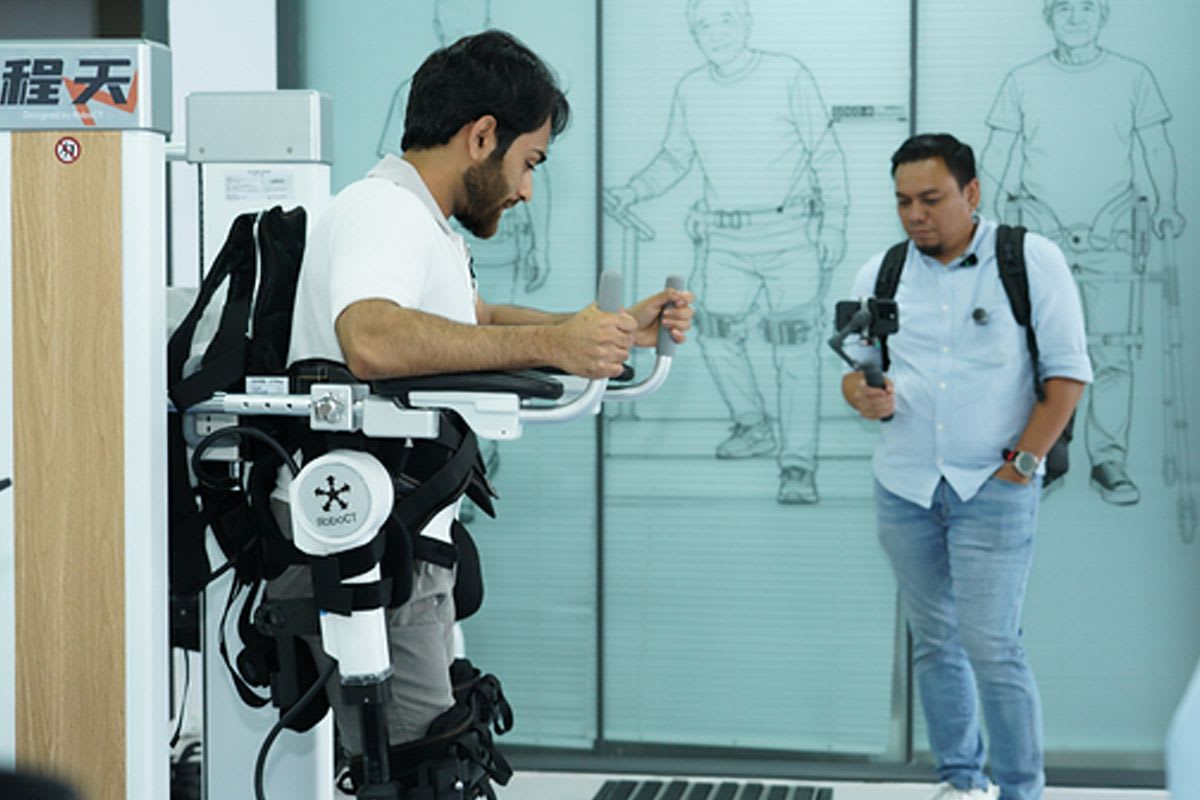
When Klara Tania Tandika held up a live chicken in a Tonglu village studio, her 23 million YouTube followers watched something remarkable: e-commerce helping farmers reach global markets. Weeks later in the same city, Azerbaijani editor Esmira Gasimova took her first assisted steps in an exoskeleton and started crying, thinking of elderly people back home who desperately need this technology.
These moments happened during "Gateway to Opportunities," a month-long program where international journalists explored Hangzhou, China. They came asking questions that matter everywhere: Can businesses profit while uplifting communities? Can technology actually reach people who need it most?
At Siwu Nature Park, reporters walked through bamboo forests being restored after ecological decline. Project director Liu Shenmin explained how bringing back native species sparked a chain reaction: organic tea sales grew, 200 nature education programs launched annually, and hiking tourism created new income streams for villagers.
Turkish journalist Tunç Akkoç stood before two contrasting scenes: fallen bamboo in an unrestored monoculture forest, then a thriving experimental site where countless plants had returned. Korean YouTuber Kim Seojun, who came planning to film a fantasy-style video, said the restoration story moved him more than any scenic shot could.
Local villagers Shao Jianhua and Xu Hongfang now work at the park. Shao gestured to his organic vegetable plot: "It's good for the soil, and healthy for people too." Xu added that seeing children come to learn makes the work feel truly meaningful.
Forty kilometers away, the Xiejing'an Agricultural Innovation Village caught Swiss journalist Samuel Piotr Emch's attention. This former "weak village" became a national pilot site by connecting research labs directly with farmland.
Young scientist Duan Gehong explained how the setup helps startup teams: "The lab, the fields, and the research greenhouses are fully connected. We received public funding support, which is especially important when you lack space and industry connections."
The innovation center works like a connector, linking laboratories with farmers, consumers with rural producers, and companies with local communities. French host Manon Ruhlmann tasted new tomato varieties at a picking base while Kim Seojun sampled local chili sauce, immediately asking villagers about their product development process.
The Ripple Effect
The international visitors saw how ecology and technology can work together to revive rural areas. Restored forests don't just bring back wildlife; they create nature education businesses and tourism jobs. Research centers don't just breed better crops; they give young scientists the resources to innovate while connecting them directly to farming communities.
The model shows what happens when innovation serves people first: farmers earn more through e-commerce, scientists get space to develop assistive technology, and ecosystems recover while creating new livelihoods.
Next year, the second phase of the Xiejing'an project will potentially welcome international companies, expanding opportunities even further.
Based on reporting by Google: robotics innovation
This story was written by BrightWire based on verified news reports.
Spread the positivity!
Share this good news with someone who needs it