Harvard 3D Prints Robot Muscles That Bend Like Ours
Scientists at Harvard have developed a breakthrough way to 3D print artificial muscles that twist, bend, and grip objects just like human muscles do. The innovation could transform everything from robotic surgery to adaptive devices that respond to their environment.
📺 Watch the full story above
Imagine a robot that moves so smoothly and naturally, you wouldn't even realize it was a machine. Harvard researchers just brought us significantly closer to that reality by 3D printing artificial muscles that behave remarkably like our own.
The team at Harvard's School of Engineering and Applied Sciences created a method to print muscle-like filaments that have movement programmed directly into the material itself. No bulky motors, no complex gears, just printed structures that bend, twist, and grip on command.
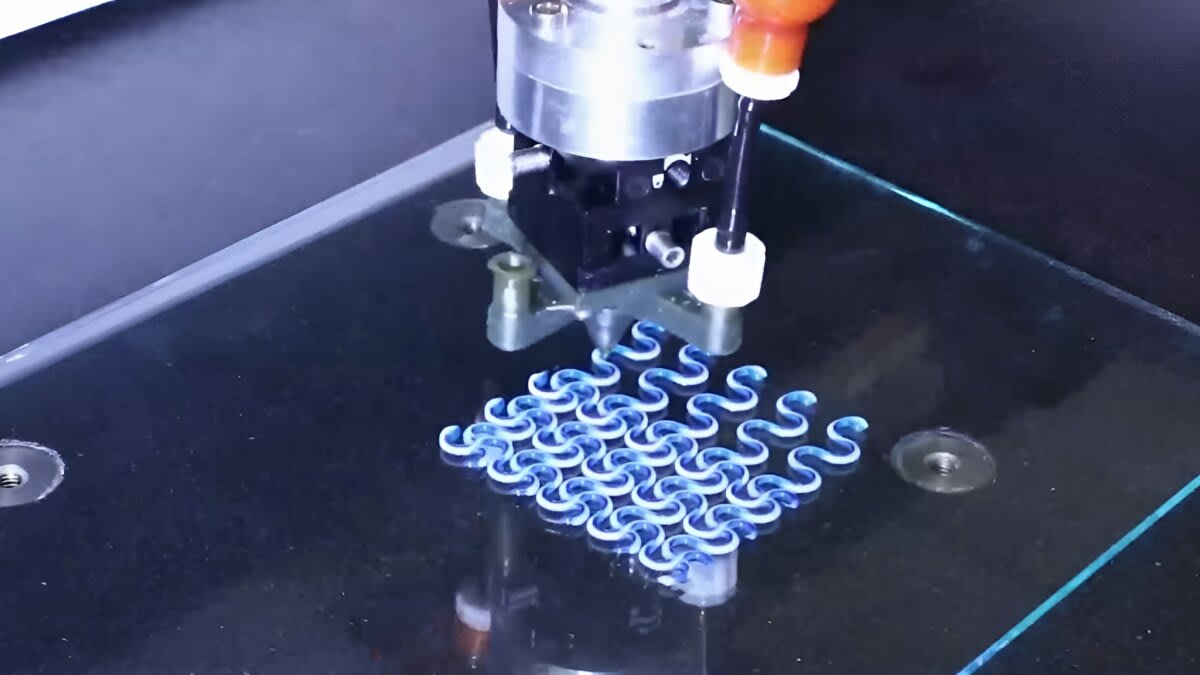
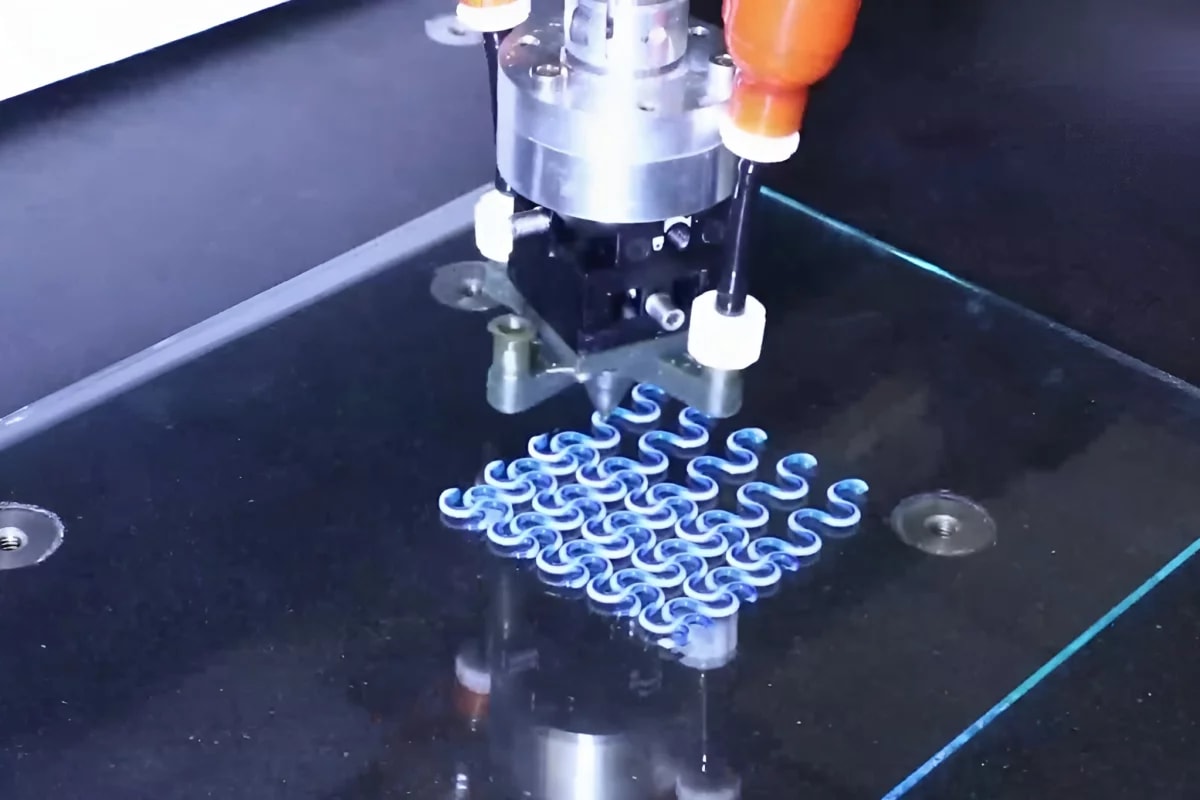
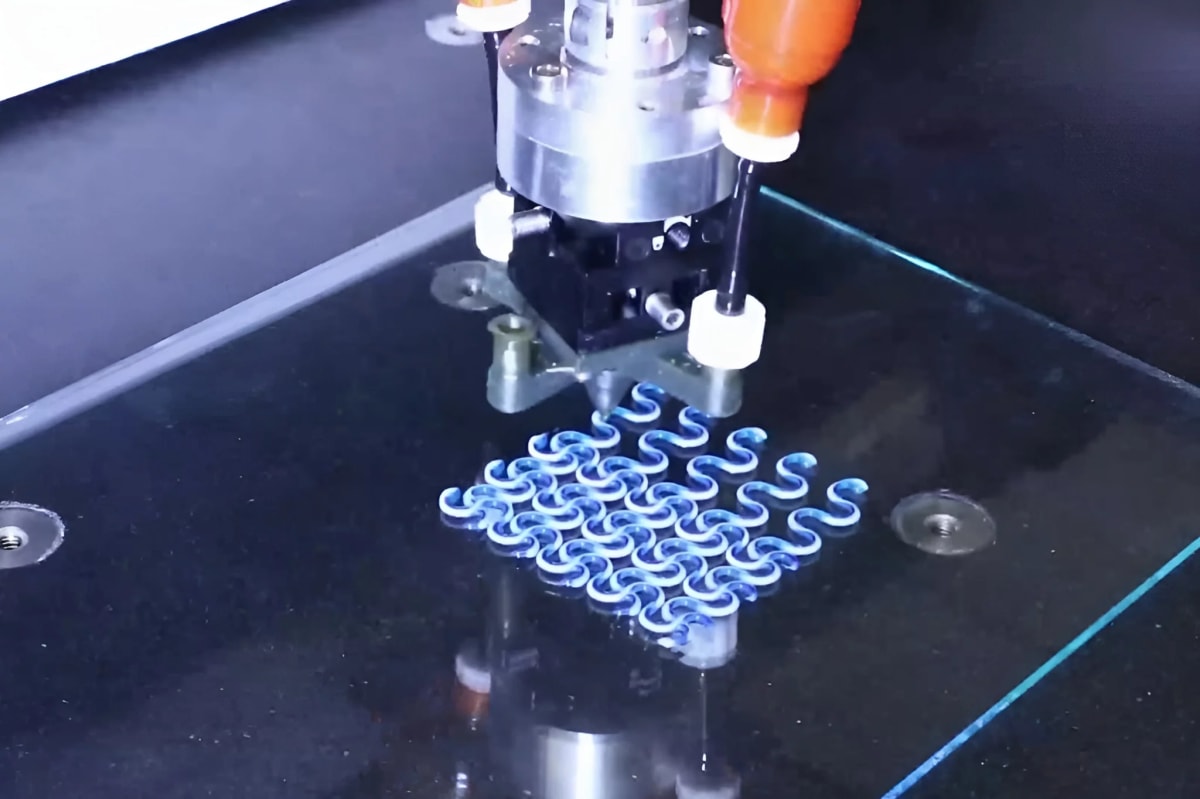
Here's how it works. The researchers print two materials side by side: an active liquid crystal elastomer that contracts when heated, and a passive material that resists that contraction. When the active material tries to shrink and the passive material holds firm, the filament bends, curls, or spirals in precisely controlled ways.
The real innovation is in the printing process. By rotating the nozzle while printing, the team can write specific molecular patterns directly into the structure. This means a single filament can be programmed to straighten, coil, expand, or contract depending on how its internal materials are arranged.
The demonstrations are impressive. Flat lattices transformed into dome shapes when heated. Soft grippers lowered onto objects, tightened around them, lifted them, and released them again. Some structures expanded under heat while others contracted, all without any traditional mechanical parts.
Traditional robot muscles have always involved tradeoffs. Pneumatic systems need bulky air compressors. Heat-sensitive metals require extremely high voltages. Cable-driven tendons are mechanically complex. Each solution works, but each comes with significant drawbacks that limit where and how they can be used.
This approach is different because the muscle and the mechanism are one and the same. The movement capability is built into the material during printing, opening possibilities for creating custom shapes and behaviors that would be nearly impossible with conventional actuators.
The Bright Side
This technology could reshape how we build adaptive devices. Researchers envision soft robotic grippers that handle delicate objects in warehouses or surgical tools that move with unprecedented precision inside the human body. Temperature-responsive structures could automatically adjust to environmental changes without any external control systems.
Because the process uses 3D printing, manufacturers could design highly customized solutions for specific tasks. A gripper for handling eggs would be programmed differently than one for lifting boxes, and both could be printed from the same base materials with just software changes.
The system still has challenges to overcome. It currently relies on heat for activation, which affects response times and energy efficiency. These experimental structures aren't yet powerful enough to replace traditional motors in heavy-duty applications. But as a proof of concept for programmable, printed muscles, it represents a significant leap forward.
The work demonstrates that the future of robotics might not be about making machines that look more human, but about making them move more human. That difference could change how robots interact with our world and with us.
More Images

Based on reporting by New Atlas
This story was written by BrightWire based on verified news reports.
Spread the positivity!
Share this good news with someone who needs it