Harvard AI Predicts Cancer Treatment Success 10% Better
A new AI model can predict which cancer patients will respond to immunotherapy with nearly 10% better accuracy than existing methods. If validated in trials, COMPASS could help doctors personalize treatment and spare patients from ineffective therapies.
Imagine receiving a cancer drug that works miracles for some patients but has no effect on you, wasting precious time while your disease progresses. Harvard Medical School researchers just developed an AI tool that could help doctors predict who will actually benefit from these powerful treatments.
The AI model, called COMPASS, analyzes tumor gene activity to forecast which patients will respond to immune checkpoint inhibitors. These drugs have transformed cancer care since 2011 by helping the immune system recognize and destroy cancer cells that would otherwise hide in plain sight.
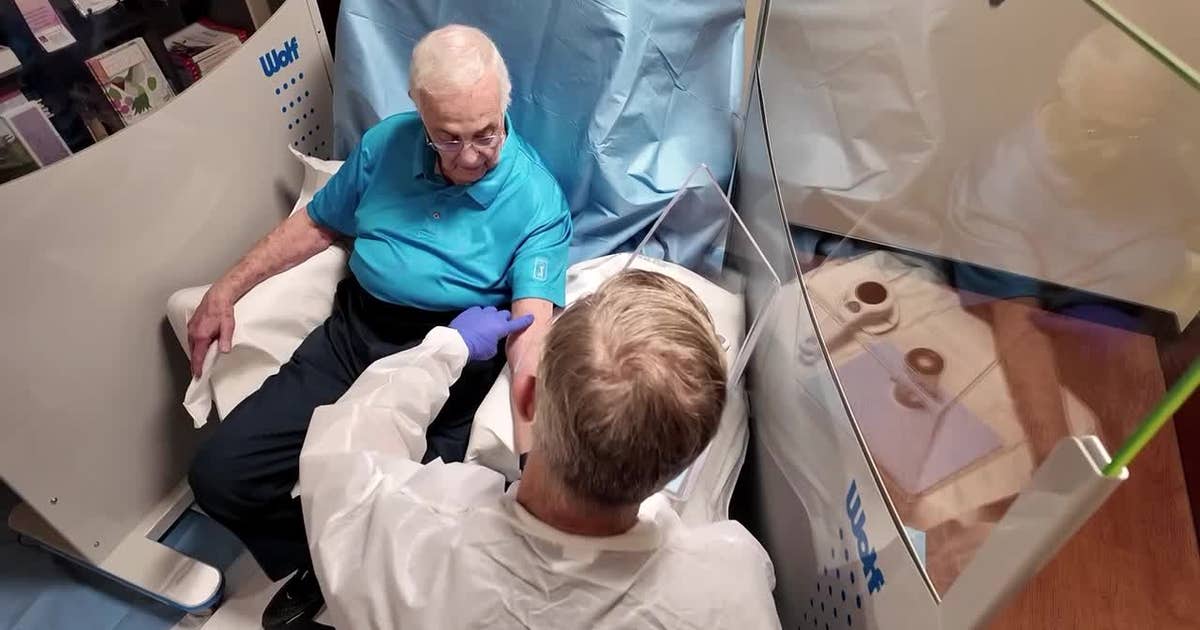
The catch? Only 10 to 40 percent of patients respond to these drugs, depending on their cancer type. The other 60 to 90 percent face side effects and lost time without any benefit. Former President Jimmy Carter survived nine years with stage IV melanoma partly thanks to one of these drugs, but his success story represents a frustratingly small fraction of patients who try them.
COMPASS changes the game by examining the activity of nearly 16,000 genes involved in immune response and tumor behavior. The researchers trained it using data from over 10,000 tumors across 33 cancer types, then fine-tuned it with results from 16 clinical trials testing different immunotherapy drugs.
When tested, COMPASS outperformed the best existing prediction methods by 8.5 percent. That improvement held steady across different cancer types, different drugs, and different testing conditions.
What makes COMPASS special is that it doesn't just deliver a yes-or-no answer. The model explains its reasoning, helping doctors understand why a particular patient might respond differently than expected. Some patients with immune-rich tumors still don't respond because their genes show processes that block immune activity. Others with seemingly quiet immune systems respond well because their genes reveal hidden immune pathways at work.
The Ripple Effect
Better predictions mean cancer patients could avoid months of ineffective treatment and jump straight to therapies more likely to work for them. Clinical trials for new cancer drugs could enroll participants more strategically, speeding up the development of breakthrough treatments. Researchers could use COMPASS insights to identify new drug targets, expanding the toolkit available to fight cancer.
The team now needs to validate COMPASS in prospective clinical trials where doctors use it to guide real treatment decisions. If those trials succeed, this AI could become a standard decision support tool in cancer clinics, helping oncologists match each patient with their best shot at beating the disease.
For the millions diagnosed with cancer each year, a 10 percent improvement in predicting treatment success isn't just a statistical bump—it's hope backed by science.
Based on reporting by Google News - Clinical Trial Success
This story was written by BrightWire based on verified news reports.
Spread the positivity!
Share this good news with someone who needs it