Harvard Dropout's AI Tool Helps 225 Police Departments
A former Harvard Law student built an AI assistant that gives police officers instant access to thousands of pages of regulations, helping them make better decisions in real time. The tool has already helped prevent a kidnapping and now serves 225 agencies across 25 states.
When David Lawrence watched an on-campus police shooting spark controversy at Harvard Law, he noticed something crucial: most policing errors happen when officers can't instantly recall the right rules from thousands of pages of regulations.
So he dropped out of law school to fix it.
Three years later, Lawrence's startup Blue Voice just emerged from stealth mode with $6 million in funding. His AI assistant now helps officers at 225 county agencies across 25 states access department policies instantly on their phones.
The problem was urgent. Officers facing split-second decisions had to either flip through 15,000-page manuals, wake supervisors at 3 a.m., or use generic AI tools that gave wrong answers up to 30% of the time. None of those options worked in the field.
Blue Voice changes that by training on each department's specific laws, local ordinances, and protocols that regular AI can't access. The tool answers one question every minute, always pointing officers to original regulations rather than just generating answers like ChatGPT would.
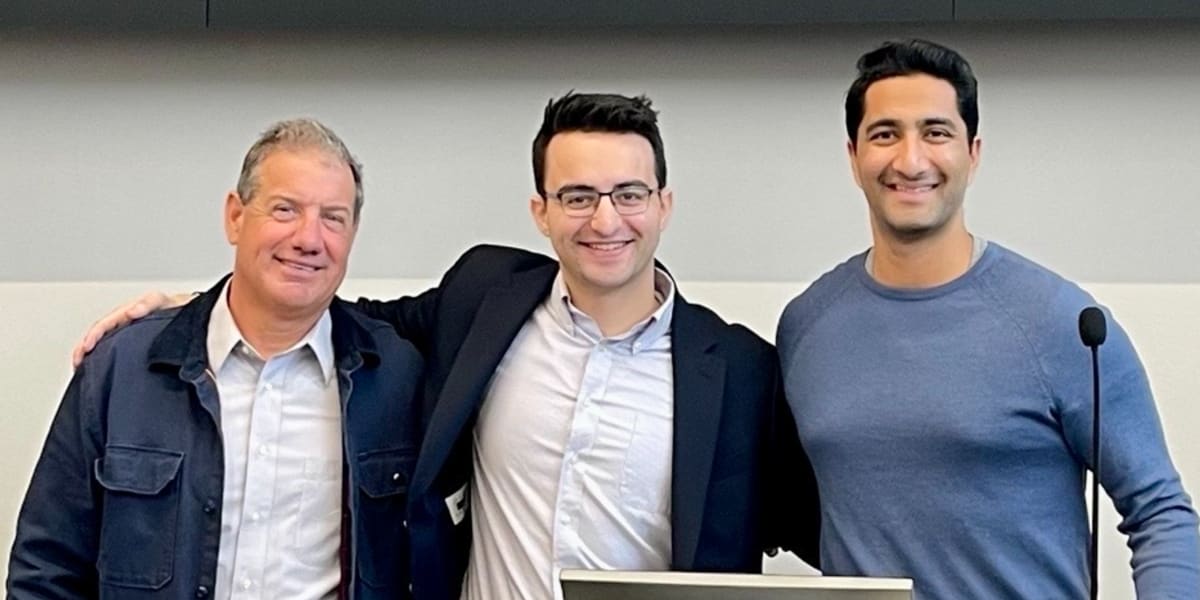
Lawrence teamed up with Amit Patankar, a former Google engineer with a Harvard MBA, and Michael Gropman, a retired Boston police deputy chief. Together, they built something officers actually trust because it gives them information, not orders.
The Ripple Effect
The impact shows up in real emergencies. A rookie officer recently spotted a man pressuring a young girl to enter his vehicle. Unsure if he could legally intervene, he checked Blue Voice on his phone. The app instantly confirmed the situation met legal criteria for "child enticement," giving him authority to act and prevent a potential kidnapping.
In another case, Blue Voice reminded a department chief he couldn't return an officer to duty after a shooting without a third-party mental health evaluation. The tool catches critical steps that could otherwise get missed under pressure.
The platform also gives officers instant access to detailed school maps during active-shooter emergencies. Departments grew their use of Blue Voice elevenfold last year because they're seeing concrete results: reduced crime and fewer operational controversies.
At a time when police use of AI draws growing criticism, Lawrence sees Blue Voice as proof that the technology can improve public safety without sacrificing civil rights. The tool doesn't make decisions for officers. It just makes sure they have the right information when seconds count.
Lawrence, who previously worked for Connecticut Governor Ned Lamont, has zero regrets about leaving Harvard behind: "This is the best thing I could do with my career and the most impact I could potentially make."
More Images


Based on reporting by TechCrunch
This story was written by BrightWire based on verified news reports.
Spread the positivity!
Share this good news with someone who needs it