Harvard Finds New Clue to Malaria Drug Resistance
Scientists at Harvard have discovered how malaria parasites outsmart one of our best treatments, a breakthrough that could help save the lives of millions. The finding reveals a survival trick the deadly parasite uses to dodge artemisinin, the drug that's kept malaria deaths from climbing even higher.
Scientists just cracked another piece of the puzzle in why malaria keeps finding ways to survive our best treatments.
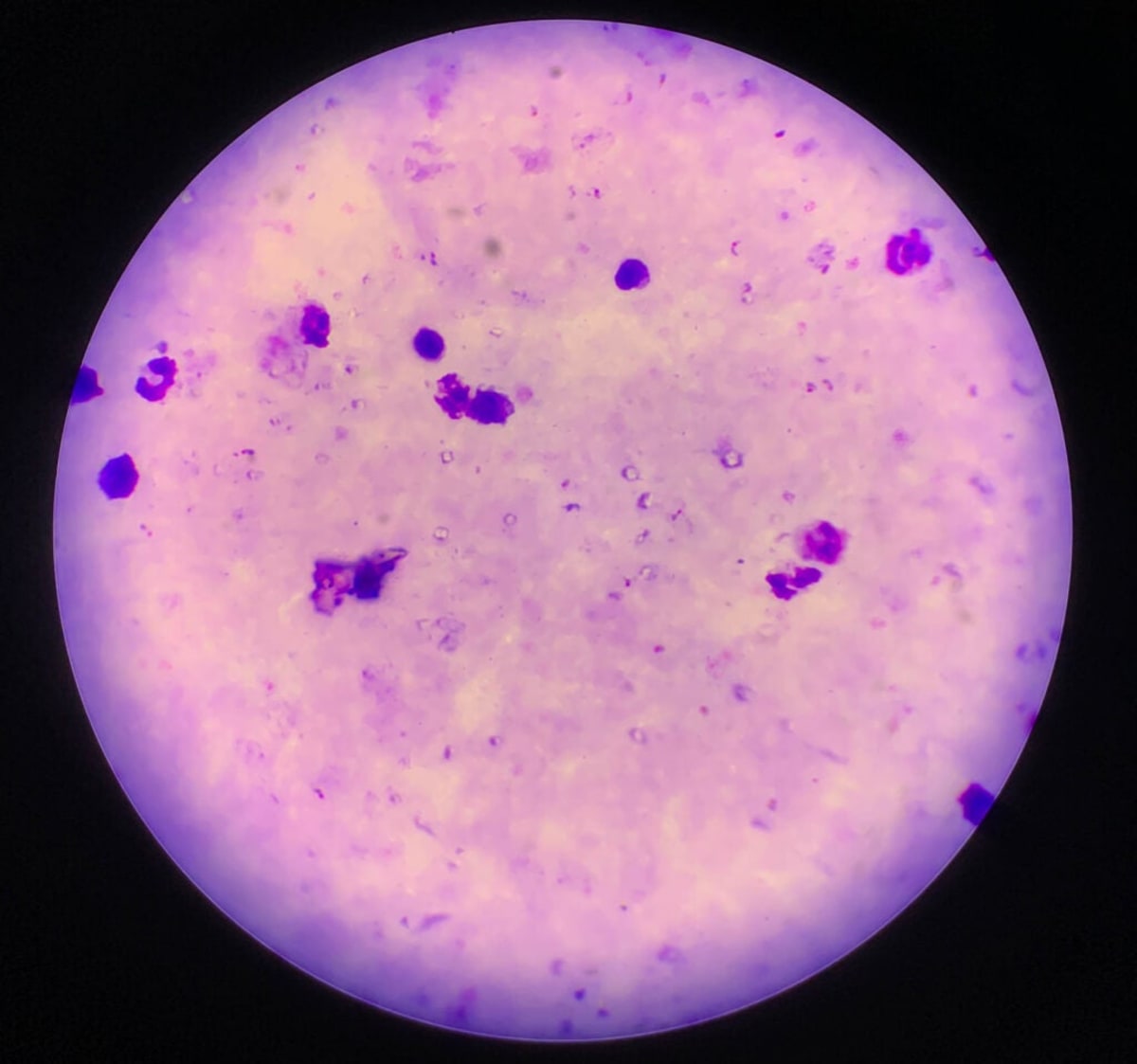
Researchers at Harvard T.H. Chan School of Public Health have identified a new mechanism that helps the world's deadliest malaria parasite resist artemisinin, the cornerstone drug used to treat the disease. Their study, published in Nature Communications, reveals how mutations in a protein called PfCoronin give the Plasmodium falciparum parasite a clever way to dodge death.
Here's how the parasite pulls off its survival trick. Normally, as it grows inside a human red blood cell, the parasite consumes hemoglobin. When hemoglobin breaks down, it releases a molecule called heme, which activates artemisinin to kill the parasite.
But the Harvard team, led by research associate Imran Ullah and Professor Dyann Wirth, discovered that PfCoronin mutations reduce how much hemoglobin very young parasites take in. Less hemoglobin means less heme, which weakens artemisinin's killing power and lets more parasites survive.
This discovery mirrors earlier findings about another protein, PfKelch13, which also helps parasites resist treatment by limiting hemoglobin uptake. The two proteins don't work together directly, but both can sabotage artemisinin during early infection.
Why This Inspires
This research offers something precious in the fight against malaria: knowledge. Understanding exactly how parasites develop resistance means scientists can stay one step ahead, designing new treatments and monitoring strategies before resistance spreads widely.
The findings also highlight why field surveillance matters so much. By tracking PfCoronin mutations in real malaria cases, health workers can spot resistance patterns early and adjust treatment strategies to keep people safe.
Artemisinin-based combination therapies remain the World Health Organization's recommended first-line treatment for malaria, protecting millions of lives each year. Every insight into how parasites adapt brings us closer to outsmarting them for good, keeping this life-saving tool effective for communities that need it most.
The research team emphasizes that ongoing surveillance and mechanistic studies will be essential for staying ahead of evolving drug resistance and ultimately controlling malaria worldwide.
More Images


Based on reporting by Google News - Researchers Find
This story was written by BrightWire based on verified news reports.
Spread the positivity!
Share this good news with someone who needs it