Hawaii Fishermen Paid to Pull 84 Tons of Nets from Ocean
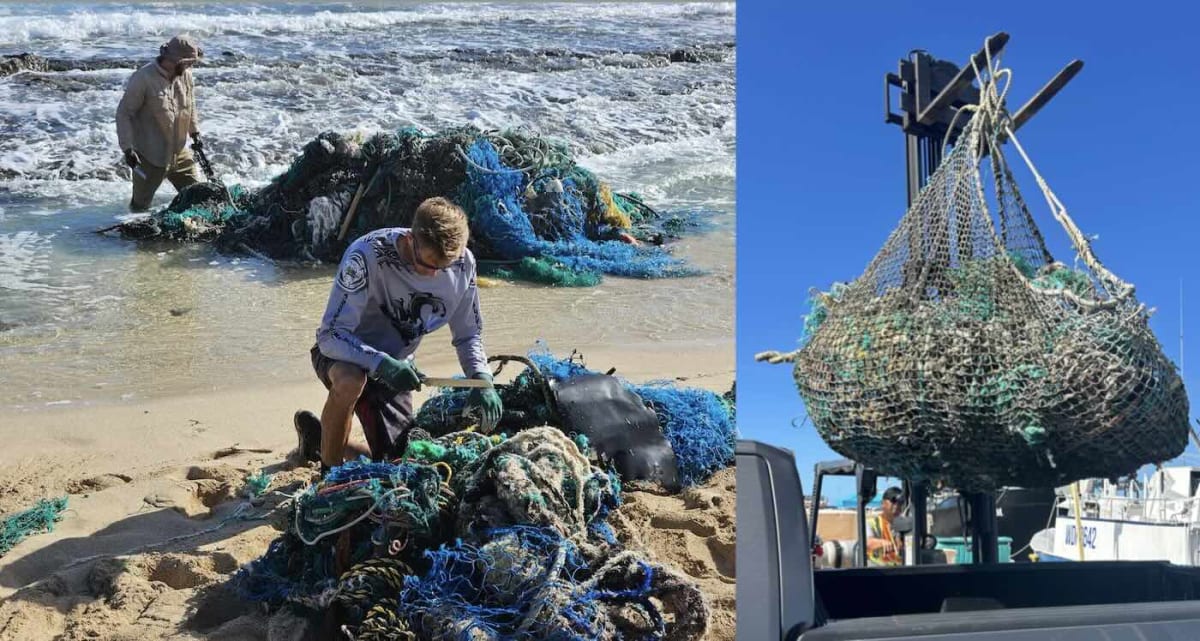
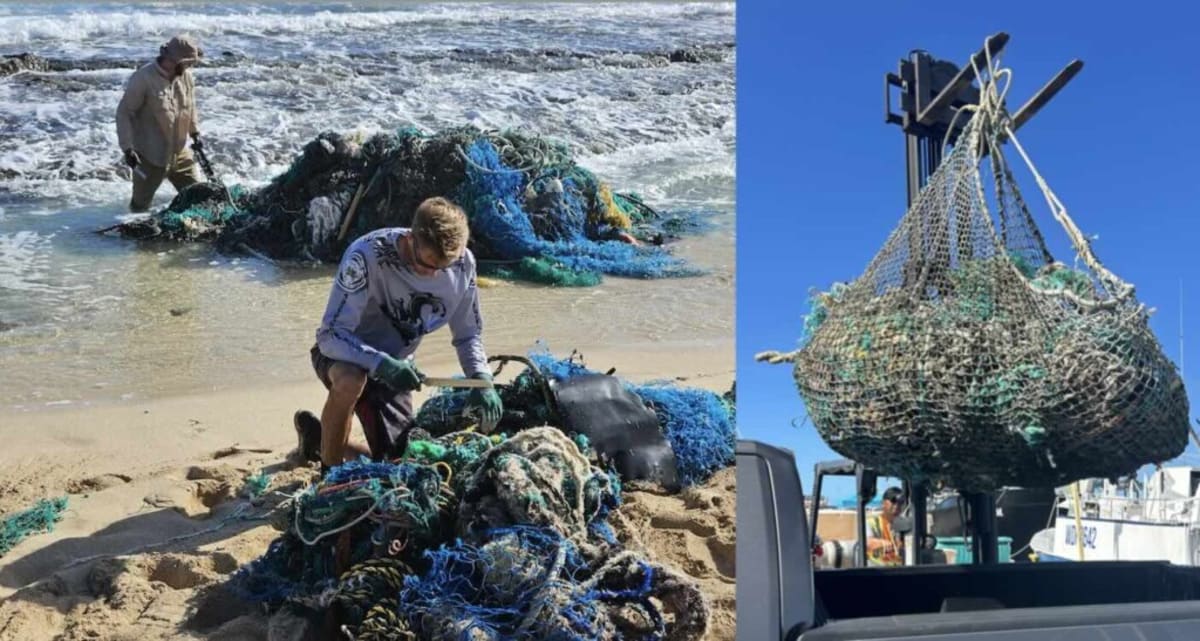
Commercial fishermen in Hawaii have hauled 185,000 pounds of abandoned fishing gear from the Pacific Ocean in just over three years, getting paid to clean up while they work. The innovative program turns routine fishing trips into ocean rescue missions, preventing deadly ghost nets from strangling marine life and destroying coral reefs.
What if the people already on the ocean every day could become its cleanup crew, earning extra income while saving sea turtles and coral reefs from deadly abandoned nets?
That's exactly what's happening in Hawaii. Since November 2022, Hawaii Pacific University's Bounty Project has removed 84 metric tons of derelict fishing gear from the North Pacific by paying commercial fishermen to grab ghost nets during their regular trips.
The concept is beautifully simple. Instead of waiting for abandoned nets and lines to drift into reefs or wrap around endangered wildlife, the university partnered with the Hawaii Longline Association to put fishermen at the center of the solution. When they spot ghost gear, they pull it aboard and get compensated for the effort.
Seventy-seven commercial fishermen have made more than 690 ghost gear recoveries so far. They removed debris within 12 hours of spotting it 88% of the time, preventing nets from repeatedly dragging across and destroying sensitive coral habitats.
"The financial reward has created friendly competition and results in a very rapid response to get the nets off of reefs to give the corals a fighting chance of survival," said Hank Lynch, a participating fisherman. When nets are too large for one boat, fishermen call for backup and split the reward.
The program is one of only three known efforts removing debris from the distant North Pacific Garbage Patch. It's funded through NOAA's Marine Debris Program with matching funds from Ocean Conservancy.
The Ripple Effect
The recovered gear isn't just pulled from the ocean and tossed in a landfill. More than 2,300 pounds have been shredded and recycled into an experimental pavement project in Ewa Beach called "Nets-to-Roads." The Hawaii Department of Transportation is testing whether old fishing nets can literally help pave the way to a cleaner future.
The program also includes monthly surveillance of sensitive reef habitats like Kaneohe Bay, supporting rapid response where ghost gear poses immediate danger. Fishermen have become ocean stewards, diversifying their income while maintaining their vessels and protecting the waters they depend on.
"It is incredible that we are now approaching 200,000 pounds of gear removed from the ocean through this project," says project manager Katie Stevens. "It has been great to see the enthusiasm and engagement of the commercial fishers as stewards of the ocean environment."
The university's Center for Marine Debris Research is now seeking additional support to expand the program, strengthen rapid-response capabilities, and develop prevention solutions to keep ghost gear from entering the ocean in the first place.
When you align economic incentives with environmental protection, everybody wins.
More Images
Based on reporting by Good News Network
This story was written by BrightWire based on verified news reports.
Spread the positivity!
Share this good news with someone who needs it