Hawaii Gets $1M Clean Energy Research Facility
The University of Hawaii just landed a $1 million federal grant to build America's first facility of its kind, one that could crack the code on producing cleaner fuels. The breakthrough center will use cutting-edge lasers to solve chemical mysteries that have stumped scientists for decades. ##
Scientists in Hawaii are about to unlock secrets that could transform how we make cleaner energy, thanks to a $1 million boost from the federal government.
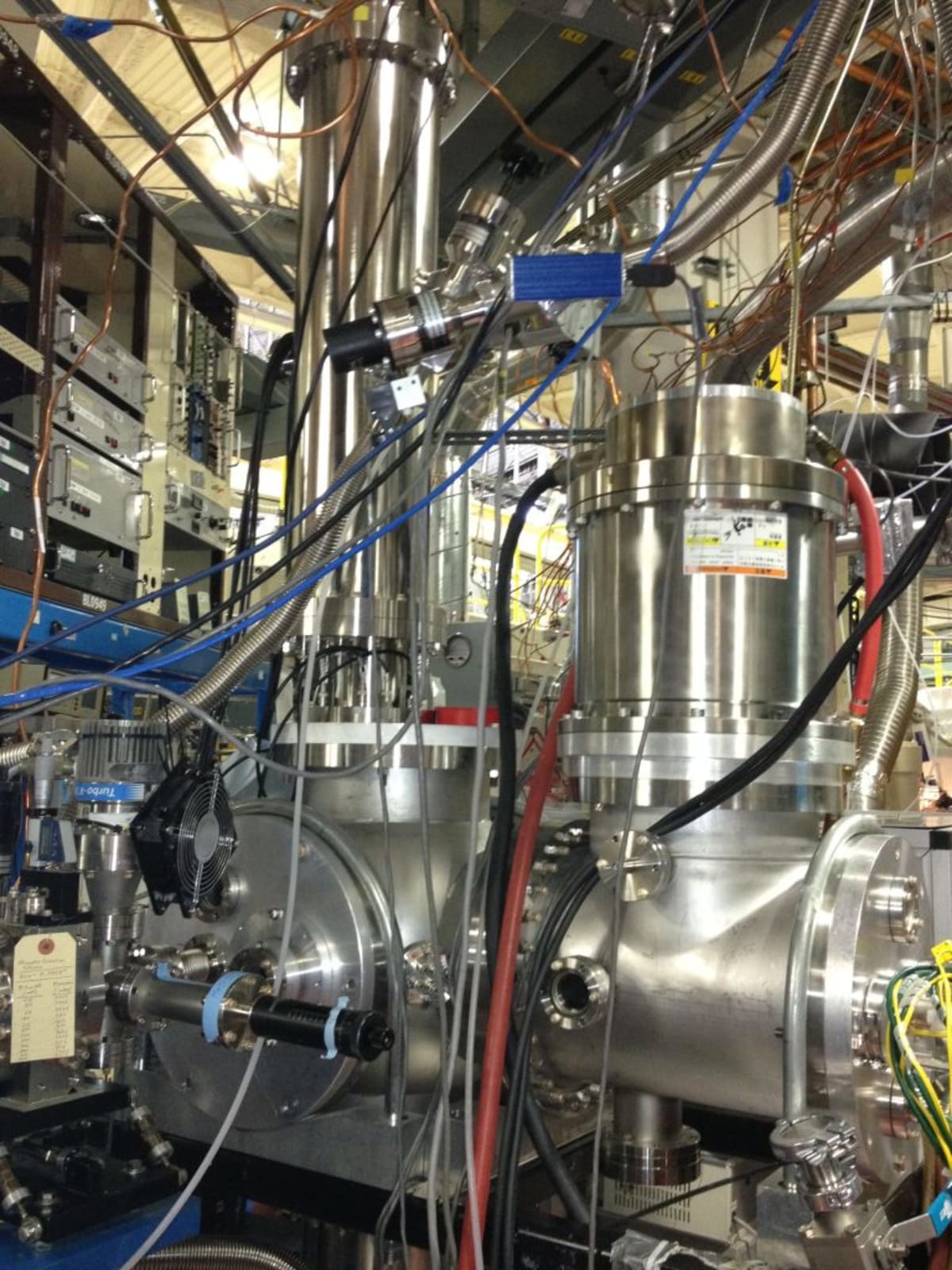
The University of Hawaii at Mānoa will use the grant from the U.S. Department of Energy to build the Tunable Photoionization Chemical Dynamics Facility. It's the first research center of its kind in America, bringing together powerful laser technology and advanced chemistry tools under one roof.
The facility will help researchers answer a question that's been puzzling scientists: How does hydrogen break apart the strong bonds between carbon and sulfur in petroleum fuels? Understanding this chemical process could be the key to producing much cleaner fuel and reducing pollution from energy production.
Professor Ralf I. Kaiser, who leads the chemistry department's research team, says the new center will let scientists ask questions that were nearly impossible to answer before. The facility uses tunable high-power lasers to study molecules with incredible precision, watching chemical reactions happen at the molecular level.
The first major project will study how different metals like titanium, aluminum, and boron interact with sulfur compounds. The team will combine hands-on lab experiments with computer simulations and machine learning to understand not just if these chemical bonds break, but exactly why and how they break.
The Ripple Effect
This facility won't just advance clean energy science. It's creating a training ground for the next generation of researchers who will tackle climate challenges.
Undergraduate students, graduate researchers, and postdoctoral scientists will get hands-on experience with cutting-edge technology like molecular beam science, chemical microreactors, and laser-based experiments. They'll learn skills that barely exist in today's workforce but will be essential for tomorrow's energy breakthroughs.
The university is partnering with the Department of Energy's Ames National Laboratory in Iowa to develop the facility. Together, they're building both the scientific instruments and training the people who will use them to make future discoveries.
Kaiser points out that building the experimental capability first opens doors to discoveries nobody has even thought to pursue yet. Once the tools exist, scientists can explore questions they couldn't dream of asking before.
The facility represents a major expansion of Hawaii's scientific infrastructure, positioning the island state as a leader in advanced energy research while creating opportunities for local students to work on world-changing science without leaving home.
##
Based on reporting by Google News - Clean Energy
This story was written by BrightWire based on verified news reports.
Spread the positivity!
Share this good news with someone who needs it