Hawaii Law School Celebrates 50 Classes Since 1973 Founding
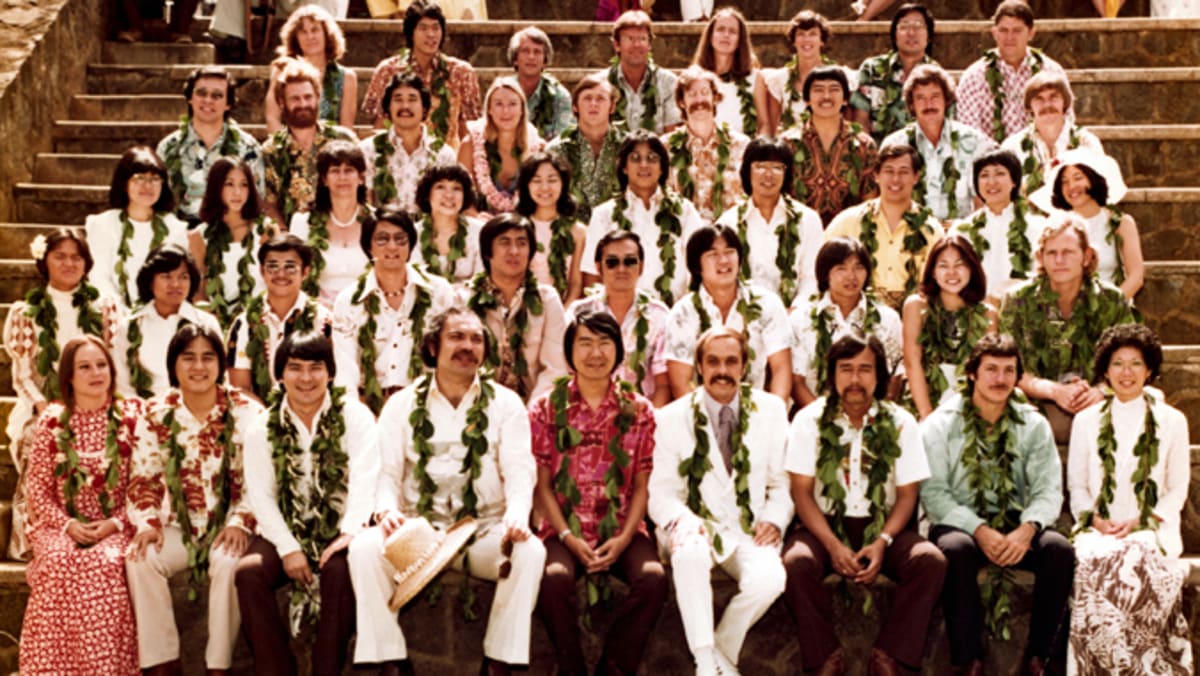
The University of Hawaii's Richardson School of Law is graduating its 50th class this month, marking five decades since its first 53 students learned in wooden buildings without proper textbooks. That pioneering class, which included a future governor, transformed legal education in Hawaii and proved locals no longer needed to leave the islands to become lawyers.
Fifty years ago, 53 law students sat in old wooden buildings at the University of Hawaii, learning from photocopied pages because they had no textbooks. This month, the William S. Richardson School of Law will graduate its 50th class, celebrating how those first trailblazers turned an experiment into a cornerstone of Hawaii's legal system.
Before 1973, Hawaii had no law school. Anyone wanting to become a lawyer had to fly to the mainland United States, making legal careers financially impossible for many island residents.
Chief Justice William S. Richardson championed the school's creation with a clear mission: train lawyers who understood Hawaii's unique communities and could serve the state's government with independence. He told that first class in 1973 they represented "no less than the realization of a dream."
The inaugural students made it work despite having almost nothing. Alumni recall using card catalogs for research and studying from "photocopied tomes" in an era decades before digital databases existed.
"We started with nothing," said alumnus Allen Hoe. "We had no textbooks and everything we did or had was provided via Xerox."
The analog environment created something unexpected: deep cooperation instead of cutthroat competition. Without resources, students had to help each other succeed, building a culture of mutual support that became the school's signature over five decades.
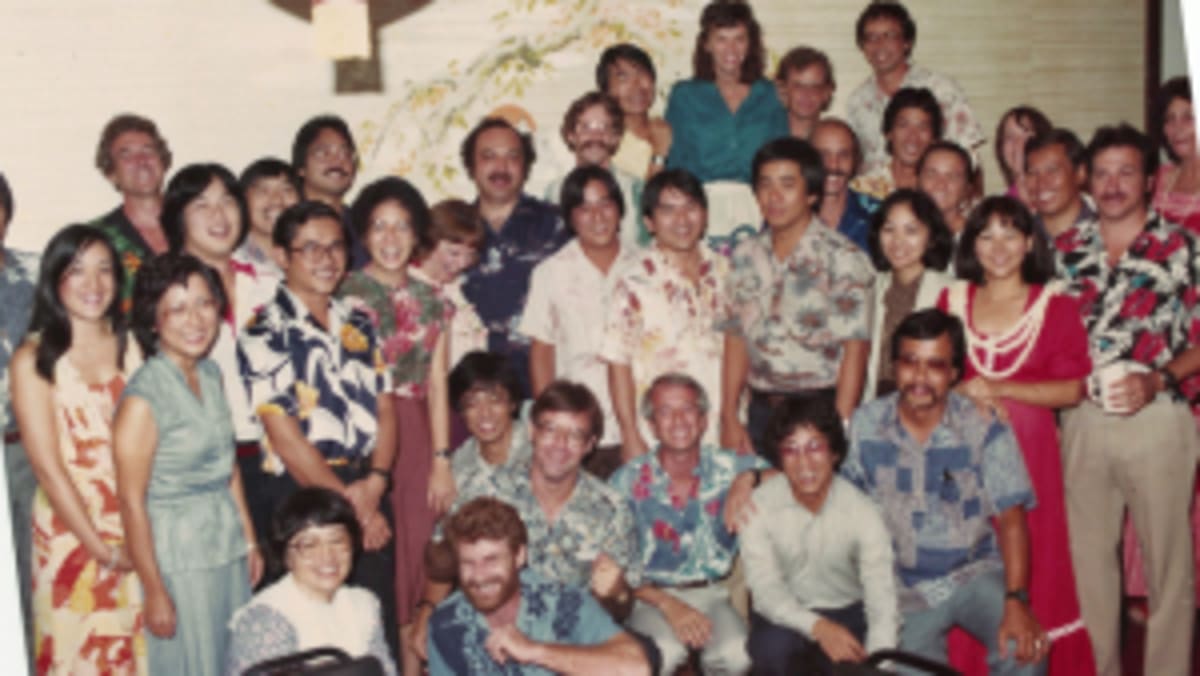
That first class, which graduated in 1976, included John D. Waihee, who later became Hawaii's governor. Graduates went on to reshape environmental law in the islands and establish the Ka Huli Ao Center for Excellence in Native Hawaiian Law, making the school a leader in indigenous legal education.
The Ripple Effect
The school didn't just give Hawaii residents access to legal education. It fundamentally changed who could become a lawyer in the state, opening the profession to people who couldn't afford mainland tuition and travel costs.
Five decades of graduates have filled courtrooms, government offices, and nonprofit organizations across the islands. The school produces lawyers who stay in Hawaii and understand its communities, from Native Hawaiian rights to environmental protection in fragile island ecosystems.
The culture of cooperation that necessity forced on that first class still defines Richardson graduates today. Students learn that serving their community matters more than individual glory, a value that Chief Justice Richardson hoped would take root.
As the 50th class prepares to graduate on May 17, they join a legacy built by 53 students who proved that Hawaii could train its own lawyers, and train them well.
More Images
Based on reporting by Google News - Education Milestone
This story was written by BrightWire based on verified news reports.
Spread the positivity!
Share this good news with someone who needs it