Hawaii Plans 100% Clean Energy by 2045
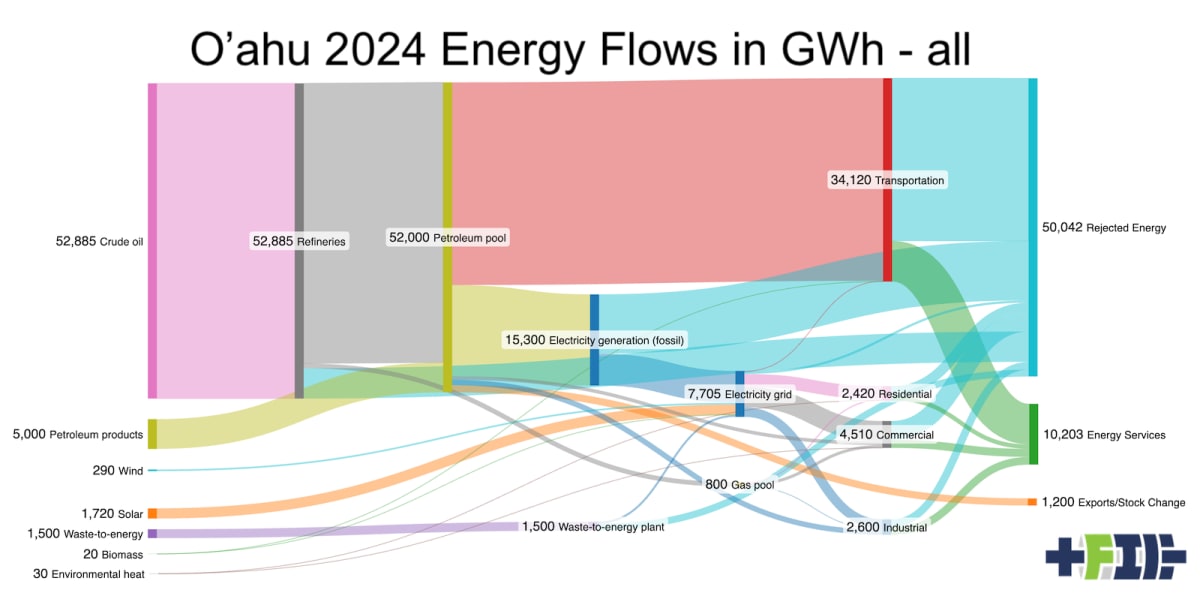
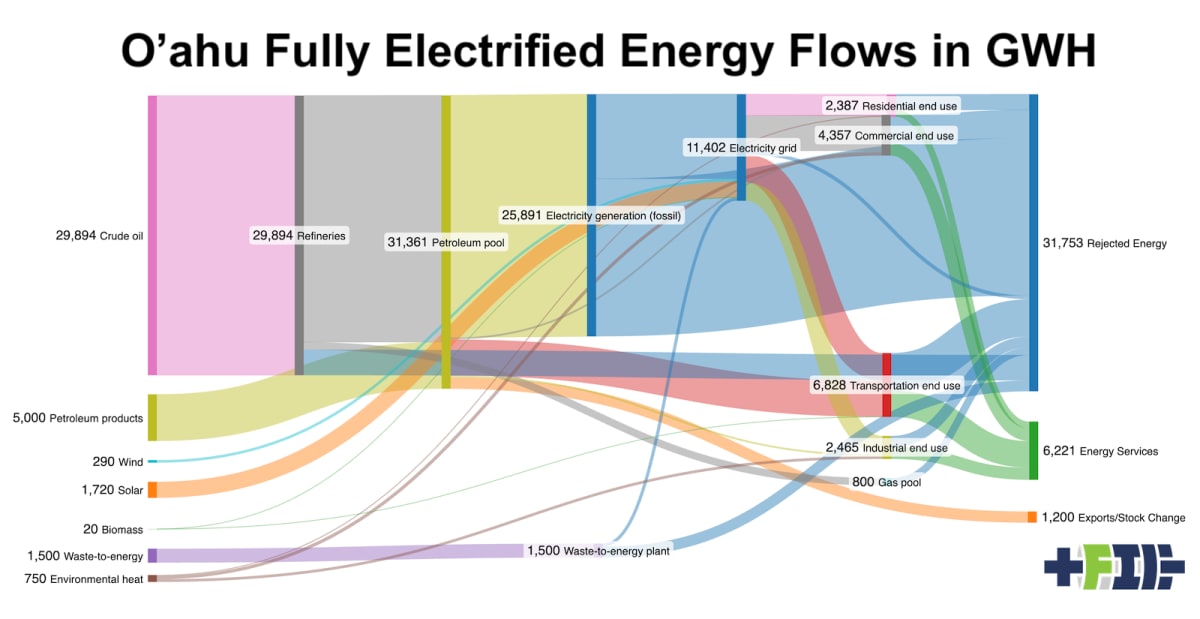
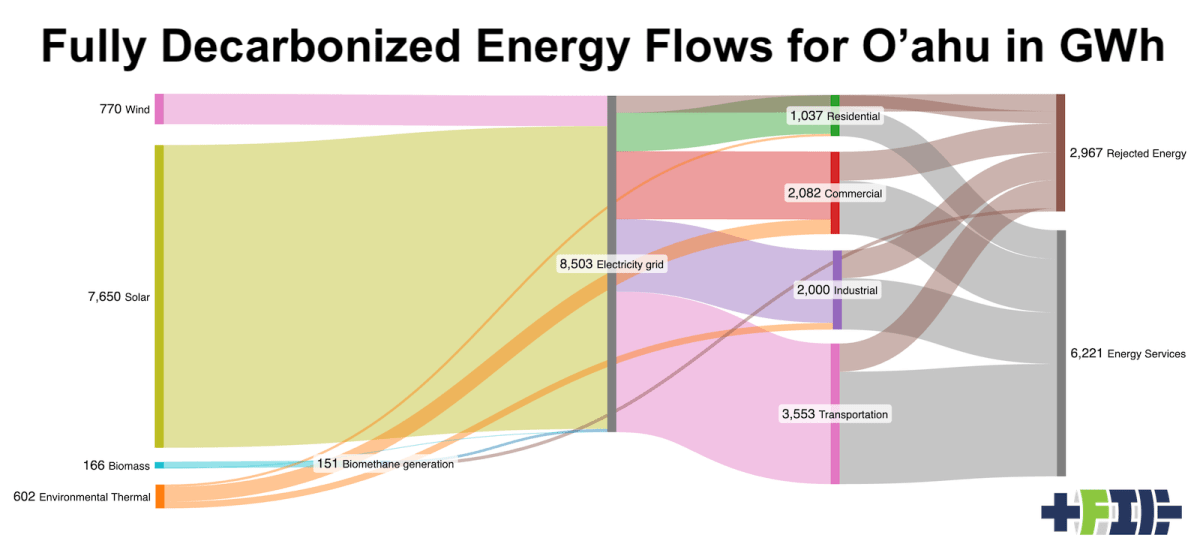
The island of Oʻahu just released an ambitious roadmap to eliminate all carbon emissions from its energy system in the next two decades. If successful, it could become a blueprint for island communities worldwide struggling with oil dependence.
📺 Watch the full story above
Oʻahu, home to nearly a million people and Hawaii's most densely populated island, has mapped out a concrete plan to run entirely on clean energy by 2045.
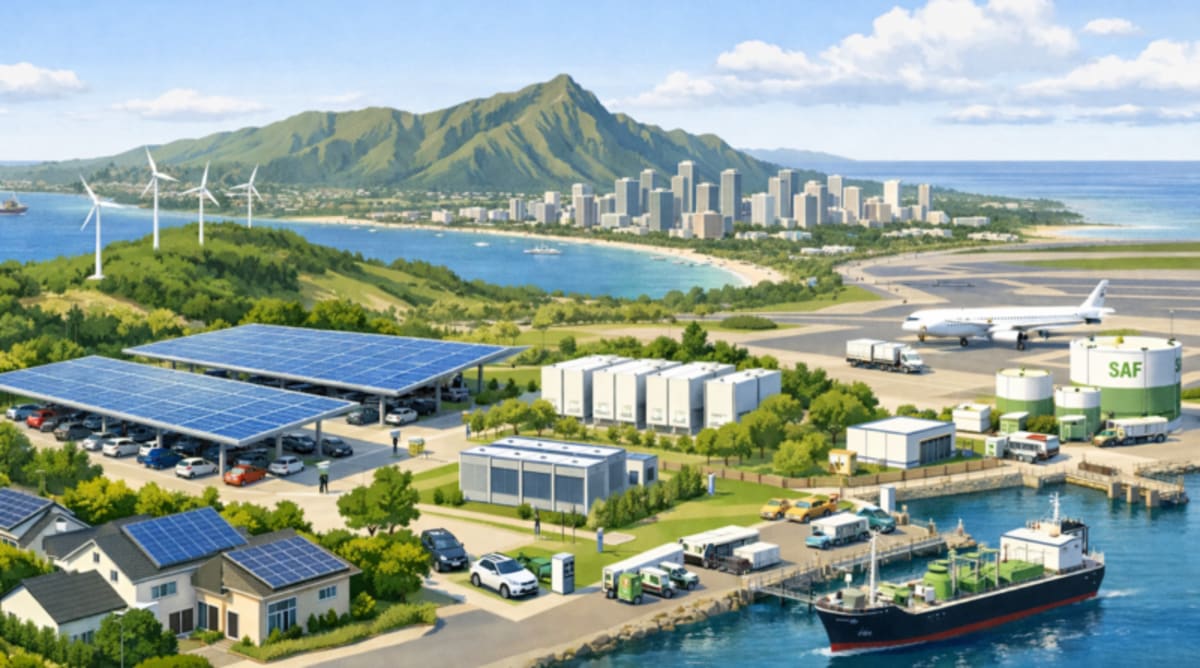
The comprehensive roadmap tackles everything from electricity to transportation in three distinct phases. It's not just wishful thinking. The plan builds on Hawaii's existing law requiring 100% renewable electricity by 2045 and includes specific actions for each decade.
The first phase through 2030 focuses on quick wins that cut costs and reduce oil dependence immediately. Rooftop solar will get faster approval processes, and time-of-use pricing will help balance electricity demand throughout the day. The state is also fast-tracking solar installations on parking structures, brownfields, and existing wind sites to avoid environmental conflicts.
The plan explicitly rejects new natural gas infrastructure, a significant shift from earlier proposals. Instead, Oʻahu will lean heavily on solar power, batteries, and clean fuels for remaining needs.
The 2030s represent the scale-up decade. During these years, the island aims to eliminate oil-fired power plants entirely and transition to essentially zero-carbon domestic electricity. Electric vehicles, heat pumps, and electrified public transit will replace fossil fuel systems across the transportation and building sectors.
The final phase in the 2040s completes the harder transitions. This includes switching remaining long-haul boats and aircraft to sustainable biofuels and replacing first-generation renewable equipment as it ages.
The Ripple Effect
Success on Oʻahu carries weight far beyond Hawaii. Islands worldwide face similar challenges: high energy costs, oil dependence, and limited space for renewable projects. Many import nearly all their fuel at enormous expense.
The roadmap's creator emphasized this is a thought exercise meant to spark discussion, not a rigid prescription. Hawaiian communities will ultimately decide which elements to pursue and how to adapt them to local needs and values.
What makes this plan credible is its acknowledgment of difficulty. Oʻahu is Hawaii's hardest island to decarbonize because of its population density and limited options. Solving it here means the other islands become comparatively easier with similar solutions.
The immediate actions matter most because they save money and reduce emissions even if later phases slip. Every rooftop solar panel installed and every electric bus added to the fleet moves the island forward, regardless of what happens in 2040.
If Oʻahu pulls this off, it won't just transform Hawaii's energy future. It will prove that dense island communities can escape fossil fuel dependence entirely, offering hope and a practical roadmap to hundreds of similar places worldwide.
More Images
Based on reporting by CleanTechnica
This story was written by BrightWire based on verified news reports.
Spread the positivity!
Share this good news with someone who needs it