Hawaii Turns Waste Into Power Reserve for Clean Grid
Oahu is planning to transform sewage, food scraps, and landfill waste into biomethane fuel that keeps lights on during rare cloudy days when solar and wind power dip. The island's path to 100% clean energy just got smarter and more circular. #
📺 Watch the full story above
Hawaii is solving two problems at once by turning its trash into treasure and reliable backup power.
As Oahu races toward a fully electric grid powered by sunshine and ocean breezes, engineers discovered they need a small safety net for those rare stretches when clouds linger and winds calm. Instead of building expensive battery reserves or keeping diesel generators humming, the island found its answer in an unexpected place: its own waste streams.
Biomethane production captures methane gas that naturally bubbles up from sewage treatment plants, decomposing landfills, and food waste. Instead of letting that gas escape into the atmosphere or burning it off, Oahu can clean it up and store it as backup fuel. When the grid needs extra power during unusual weather, gas turbines can burn this homegrown fuel for a few hours or days.
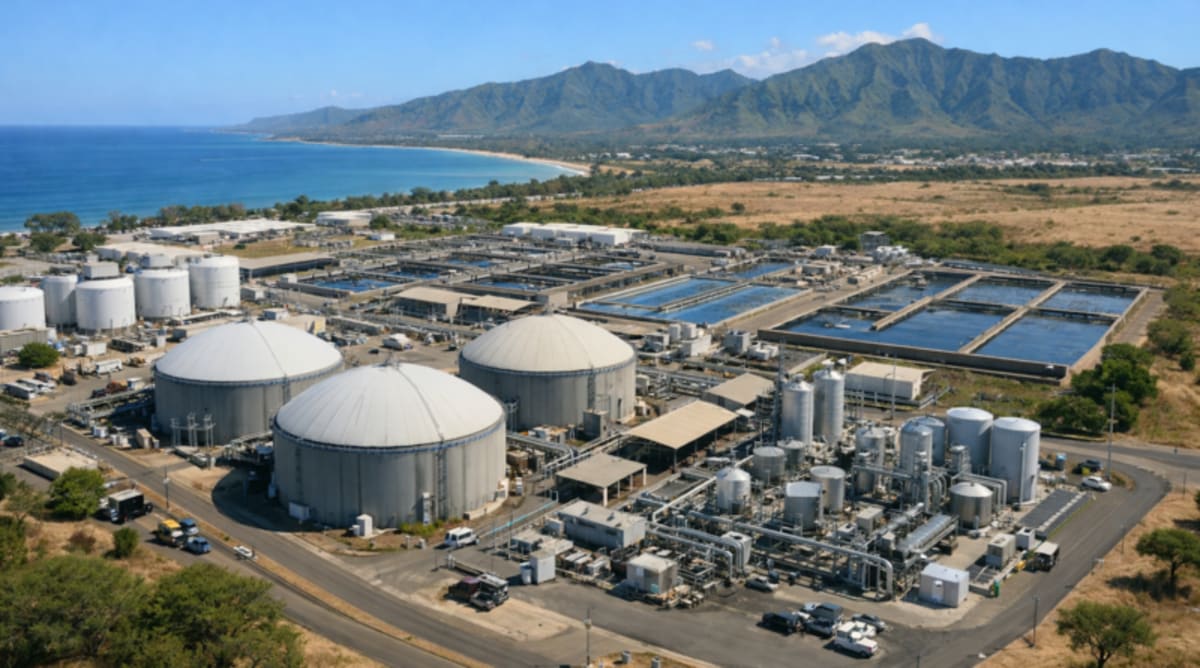
The numbers tell an encouraging story. Oahu's wastewater treatment facilities at Sand Island, Honouliuli, and other locations could produce about 1.7 million therms of methane yearly. The Waimānalo Gulch landfill adds another 1.9 million therms as garbage naturally breaks down.
Food waste from restaurants, hotels, and homes could contribute even more. Honolulu tosses out 60,000 tons of food scraps annually, enough to generate up to 2 million additional therms if collection programs expand. Combined, these waste streams create a modest but meaningful fuel reserve without drilling, fracking, or importing a single drop of fossil gas.
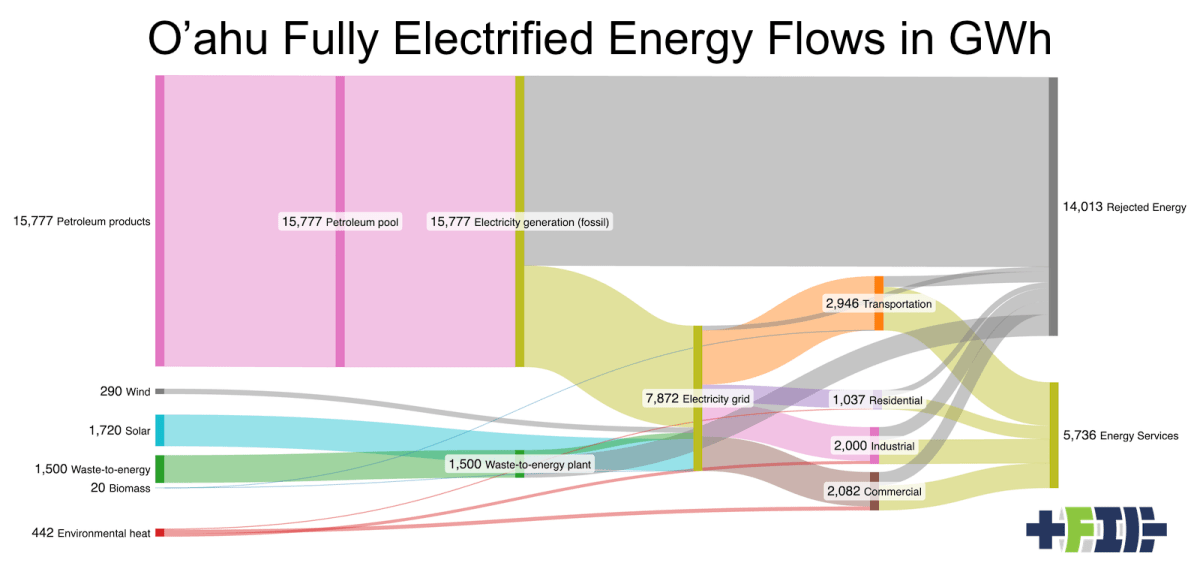
The plan fits perfectly into Oahu's bigger energy picture. Solar panels and batteries will handle most electricity needs, providing about 6,000 gigawatt hours yearly. Wind turbines add generation during morning and evening hours when solar drops off. District seawater cooling systems reduce air conditioning demand downtown.
The Ripple Effect
Beyond backup power, this waste-to-energy approach closes other loops that matter. The digesters leave behind nutrient-rich material full of nitrogen, phosphorus, and potassium, the same ingredients in commercial fertilizer.
Hawaii currently ships in most agricultural supplies across thousands of ocean miles. Converting waste digestate into soil amendments means local farms can reduce their dependence on imported fertilizer while cutting the carbon footprint of both waste disposal and food production.
The biomethane reserve won't run continuously. That's the point. It sits ready for those handful of days each year when nature doesn't cooperate and multiple systems need support simultaneously.
Other islands watching Hawaii's clean energy transition are taking notes. Turning waste streams into strategic fuel reserves offers a practical template for isolated communities wrestling with similar challenges. No new carbon enters the atmosphere because the methane comes from recently living material, not ancient fossil deposits.
Hawaii just proved that the cleanest backup plan might be the one hiding in plain sight at the wastewater plant.
#
More Images
Based on reporting by CleanTechnica
This story was written by BrightWire based on verified news reports.
Spread the positivity!
Share this good news with someone who needs it