HBCUs Launch Plan to Track Band Student Graduation Rates
The students who electrify HBCU halftime shows are getting new academic support. Leaders are calling for graduation tracking to match the visibility these cultural ambassadors bring their schools.
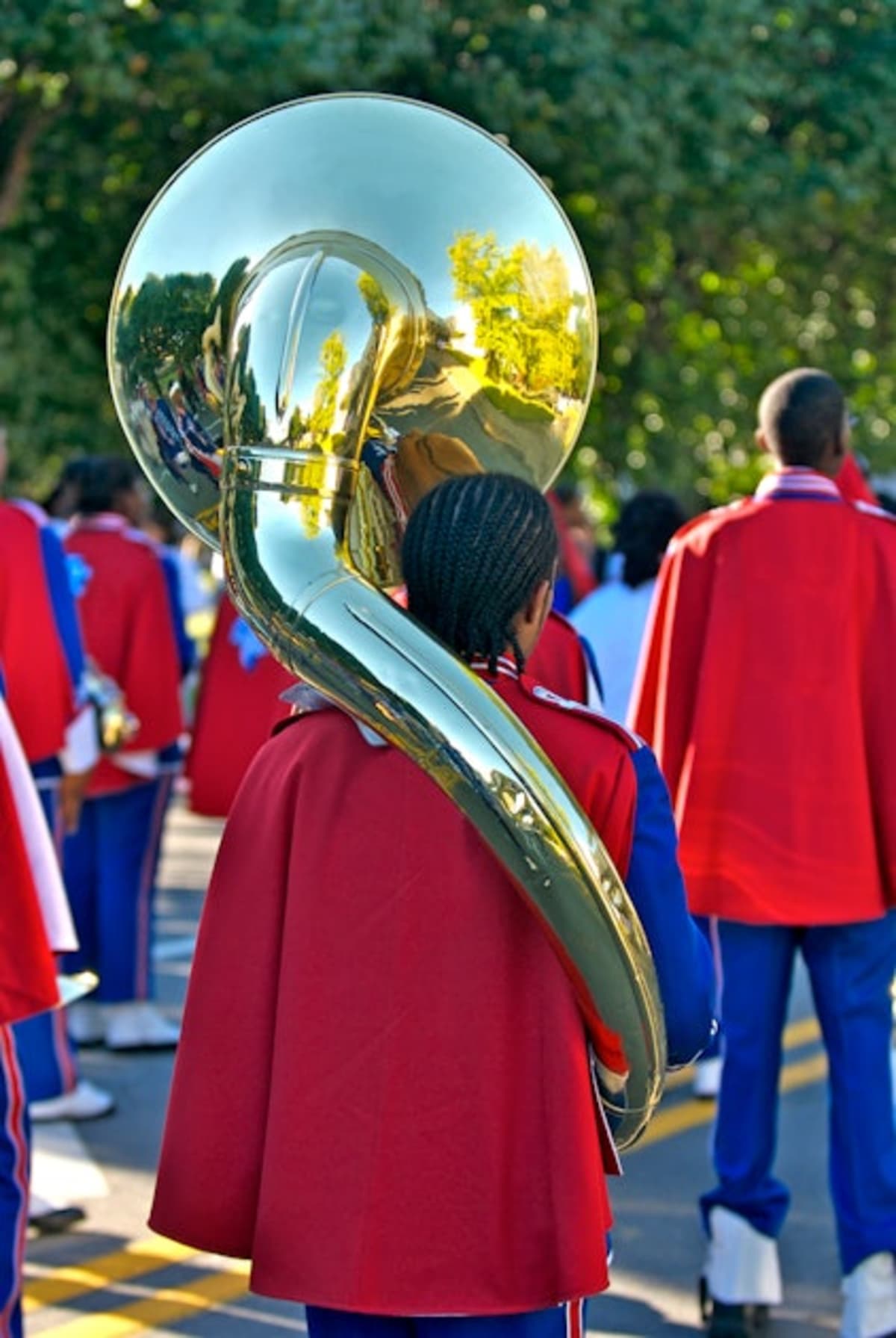
When Florida A&M's "Marching 100" takes the field, millions watch. Now, education leaders want to ensure those same students get equal attention when they walk across the graduation stage.
A growing movement among Historically Black Colleges and Universities is spotlighting a gap in how schools support their marching band members. These students rehearse daily, travel for performances, and become the face of their institutions, yet their academic outcomes are rarely tracked as a distinct group.
The conversation gained momentum this summer when education analyst Jowaune Williams asked a simple question: if schools monitor graduation rates for athletes, why not for band students who face similar time demands? His analysis revealed that while NCAA athletes benefit from dedicated advisors and mandatory study halls, band members often navigate college without targeted academic support.
The numbers tell an important story. Many HBCU band students are first-generation college attendees juggling rehearsals with part-time jobs and family responsibilities. Research from the Association of American Colleges & Universities shows that campus involvement boosts student retention, but only when structural barriers don't overwhelm that engagement.
The Ripple Effect
Several HBCUs are now exploring solutions that honor both the cultural importance of their bands and their students' academic needs. Proposals include assigning dedicated academic advisors during peak performance seasons, creating structured study hours that work around rehearsal schedules, and establishing early-alert systems when grades slip.
These aren't expensive overhauls. Small interventions like targeted scholarships to reduce work hours or extending library access during travel seasons could make meaningful differences. The goal is ensuring that schools invest as much in their band students' success as they do in their performances.
The United Negro College Fund's recent impact report shows HBCUs already accomplish remarkable outcomes with fewer resources than many other institutions. This initiative builds on that legacy of innovation in supporting overlooked student populations.
As HBCU bands continue going viral on social media and attracting national media attention, institutional leaders see an opportunity to lead higher education in holistic student support. When schools use bands for recruitment and branding, they're committing to track whether those students thrive academically.
The question resonates beyond HBCUs too. Any student group contributing significant unpaid labor to institutional prestige deserves corresponding investment in their success. That's not just good practice; it's equity in action.
Leaders are now asking three baseline questions: Are we tracking band students' graduation rates? How do their outcomes compare to campus averages? What supports exist during their busiest seasons?
The applause for halftime shows will continue, and soon the celebration will extend all the way to commencement.
More Images



Based on reporting by Google News - Graduation Success
This story was written by BrightWire based on verified news reports.
Spread the positivity!
Share this good news with someone who needs it