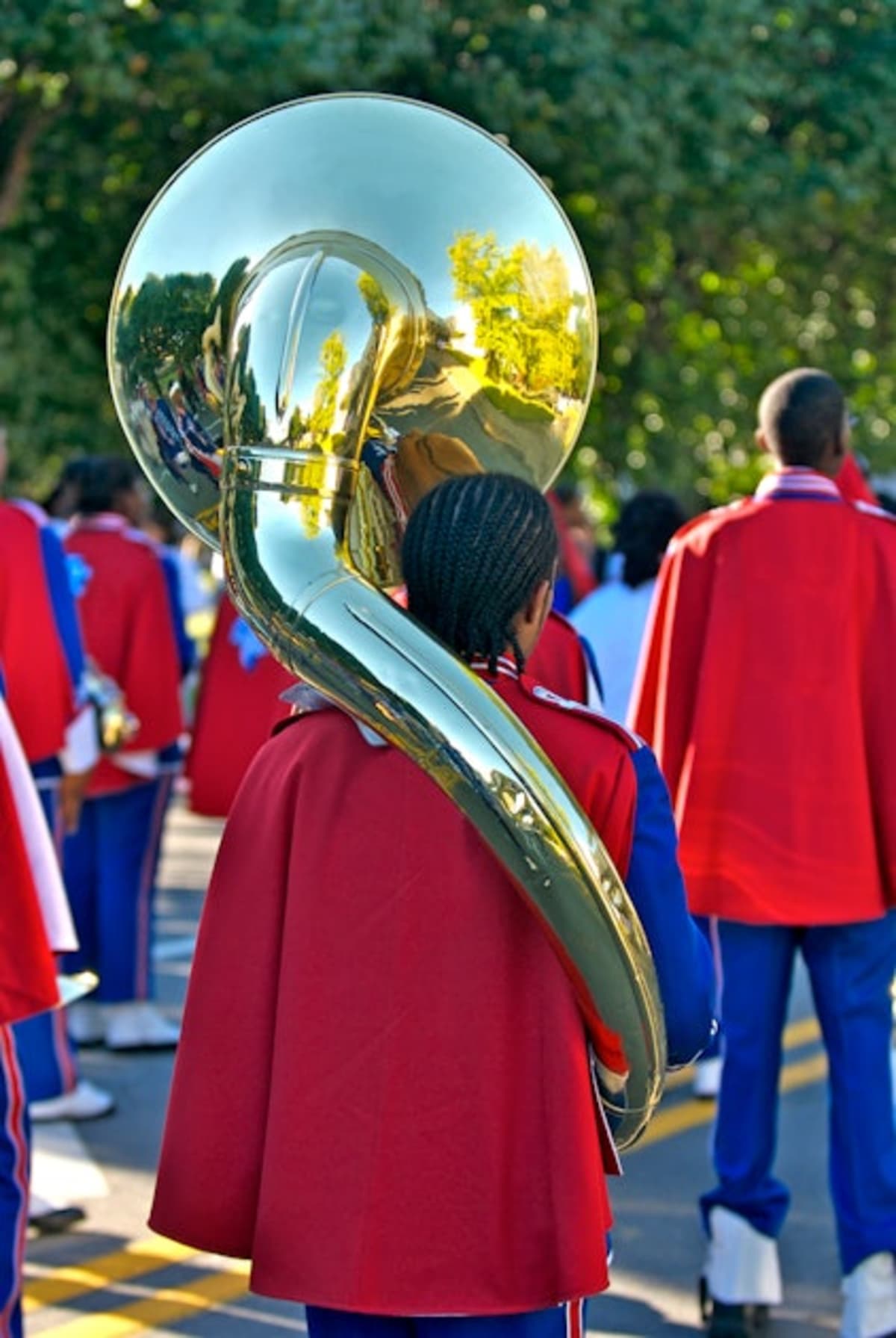
HBCUs Track Band Student Graduation Rates for First Time
Historically Black Colleges and Universities are launching a groundbreaking initiative to track and support marching band students' academic success, treating them with the same care given to athletes. This policy shift could transform outcomes for thousands of students who bring pride to their schools while juggling intense time demands.
The drumline that electrifies Saturday football games may soon get the same academic support as the players on the field.
HBCUs across the nation are beginning to ask a question that's never been systematically studied: how are their marching band members doing academically? Schools like Florida A&M's "Marching 100" and Alabama State's "Mighty Marching Hornets" draw massive crowds and drive enrollment, but until now, nobody was tracking whether these cultural ambassadors make it to graduation.
The visibility paradox is real. Band students practice daily, travel for performances, and represent their schools nationwide, yet their academic outcomes have remained invisible in institutional data. These students face time demands that rival Division I athletes, but without the structured academic support systems that keep athletes on track.
Now that's changing. Forward-thinking HBCU leaders are proposing tracking systems modeled after NCAA graduation rates for athletes. The goal isn't to expose problems but to create solutions tailored to band students' unique schedules and needs.
The timing matters because many HBCU band members are first-generation college students balancing work, family obligations, and financial stress alongside their musical commitments. Research from the Association of American Colleges & Universities shows that engagement activities boost belonging and persistence, but time poverty can undermine those benefits when rehearsals conflict with tutoring sessions or office hours.
Small interventions could make huge differences. Schools are considering dedicated academic advisors during peak performance seasons, structured study hours integrated with rehearsals, early-alert systems for academic concerns, and targeted scholarships to reduce work obligations.
The Ripple Effect
This initiative represents more than policy reform. It sends a powerful message that cultural contributions have value and that students who bring pride to their institutions deserve comprehensive support in return.
When HBCU bands go viral for show-stopping halftime performances, millions of viewers see Black excellence on display. Ensuring those same students cross the graduation stage with their diplomas transforms visibility into lasting opportunity. The data-driven approach also positions HBCUs to lead conversations about higher education accountability with proactive evidence rather than reactive explanations.
The movement builds on HBCUs' legacy of educating students other systems overlooked. According to the United Negro College Fund, these institutions generate remarkable returns for Black communities and the broader economy despite operating with fewer resources than predominantly white colleges.
Extending that innovative spirit to band students simply continues what HBCUs do best: seeing the whole student and investing in their complete success.
The bands that make Saturdays unforgettable deserve to march across graduation stages too, and finally, someone's making sure they will.
More Images



Based on reporting by Google News - Graduation Success
This story was written by BrightWire based on verified news reports.
Spread the positivity!
Share this good news with someone who needs it