Health Worker Delivers Baby During South Africa Floods
When floods isolated a South African village and blocked all roads to the hospital, a community health worker stepped in to safely deliver a neighbor's baby at home. The emergency birth highlights both the power of local healthcare heroes and the urgent need for better rural medical access.
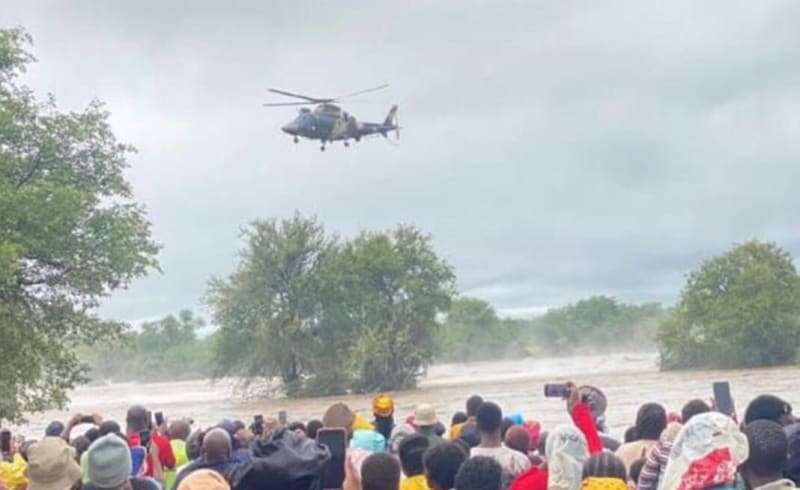
When Evidence Ramuswana went into labor at 10 pm on January 15, heavy rains had already turned the roads around her village into rivers. No taxis could run, no ambulances could reach her, and the nearest clinic was completely cut off.
So she walked a few meters through the storm to her neighbor Maggie Setagane's home. Setagane, a community health worker in Mbaula village outside Giyani, Limpopo, had helped neighbors before but never like this.
With the assistance of her mother, Setagane safely delivered Ramuswana's baby girl at home while the rain poured down outside. Both mother and baby are healthy.
The floods on January 14 had submerged roads throughout the region after rivers overflowed. Mbaula and neighboring Phalakubeni villages found themselves completely isolated from healthcare services just when they needed them most.
Sunny's Take
This emergency birth tells a bigger story about rural healthcare in South Africa. Mbaula residents have waited more than 30 years for their local healthcare point to be upgraded into a full clinic.
Right now, women in labor typically need to hire private cars for 500 rand (about $28) to reach medical facilities. People who depend on daily medication sometimes miss doses because they cannot afford transport.
Setagane sees these struggles every day. "We try to follow up, but transport is a real barrier," she explains. The community hopes health officials will station a nurse locally to assist with emergencies.
No new clinics have been built in Limpopo province since 2013-2014, according to provincial health spokesperson Neil Shikwambana. That decade-long gap has left communities like Mbaula vulnerable during crises.
Premier Dr. Phophi Ramathuba learned about the flood birth on January 17 and tried to visit the family, though she was delayed helping other affected villages. The attention from provincial leadership signals that rural healthcare gaps are finally getting recognition at the highest levels.
Setagane's quick thinking and skill saved two lives that stormy night, proving that trained community health workers are essential lifelines in areas without full medical facilities.
Based on reporting by AllAfrica - Headlines
This story was written by BrightWire based on verified news reports.
Spread the positivity!
Share this good news with someone who needs it
%2Ffile%2Fattachments%2Forphans%2FMC-Cycle-fundraiser1_534277.jpg)