Ugandan Advocate Honored for Fight Against Drug Resistance
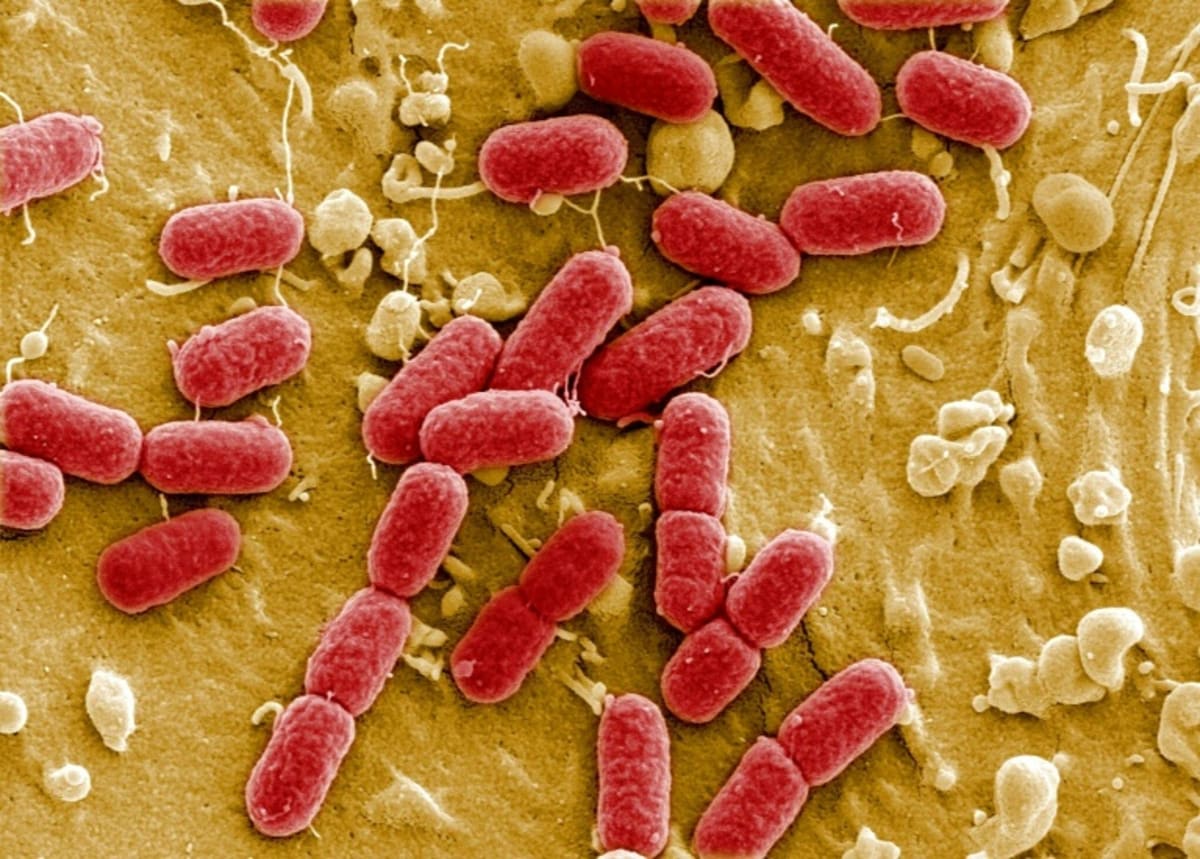
Regina Kamoga is one of eight women worldwide recognized for tackling antimicrobial resistance, a silent threat that kills over a million people annually. Her community-focused work in Uganda shows how grassroots education can protect life-saving medicines for future generations.
When bacteria learn to outsmart our strongest medicines, even a simple cut can turn deadly.
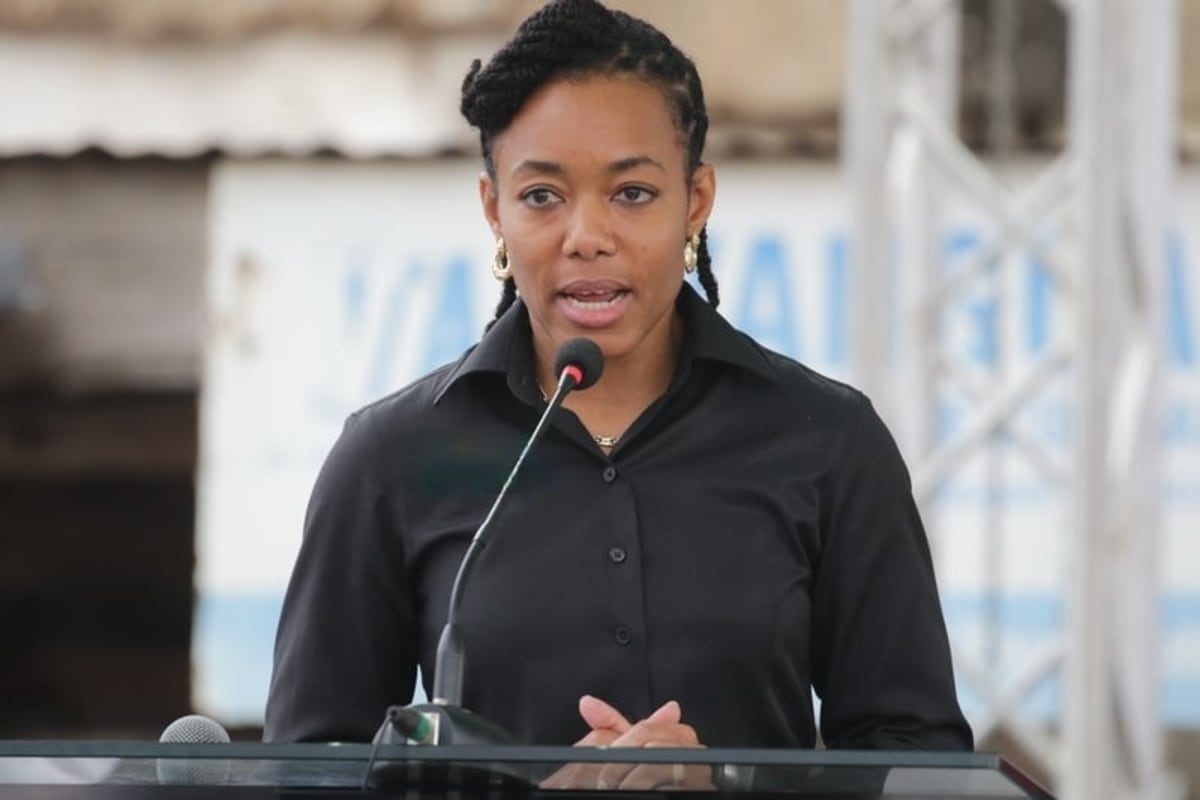
Regina Mariam Namata Kamoga knows this threat intimately. The Ugandan health advocate just earned global recognition as one of eight Female Trailblazers fighting antimicrobial resistance, a growing crisis that claimed 1.27 million lives in 2019 alone. She received the honor February 17 in Sydney, Australia, through the Fleming Initiative and CSIRO partnership.
As Executive Director of the Community Health and Information Network (CHAIN), Kamoga works where the battle matters most: in communities where antibiotics are sold without prescriptions and farmers feed them to chickens to boost production. Africa faces the highest death rate from drug-resistant infections globally, with 27.3 deaths per 100,000 people. That exceeds the combined toll from HIV/AIDS, tuberculosis, and malaria.
"When antibiotics stop working, even simple infections become dangerous, and many life-saving medical procedures become much riskier," Kamoga told journalists at her Namulonge office. One in six bacterial infections worldwide now resists antibiotics, according to the World Health Organization.
In Uganda, the problem grows from multiple directions. People buy antibiotics over the counter without doctor visits. They stop taking pills once they feel better, not when the infection truly dies. Misinformation spreads faster than facts, leading families to unqualified healers or counterfeit drugs.
CHAIN tackles these challenges through school programs teaching children proper medicine use and community campaigns promoting hygiene and responsible antibiotic practices. Nathan Muyinda, a medical trainer at CHAIN, emphasizes how the solution requires everyone's involvement. "In the past, we thought antimicrobial resistance was mainly a problem for health workers, but we now understand that it goes far beyond that," he said.
The Ripple Effect
Kamoga's recognition spotlights a crucial truth: protecting antibiotics isn't just a hospital issue. When farmers use antibiotics to fatten livestock faster, those drugs enter the food chain and contribute to resistance in people who eat the meat. When communities understand how infections spread, they practice better hygiene and seek proper care sooner.
Uganda has a comprehensive National Action Plan with five strategic actions, but implementation stalls without adequate funding. Kamoga now calls on her government to prioritize this invisible threat before common infections become untreatable. Her colleague Gladys Mary Nalukenge adds that adequate funding could help communities stay protected while keeping antibiotics effective for everyone.
Community-led interventions like CHAIN's work prove that education changes behavior, and changed behavior saves lives.
Based on reporting by AllAfrica - Headlines
This story was written by BrightWire based on verified news reports.
Spread the positivity!
Share this good news with someone who needs it