India's First Woman IAS Officer Refused the 'Safe' Choice
When Anna Rajam George topped India's civil service exam in 1950, officials told her to pick a safer job. She fought for her rank and made history instead.
In 1951, four men sat across from Anna Rajam George and told her the Indian Administrative Service was too dangerous for a woman. She should choose something safer, they insisted. Anna said no.
She had just cleared one of India's toughest exams at age 23. The UPSC board offered her Foreign Service or Central Services instead, posts they deemed more suitable for women. But Anna had earned her rank fairly, and she wasn't backing down.
Born in Niranam, Kerala in 1927, Anna earned her masters in English literature before tackling the civil services exam. When she defended her choice to join the IAS, the board reluctantly agreed. She chose the Madras cadre to serve her home state.
Her appointment letter came with a shocking condition: her service would end the day she married. The rule applied only to women officers. It was quietly removed a few years later.
Chief Minister C Rajagopalachari doubted a woman could handle law and order work in rural areas. Anna proved him wrong by becoming sub collector of Tirupattur, the first woman to hold such a post in the IAS.
Village women gathered around her during field visits, studying her uniform and face with curiosity. One woman finally spoke up, surprised that an officer looked just like them.
When six elephants wandered into Hosur village under her watch, the standard order was to shoot them. Anna refused. She used patience and local knowledge to guide the herd safely back to the forest instead.
Why This Inspires
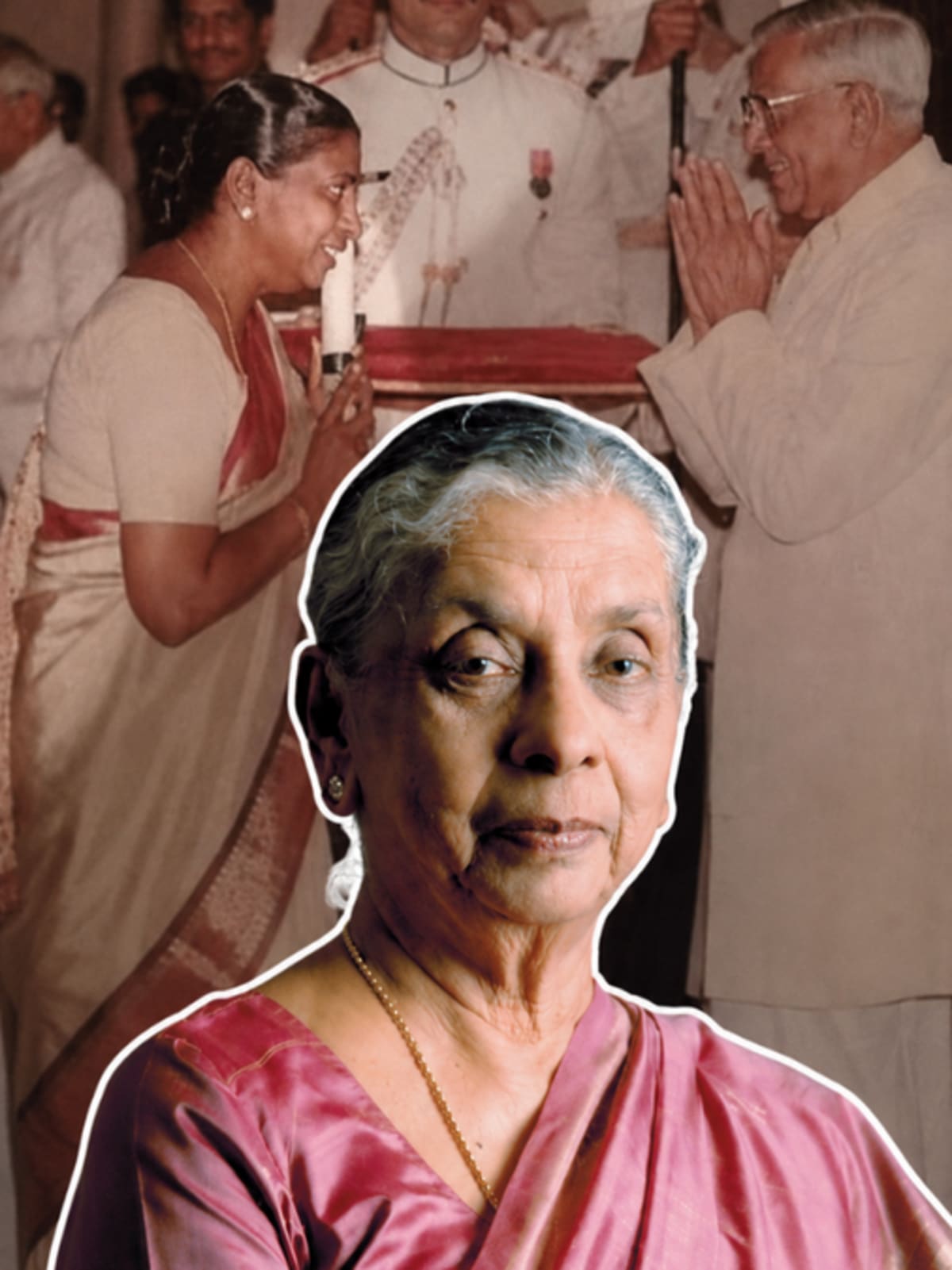
Anna's career spanned seven chief ministers. She became the first woman secretary to the union government and later led the construction of Nhava Sheva port. In 1989, she received the Padma Bhushan.
Years after Anna's groundbreaking appointment, the UPSC chairman cited her success as proof more women should join the IAS. Anna disagreed with his reasoning. She never wanted special quotas or separate doors for women. She wanted the same merit-based exam, the same standards, the same opportunity for everyone.
One woman's refusal to take the safer path opened doors that still swing wide today.
Based on reporting by The Better India
This story was written by BrightWire based on verified news reports.
Spread the positivity!
Share this good news with someone who needs it