Heartland volunteers are planting native gardens to help reverse a sharp drop in pollinator species.
Volunteers across America's Heartland are transforming yards and public spaces into native pollinator gardens to help restore declining bee and butterfly populations. Their grassroots effort is creating wildlife corridors one garden at a time.
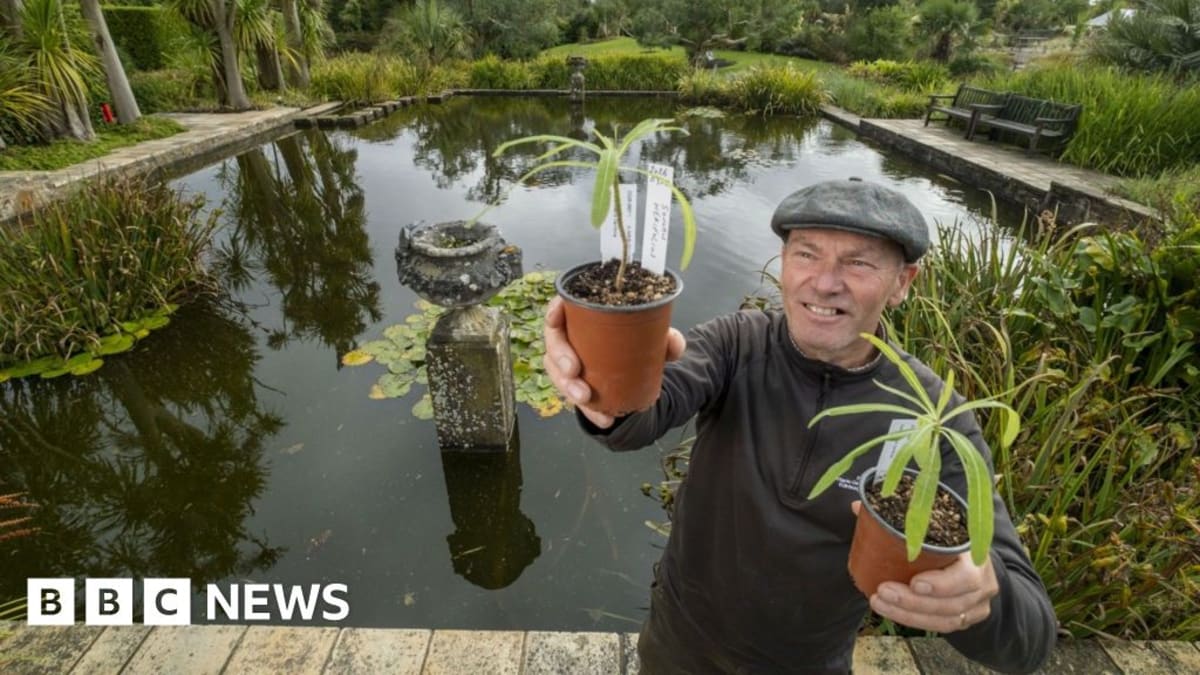
Across the Heartland, neighbors are grabbing shovels and turning their lawns into lifesaving habitat for struggling bees, butterflies, and other pollinators. These volunteer gardeners are planting native flowers and plants that local pollinator species actually need to survive.
Pollinator populations have dropped sharply in recent decades, threatening the crops that feed us and the ecosystems that sustain life. Nearly 90% of wild plants depend on pollinators, and one out of every three bites of food we eat relies on their work.
The volunteer movement focuses on native plants because they've evolved alongside local pollinators for thousands of years. A native milkweed provides 450 times more value to butterflies than an ornamental garden flower, and native goldenrod supports over 100 bee species that imported plants simply can't sustain.
These gardens don't require the water, fertilizers, or pesticides that traditional lawns demand. Once established, native plants need minimal care because they're adapted to local rainfall and soil conditions, making them easier on both volunteers' schedules and the environment.
The Ripple Effect
What starts as one backyard garden quickly inspires neighbors to follow suit. Communities are creating connected corridors of native habitat that allow pollinators to travel, feed, and breed across entire neighborhoods and towns.
Schools are getting involved too, with students planting pollinator gardens on campus and learning firsthand about ecology and conservation. These young gardeners are taking their knowledge home and encouraging their families to make the switch.
Local garden centers report growing demand for native plant species, showing how volunteer action is shifting the market toward more sustainable choices. Nurseries that once stocked mostly ornamentals are now dedicating entire sections to regional native plants.
The volunteers say the work brings unexpected joy beyond helping wildlife. They've formed friendships while planting together, discovered the meditative calm of gardening, and experienced the thrill of watching their first monarch butterfly land on flowers they planted with their own hands.
Every garden planted is a small act of hope that adds up to real change for species that need our help.
More Images

Based on reporting by Google: volunteers help
This story was written by BrightWire based on verified news reports.
Spread the positivity!
Share this good news with someone who needs it