High Altitudes May Lower Diabetes Risk, Scientists Find
People living in the mountains have long shown lower diabetes rates, and scientists think they finally know why. Red blood cells might hold the key to managing blood sugar naturally.
Scientists may have cracked the code on why people living high in the Andes and Himalayas have fewer cases of diabetes.
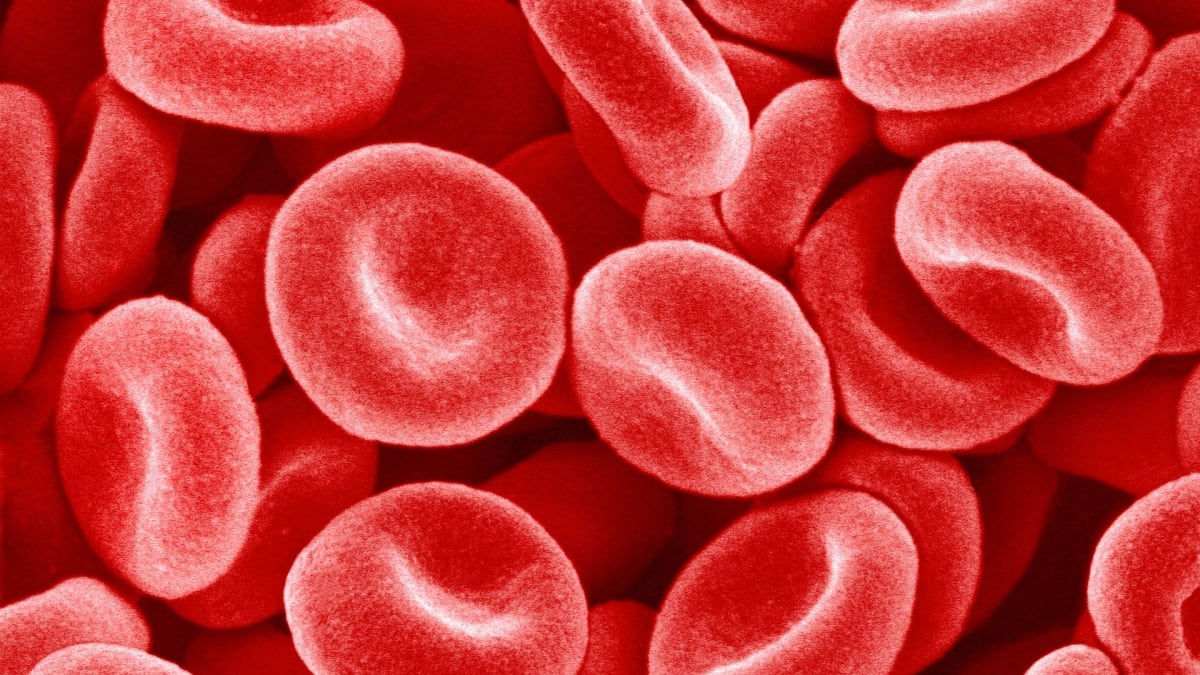
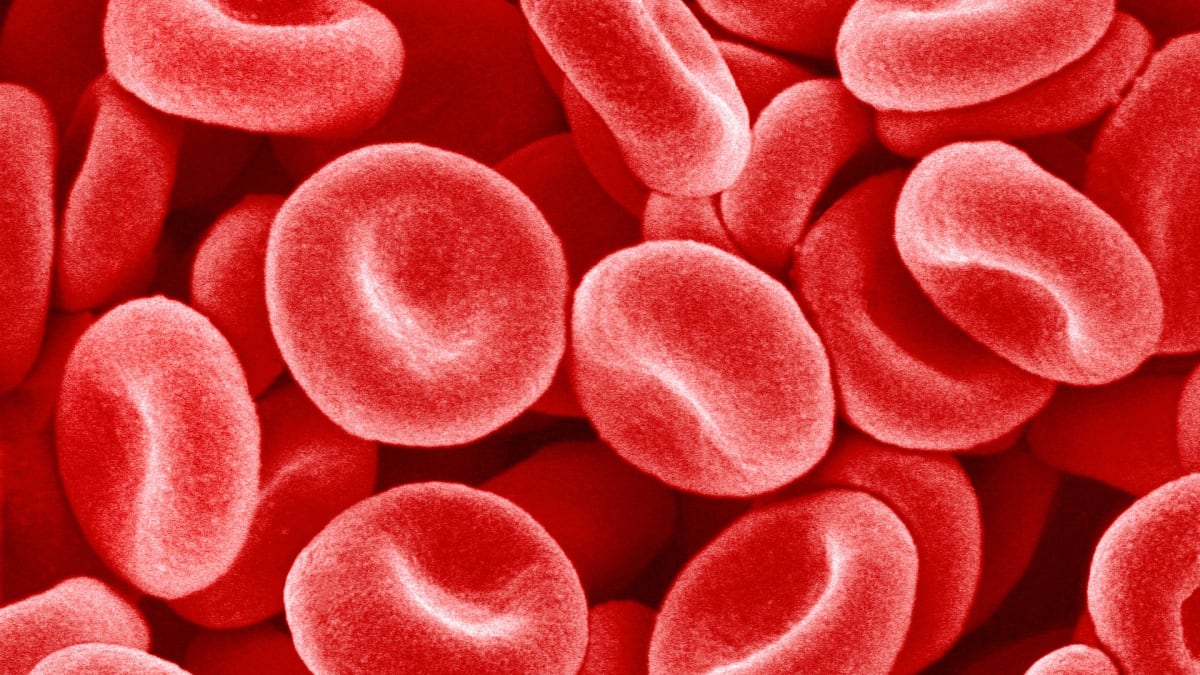
New research shows that red blood cells transform into tiny glucose regulators when oxygen is scarce. They soak up extra sugar from the bloodstream to help release oxygen into tissues, essentially pulling double duty for the body.
Researchers at the Gladstone Institutes tested this discovery by placing mice in chambers with low oxygen levels similar to high altitude air. After several weeks, these mice cleared glucose from their blood much faster than mice breathing normal air. The effect lasted for weeks even after returning to regular oxygen, suggesting the metabolic change has staying power.
The breakthrough came when scientists couldn't account for where all the glucose was going. Major organs like the liver and muscles weren't absorbing enough to explain the drop in blood sugar levels.
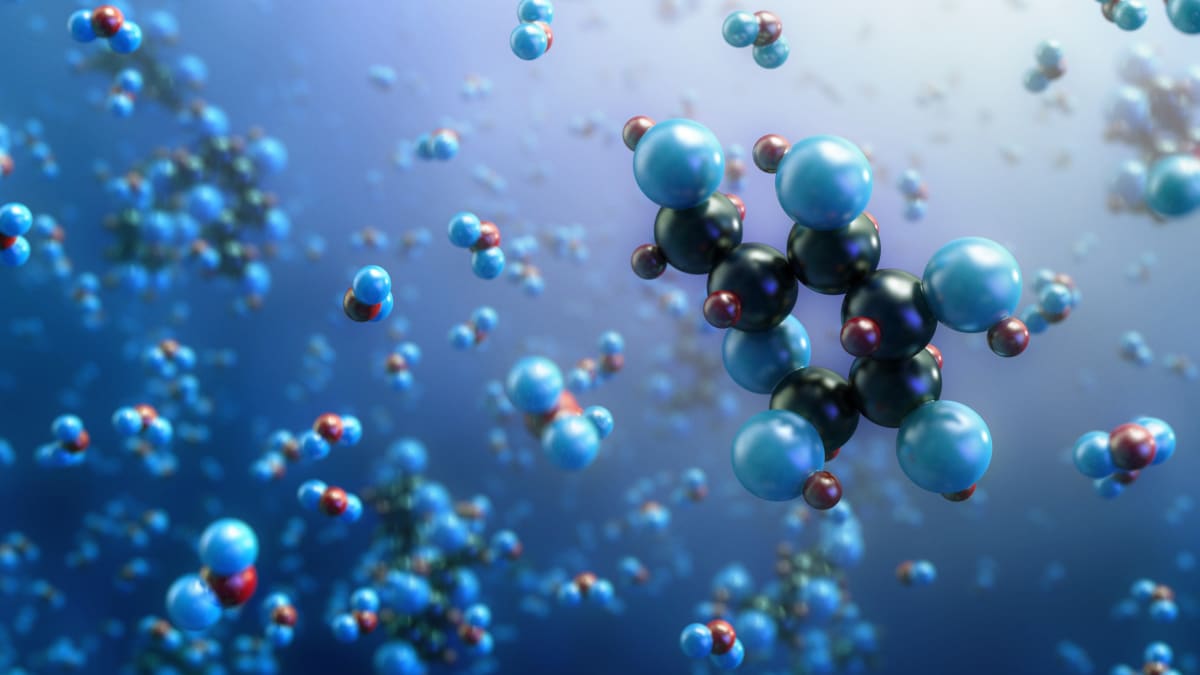
When they tracked labeled glucose molecules through the body, they discovered red blood cells in low oxygen conditions absorbed three times more glucose than normal. These cells converted the sugar into a compound that binds to hemoglobin, forcing it to release oxygen more easily when tissues need it most.
The oxygen deprived mice also produced red blood cells with twice as much GLUT1, a protein that helps glucose enter cells. Only newly produced cells showed these adaptations, not existing ones.
To confirm red blood cells were responsible, researchers removed blood from oxygen deprived mice to keep their red blood cell counts normal. This eliminated the glucose lowering effect completely. When they transfused red blood cells into mice breathing normal air, blood sugar levels dropped, proving the cells alone could drive down glucose.
Why This Inspires
This discovery goes beyond explaining a geographic health pattern. Lead researcher Isha Jain notes the work highlights an entirely new role for red blood cells in diabetes regulation, opening doors for future treatments.
Drugs in early stage development could potentially mimic this natural pathway, offering hope for the 537 million adults worldwide living with diabetes. The body already knows how to regulate blood sugar in creative ways, and scientists are learning to tap into that wisdom.
More Images


Based on reporting by Live Science
This story was written by BrightWire based on verified news reports.
Spread the positivity!
Share this good news with someone who needs it