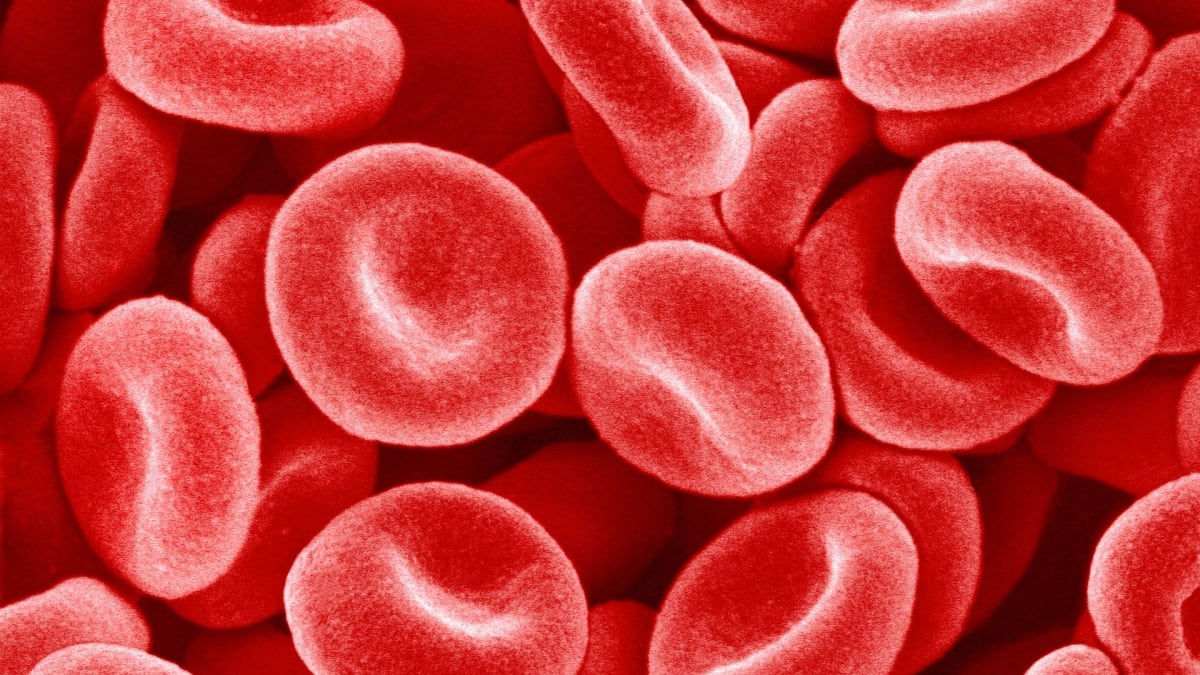
High Altitude Lowers Diabetes Risk, Scientists Find Why
Scientists discovered why people living at high altitudes have lower diabetes rates. Red blood cells in low-oxygen environments consume more glucose to help oxygen reach tissues.
Find uplifting stories about heroes, innovations, and solutions
425 results for "altitude"
Scientists discovered why people living at high altitudes have lower diabetes rates. Red blood cells in low-oxygen environments consume more glucose to help oxygen reach tissues.
South Africa's World Cup squad arrived in Pachuca expecting beaches and warmth, but found cool mountain air and 8,000-foot altitude instead. Their cheerful adaptation shows how flexibility and good humor turn surprises into strengths.
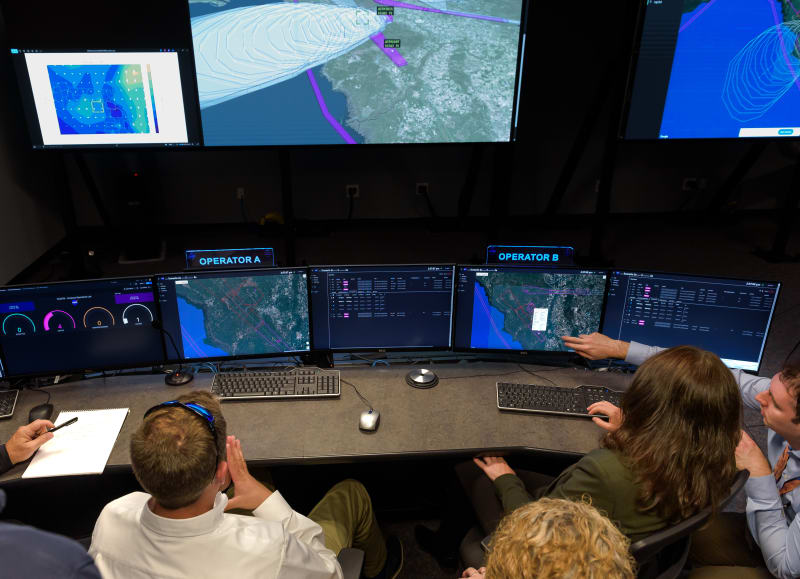
NASA just successfully tested a system that could make high-altitude airspace safer and more accessible for aircraft bringing internet to remote areas and monitoring disasters. The breakthrough could open the door to life-saving humanitarian missions above 50,000 feet.
People living in the mountains have long shown lower diabetes rates, and scientists think they finally know why. Red blood cells might hold the key to managing blood sugar naturally.

Scientists discovered why mountain living reduces diabetes risk: red blood cells act like sugar sponges in low-oxygen environments. The breakthrough could lead to new treatments for millions managing blood sugar.

A climate tech company just became the first commercial buyer to finance over 1 million tonnes of carbon removal, partnering with a Bolivian industrial company to turn agricultural waste into climate solutions. This milestone proves large-scale carbon cleanup is moving from theory to reality.
A genetic mutation that helps yaks survive thin mountain air could offer a breakthrough treatment for multiple sclerosis and other nerve diseases. The discovery points to a natural molecule already in our bodies that can repair damaged brain tissue.

Scottish runner Josh Kerr transformed his Albuquerque bedroom into an altitude chamber, spending 12 hours daily at simulated 8,000 feet as he chases a mile world record that's stood since 1999. His extreme dedication and recent training breakthroughs suggest he might actually pull it off.

CATL is partnering with Tibet's development group to build zero-carbon energy systems designed for high-altitude conditions. The project could transform how remote mountain regions access reliable clean power.

Chinese scientists just cloned 10 healthy yaks that could transform high-altitude farming and help herding communities thrive for generations. The breakthrough slashes breeding time by 75% and could reverse decades of genetic decline.
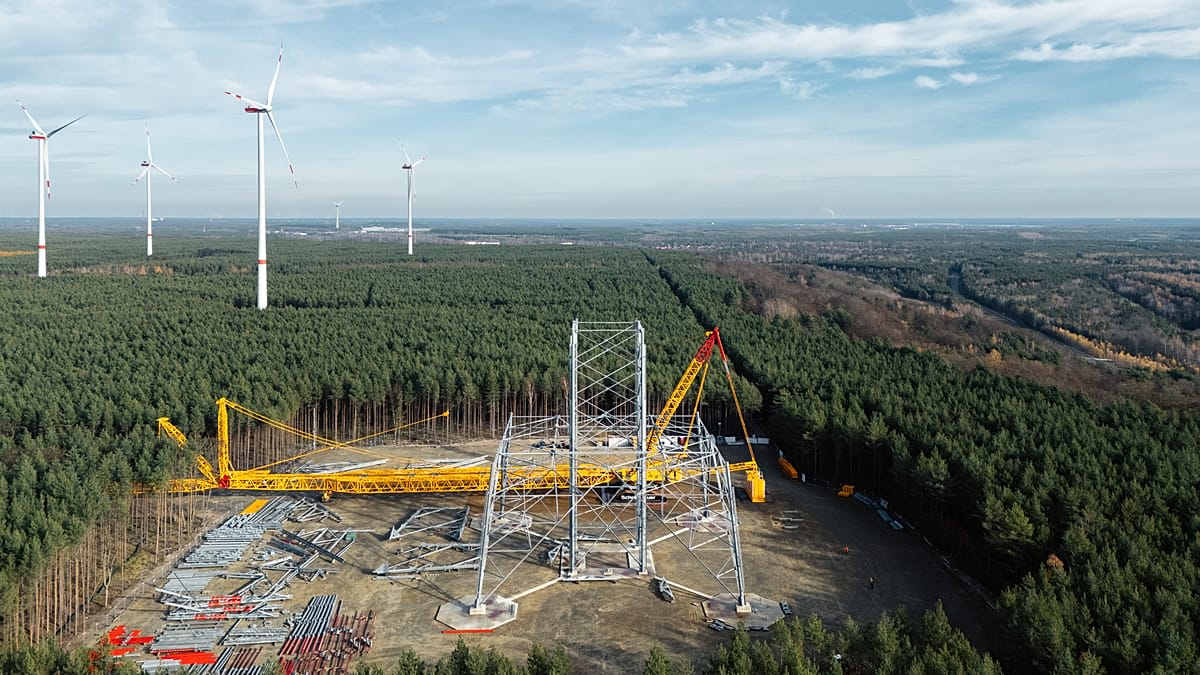
A 360-meter wind turbine is being built in Germany's coal mining heartland, capable of powering 7,500 homes. The innovative design captures stronger high-altitude winds and could transform renewable energy across Europe.
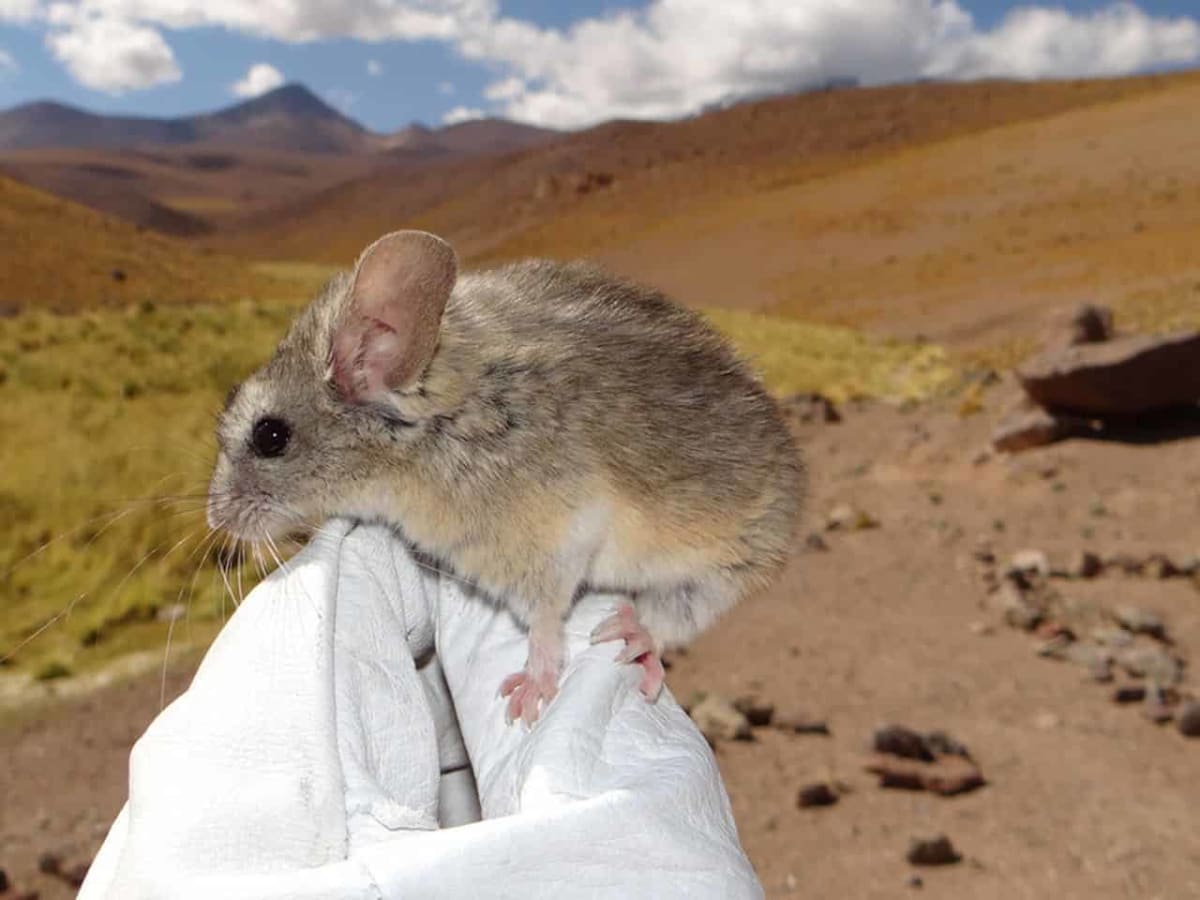
Scientists finally cracked the mystery of how a tiny mouse thrives year-round at altitudes so extreme that even experienced climbers struggle to survive. The adorable Andean leaf-eared mouse has evolved remarkable biological superpowers to live where mammals shouldn't exist.

A floating power station just completed a successful test flight in China, hovering higher than any skyscraper while generating clean electricity from high-altitude winds. The inflatable turbine system could bring renewable energy to remote locations and cities within hours of arrival.

A helium-powered wind turbine the size of a small building just floated 6,500 feet above China and successfully fed electricity into the grid. It's the first time a high-altitude floating wind system has worked at megawatt scale, opening new possibilities for clean energy.

Italian engineers built a "carousel" of flying kites that harvests energy from high-altitude winds, potentially matching the output of 2,500 traditional turbines. The system uses synchronized kites tethered to a ground-based ring, creating tension that spins generators without massive towers or blades.

Starting this winter, travelers can spot snow leopards and rare Himalayan birds on India's first high-altitude wildlife safari in Ladakh. The new guided tours aim to protect fragile habitats while giving visitors an organized way to experience one of the world's most elusive big cats.

At nearly three miles above sea level, Tibet has installed the world's highest concentrated solar power plant, turning extreme altitude into a clean energy advantage. The breakthrough includes power storage that works after dark and transmission lines sending renewable electricity thousands of miles to China's most populated cities. ##
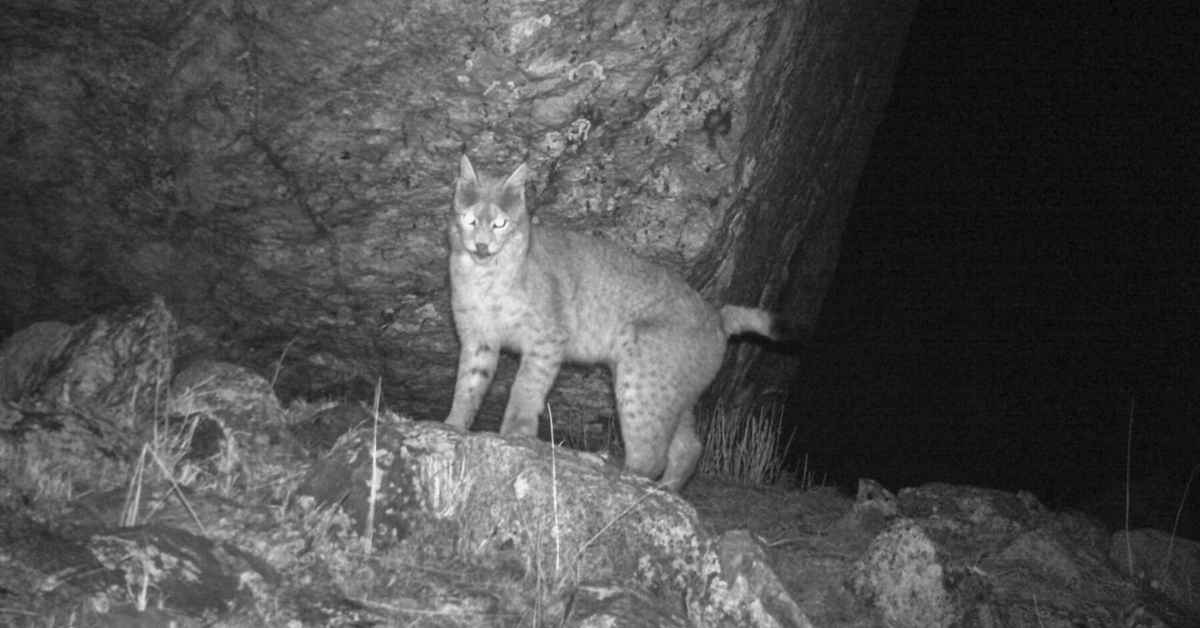
A camera trap in India's Sikkim region has captured the first confirmed photo of an elusive Eurasian lynx at over 17,400 feet, proving these remote mountain rangelands are thriving ecosystems. The discovery adds to growing evidence that high-altitude plateaus once dismissed as barren wastelands actually support complex food webs with multiple predators.
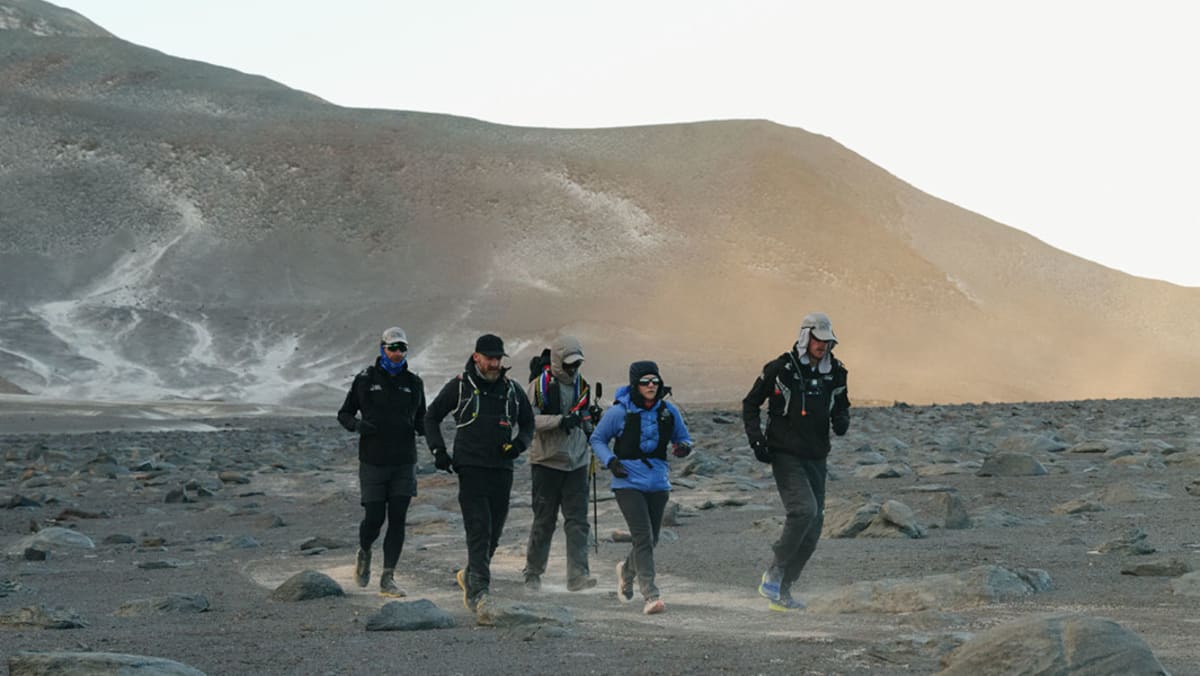
Five runners just completed a marathon on top of Earth's highest active volcano, battling 62 mph winds and minus 22-degree temperatures at nearly 23,000 feet above sea level. The grueling 16 to 18-hour race down Chile's Ojos del Salado volcano shattered the previous high-altitude marathon record by over 3,000 feet.
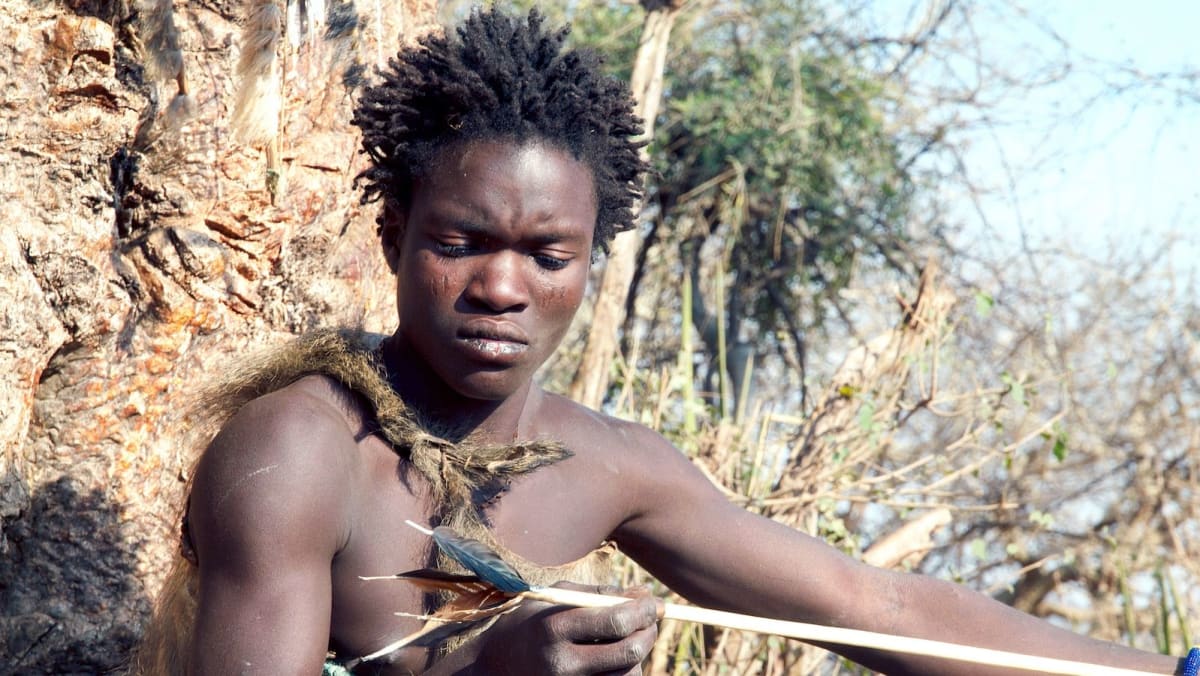
A Duke scientist's new book reveals how our bodies constantly adjust to different environments, from deep-sea diving to high altitudes. Understanding this shared human adaptability could fight dangerous health misinformation.
Showing 20 of 425