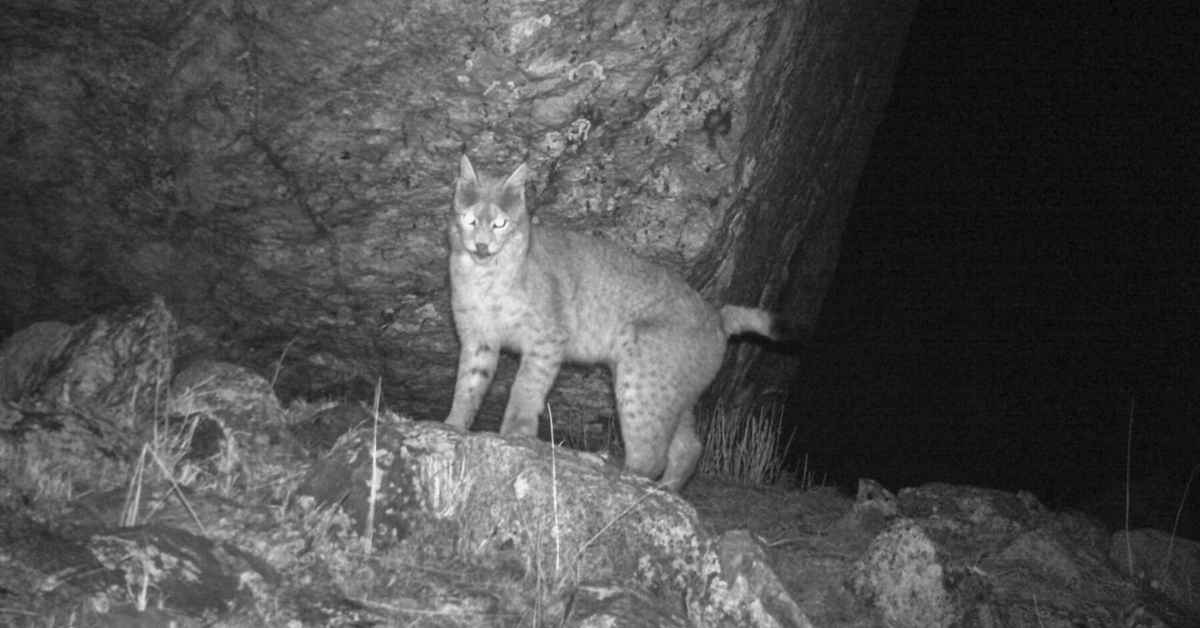
Rare Lynx Spotted at 17,400 Feet in Himalayan Plateau
A camera trap in India's Sikkim region has captured the first confirmed photo of an elusive Eurasian lynx at over 17,400 feet, proving these remote mountain rangelands are thriving ecosystems. The discovery adds to growing evidence that high-altitude plateaus once dismissed as barren wastelands actually support complex food webs with multiple predators.
A rare visitor just appeared on camera in one of Earth's most remote places, and it's changing what scientists thought they knew about life at extreme altitudes.
In January 2026, camera traps stationed on Sikkim's Tso Lhamo plateau captured something remarkable: a Eurasian lynx prowling across rocky slopes at 17,400 feet. This marks the first confirmed photographic evidence of the species in the Indian state and only the second record from the Eastern Himalayas.
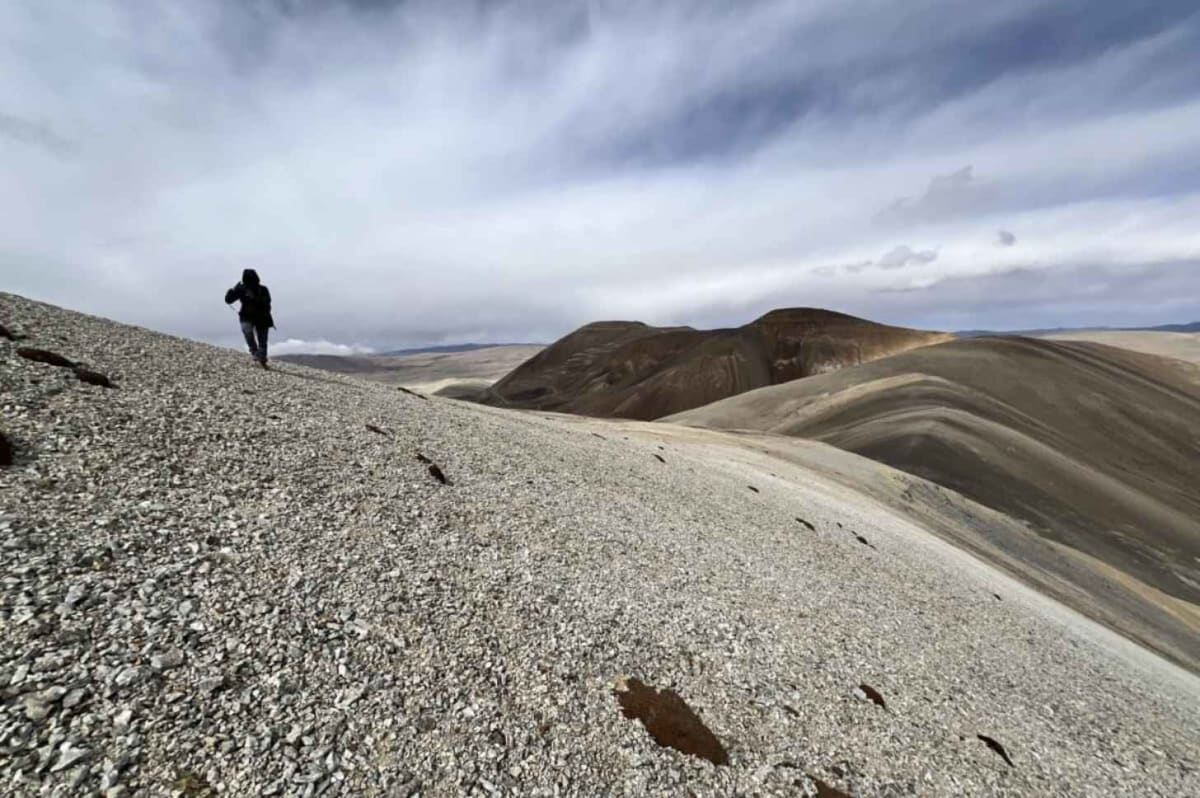
The sighting came from a long-term monitoring program run by Sikkim's forest department and WWF-India. The team set up cameras to track snow leopards and study the health of trans-Himalayan rangelands, areas often written off as lifeless cold deserts.
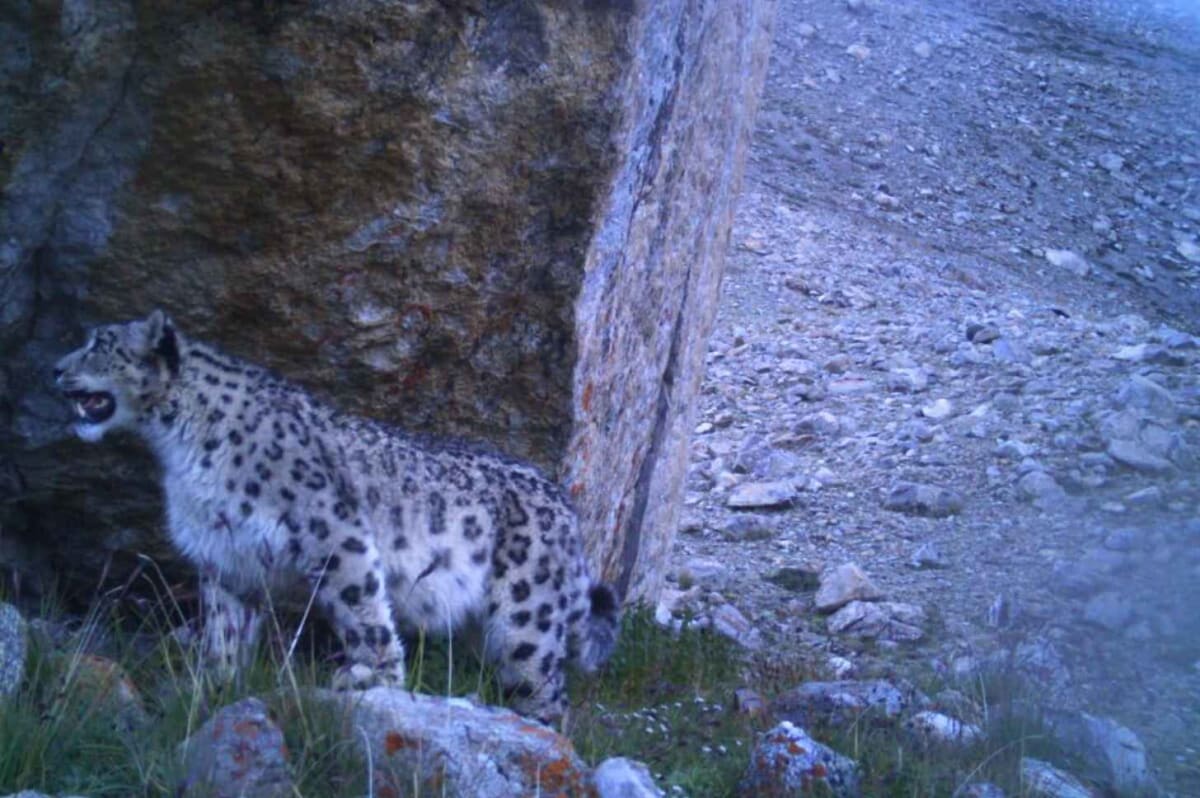
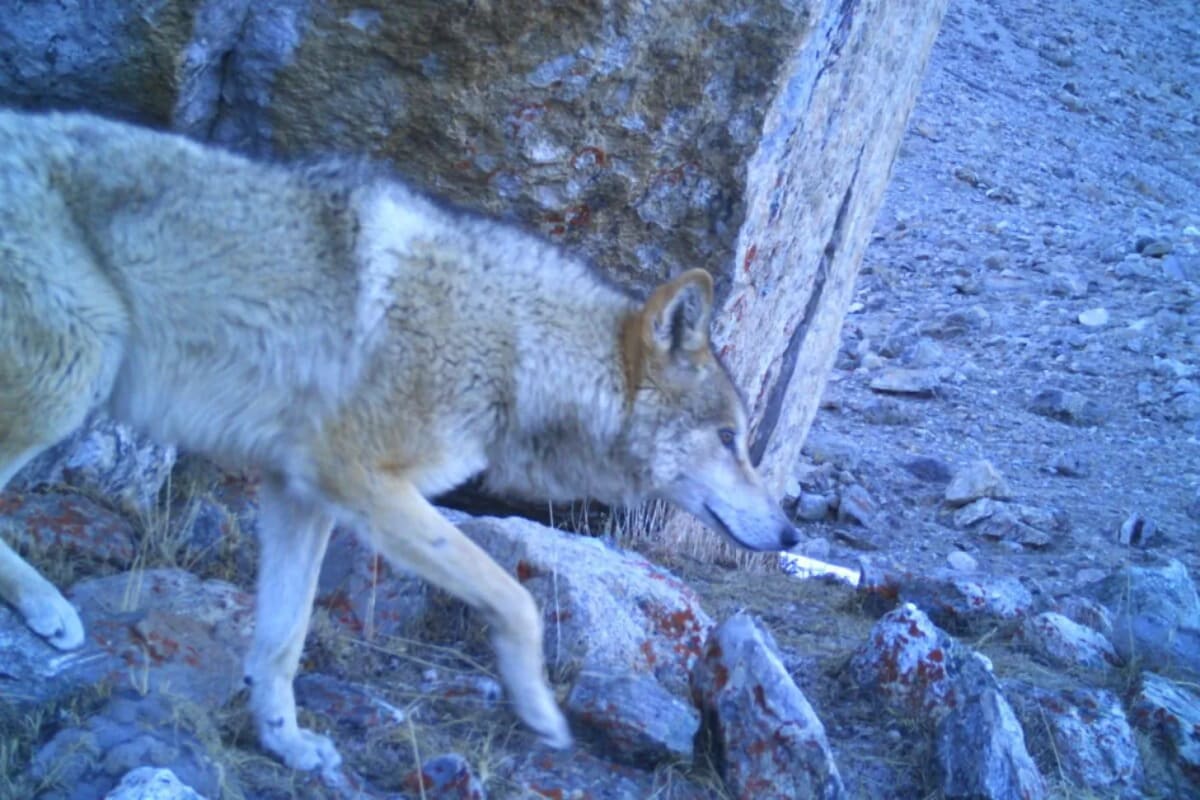
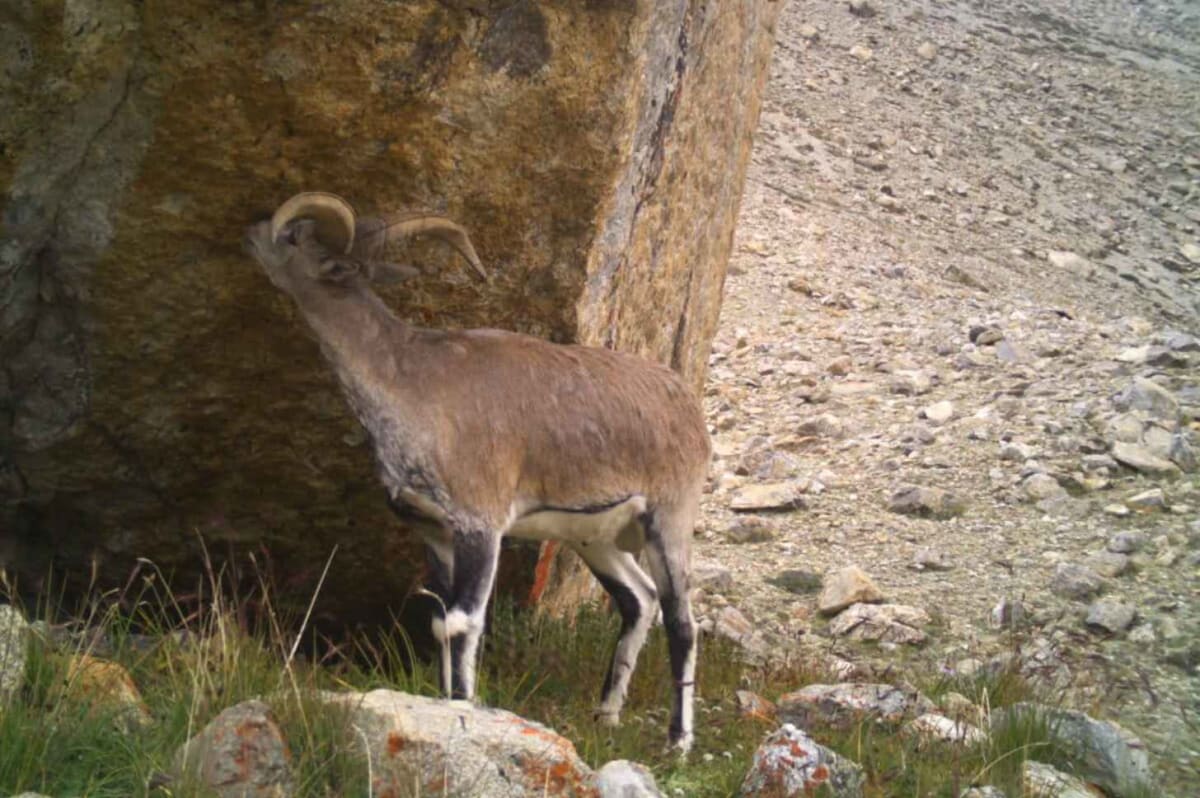
That assumption just got proven wrong. The same camera network has also photographed snow leopards, Pallas's cats, Tibetan wolves, sand foxes, gazelles, wild sheep, and kiang (Tibetan wild donkeys). "It is undeniable evidence that the Tso Lhamo Plateau supports a high-quality and largely intact trans-Himalayan predator-prey system," said Rishi Kumar Sharma, who leads WWF-India's Himalayas Program.
Tso Lhamo sits at a unique geographic crossroads. The plateau lies where the steep trans-Himalayan mountains meet the flatter Tibetan Plateau, creating what ecologists call an "ecotone," a boundary zone where two different biological worlds overlap.
Species adapted to sheer cliffs live alongside animals evolved for open steppes. That diversity explains why three distinct wild cats (snow leopard, Pallas's cat, and lynx) can coexist in the same landscape.
Why This Inspires
This discovery reminds us that wild places we barely understand are still out there, functioning beautifully without our help. High-altitude rangelands cover vast stretches of Asia, yet they've received far less scientific attention than forests or grasslands at lower elevations.
The lynx photo challenges a harmful narrative. When landscapes get labeled as barren or unproductive, they become easier to ignore or exploit. But these camera trap images reveal a different story: complex ecosystems supporting multiple predators and their prey at altitudes where most people can barely breathe.
Sikkim's Chief Conservator of Forests credited local communities for making the research possible. The Lachen Dzumsa, a traditional self-governance body, facilitated access to these remote areas. Their cooperation shows that conservation works best when it includes the people who've lived alongside these landscapes for generations.
Researchers still don't know if the lynx is a permanent resident or just passing through from Tibet. That uncertainty points toward the next chapter of this story: cross-border collaboration to understand how these animals move across political boundaries that mean nothing to wildlife.
For now, one thing is clear: life finds a way, even in the thinnest air on Earth.
More Images
Based on reporting by Good Good Good
This story was written by BrightWire based on verified news reports.
Spread the positivity!
Share this good news with someone who needs it