India Launches Project Rhino as Population Hits Record High
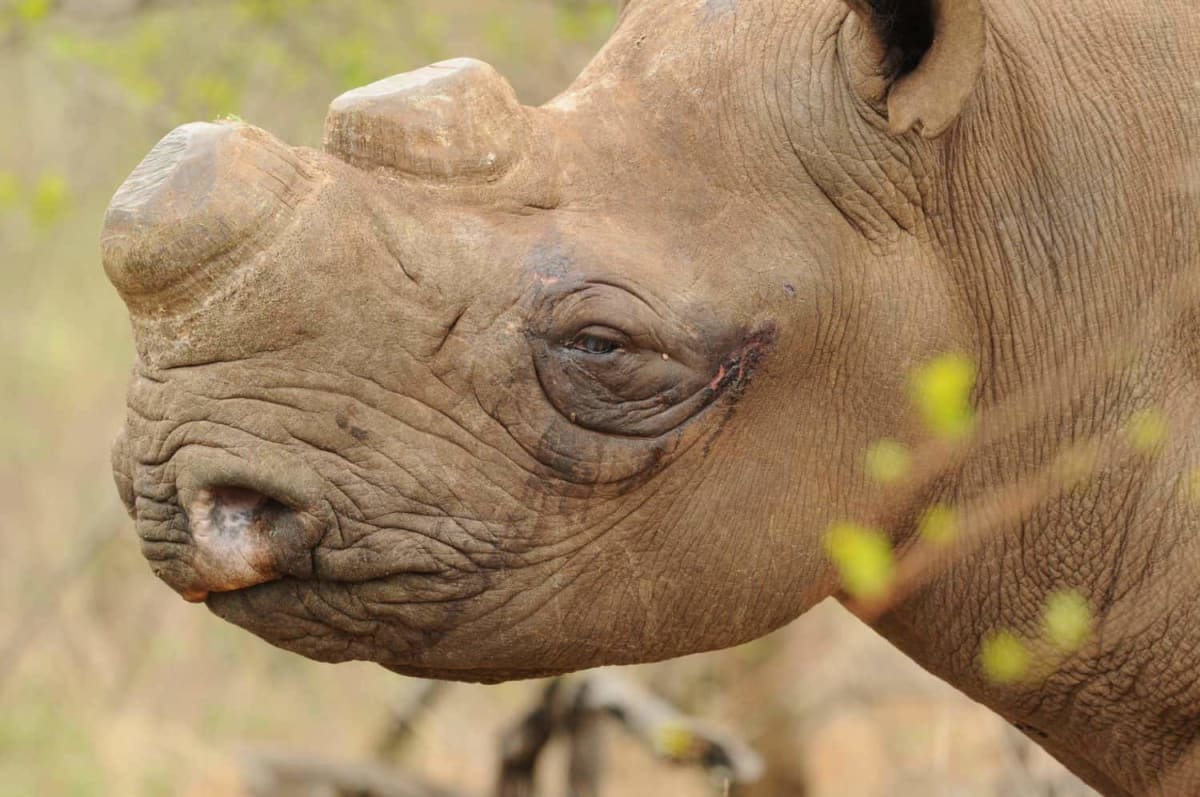
India just announced Project Rhino, a new conservation initiative protecting the greater one-horned rhinoceros after decades of success brought 80% of the world's population to one state. The program will provide financial and technical support to help rhinos thrive across multiple Indian states.
India is turning decades of conservation wins into an even brighter future for one of the world's most magnificent endangered species.
Prime Minister Narendra Modi announced Project Rhino on World Rhino Day, a dedicated initiative that will provide financial and technical support to states working to protect the greater one-horned rhinoceros. The program focuses on habitat management, genetic improvement, and understanding how rhino populations grow and thrive.
The announcement comes on the heels of extraordinary conservation success. Assam state now hosts nearly 80% of the world's entire greater one-horned rhino population, with Kaziranga National Park earning global recognition for effectively ending rhino poaching.
But the good news extends far beyond one state. Rhinos have successfully returned to areas in Bihar and West Bengal where they once disappeared. In Uttar Pradesh, the reintroduction of rhinos at Dudhwa National Park is making history as the animals settle into their new home.
This represents one of the most dramatic wildlife comebacks in modern conservation. The greater one-horned rhino once teetered on the edge of extinction, with populations dropping to just a few hundred in the early 20th century. Today, thanks to sustained protection efforts, thousands roam protected habitats across northern India.
The Ripple Effect
Project Rhino's impact reaches far beyond saving a single species. Protecting rhinos means preserving entire ecosystems including grasslands, wetlands, and forests that countless other species call home. When forest personnel patrol for rhinos, they're also safeguarding tigers, elephants, and hundreds of bird species.
The initiative also strengthens local communities. Wildlife tourism centered around rhino viewing creates jobs and brings income to rural areas, giving people economic reasons to support conservation. Success stories like Kaziranga prove that humans and wildlife can coexist when communities actively participate in protection efforts.
Modi praised the forest personnel and conservationists working on the frontlines of wildlife protection. Their daily dedication, often in challenging conditions, made this conservation triumph possible.
The expansion to multiple states shows India's commitment to not just maintaining current rhino populations but helping them grow and spread across historical ranges. Technical support will help states learn from Assam's successful anti-poaching strategies while adapting them to local conditions.
Project Rhino proves that when governments, conservationists, and communities work together with sustained commitment, even species once facing extinction can make remarkable comebacks.
More Images




Based on reporting by Google News - Conservation Success
This story was written by BrightWire based on verified news reports.
Spread the positivity!
Share this good news with someone who needs it