Ladakh Launches India's First Snow Leopard Safari
Starting this winter, travelers can spot snow leopards and rare Himalayan birds on India's first high-altitude wildlife safari in Ladakh. The new guided tours aim to protect fragile habitats while giving visitors an organized way to experience one of the world's most elusive big cats.
Imagine spotting a snow leopard padding through Himalayan peaks from the safety of a guided jeep. Starting winter 2026, that dream becomes reality as Ladakh launches India's first high-altitude wildlife safari.
The Union Territory administration has approved guided wildlife tours that will take visitors deep into snow leopard territory across some of Asia's most spectacular landscapes. Trained local drivers and guides will lead travelers through Hemis National Park, Changthang Wildlife Sanctuary, and Karakoram Wildlife Sanctuary in specially designed open-back vehicles.
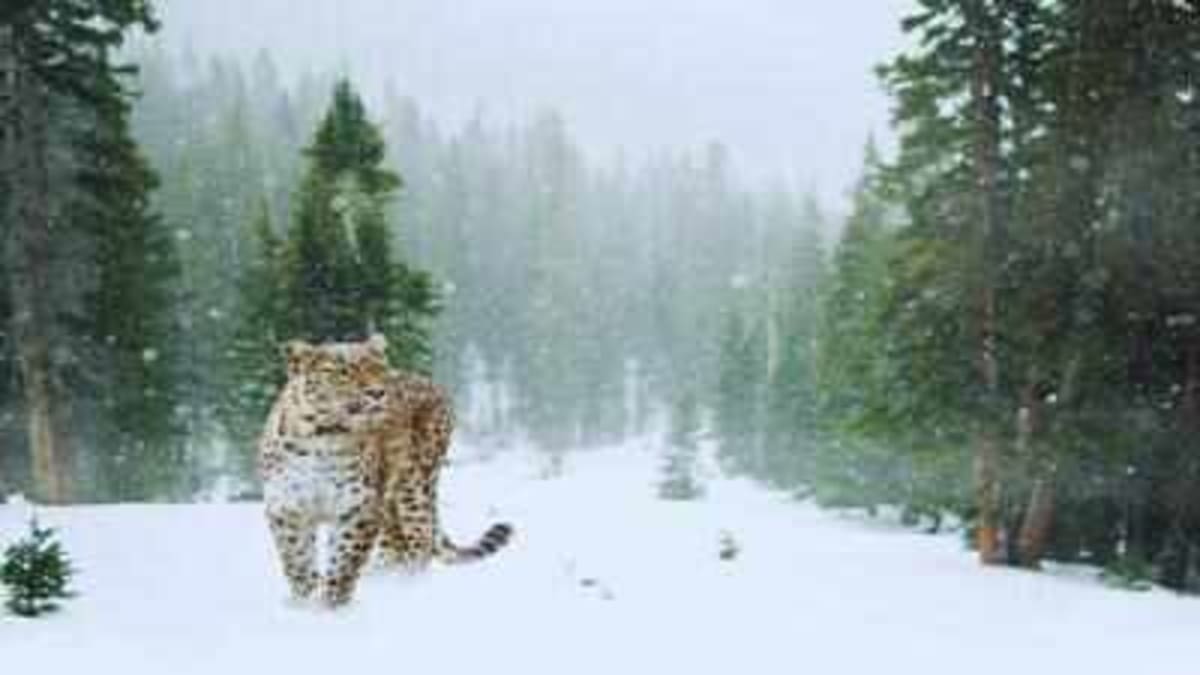
Snow leopards are the star attraction, and Ladakh hosts an impressive population. The region is home to an estimated 477 of these elusive cats, representing two-thirds of India's total snow leopard population of 718. Winter months from October through March offer the best chance to spot them against the snow.
But the safari experience goes far beyond one magnificent species. The region shelters over 38 mammal species, 340 bird species, and some 1,800 species of vascular plants across its high-altitude ecosystems.
For bird lovers, Ladakh is rolling out the welcome mat in a big way. The administration plans to train 20 local young people in bird identification and spotting techniques, while building 10 birdwatching hides at major hotspots. The black-necked crane, an iconic species of high-altitude wetlands, will get special promotional attention. Peak birdwatching season runs from May through September.
The Ripple Effect
The safari program tackles multiple challenges at once. By creating organized tours, authorities hope to reduce illegal off-roading that damages fragile ecosystems and disturbs wildlife. Local communities benefit through employment as trained guides and drivers, turning conservation into a livelihood.
The new tourism model offers travelers a guilt-free way to experience one of Earth's most pristine wilderness areas. Instead of damaging habitats through unregulated access, visitors can now support conservation efforts while getting closer to nature than ever before.
Getting to Ladakh is straightforward for most travelers. Leh serves as the main gateway, with regular flights from Delhi and other major Indian cities. Road warriors can take the scenic Srinagar-Leh highway (434 km) or the Manali-Leh highway (473 km). From Leh, safari routes will extend to areas including Hemis, Changthang, Nubra, Zanskar, Sham, Kargil, and Drass.
The administration hasn't yet announced final safari routes, entry fees, or the booking process, but services should be ready before the snow leopard season begins this winter.
For anyone who's dreamed of witnessing a snow leopard in the wild, Ladakh just became one of the most accessible places on Earth to make that dream come true.
More Images



Based on reporting by Times of India - Good News
This story was written by BrightWire based on verified news reports.
Spread the positivity!
Share this good news with someone who needs it