Living at High Altitudes May Lower Diabetes Risk
Scientists discovered why mountain living reduces diabetes risk: red blood cells act like sugar sponges in low-oxygen environments. The breakthrough could lead to new treatments for millions managing blood sugar.
Your red blood cells might hold the secret to better blood sugar control, and researchers just figured out how to unlock it.
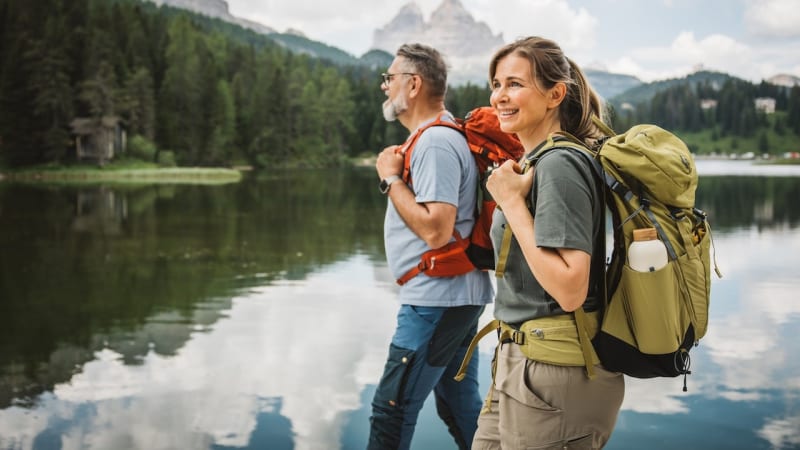
Scientists at the Gladstone Institutes in San Francisco discovered that living at high altitudes naturally lowers diabetes risk through a fascinating biological trick. When oxygen levels drop, red blood cells start absorbing massive amounts of glucose from the bloodstream, acting like tiny sponges that soak up sugar.
The team studied over 285,000 adults across the United States and found something remarkable. People living between 1,500 and 3,500 meters above sea level had significantly lower diabetes rates than those at sea level, even when accounting for diet, age, and ethnicity.
Lead researcher Dr. Isha Jain and her team initially couldn't figure out where the sugar was going in their experiments. They checked muscles, brains, and livers, but nothing explained the rapid glucose disappearance they observed in mice exposed to thin air.
The answer came through different imaging techniques that revealed red blood cells themselves were the missing piece. Under low-oxygen conditions, mice produced more red blood cells, and each cell absorbed far more glucose than normal.
The discovery goes beyond explaining mountain living benefits. Researchers developed an experimental drug called HypoxyStat that mimics this high-altitude effect. In lab tests, the medication completely reversed high blood sugar in diabetic mice.
Why This Inspires
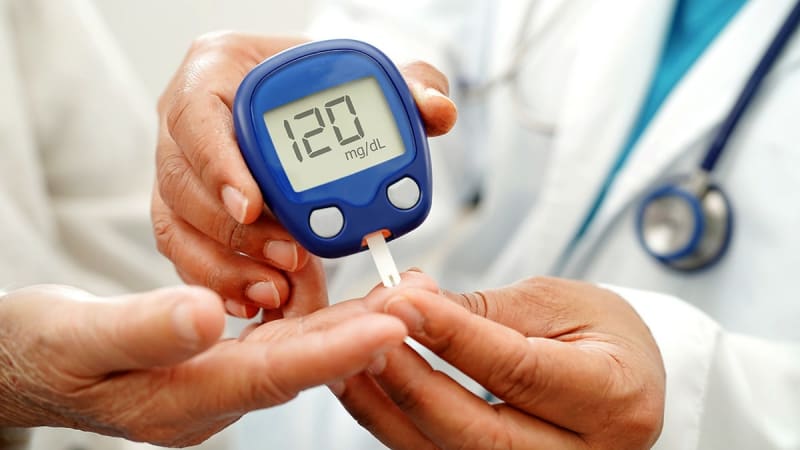
This breakthrough reframes how we think about blood sugar control. For decades, diabetes treatment focused on organs like the pancreas and liver. Now scientists have identified an entirely new system that could revolutionize care for the 37 million Americans living with diabetes.
The research opens doors for people who can't simply move to the mountains. If scientists can safely replicate this natural process through medication, millions could benefit from better blood sugar management without relocating their entire lives.
Dr. Jain's team acknowledges more research is needed, particularly in different populations and age groups. But the foundation is solid, and the potential is enormous.
Understanding how our bodies naturally adapt to different environments keeps revealing new paths to better health.
More Images

Based on reporting by Fox News Health
This story was written by BrightWire based on verified news reports.
Spread the positivity!
Share this good news with someone who needs it