NASA Tests New System to Manage High-Altitude Flight
NASA just successfully tested a system that could make high-altitude airspace safer and more accessible for aircraft bringing internet to remote areas and monitoring disasters. The breakthrough could open the door to life-saving humanitarian missions above 50,000 feet.
Imagine balloons and airships hovering 10 miles above Earth, beaming internet to villages without reliable service and spotting floods before they become deadly. NASA just moved that vision closer to reality.
The space agency successfully tested a new air traffic management system designed specifically for high-altitude flight, roughly 50,000 feet and above. Right now, managing aircraft at those heights is done manually and inconsistently, which makes it risky and difficult to scale up operations.
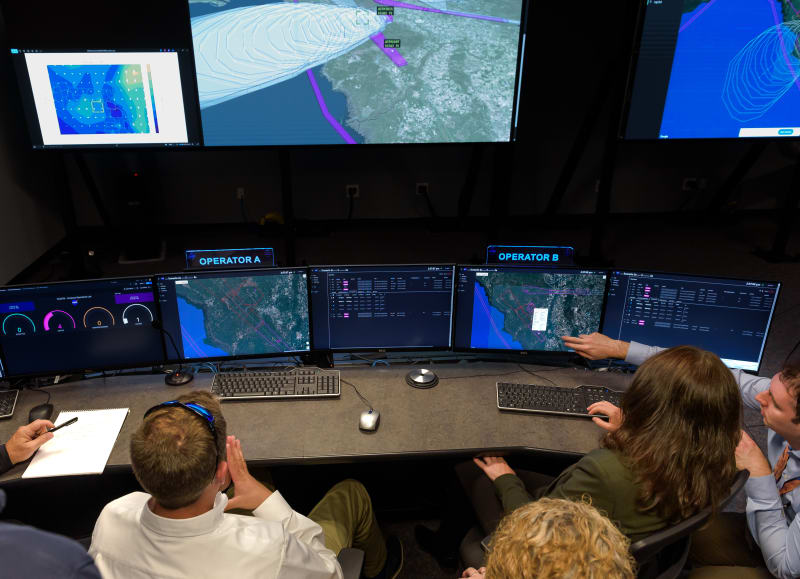
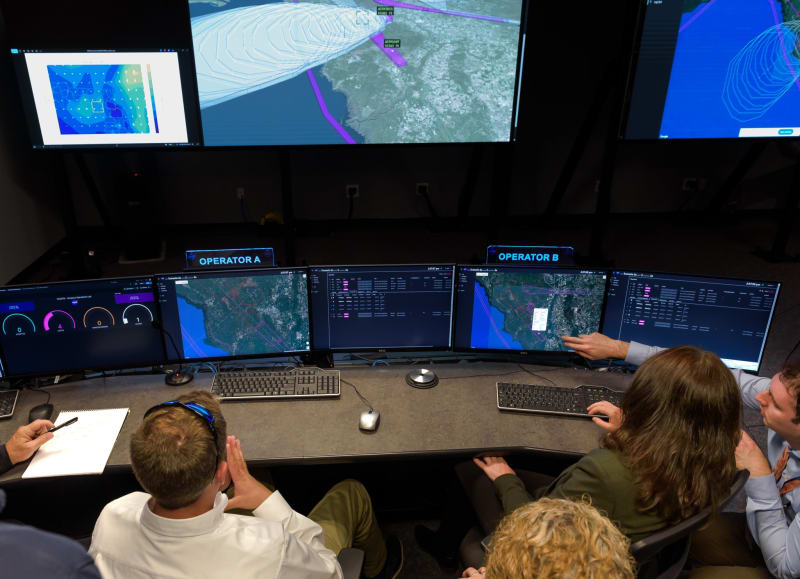
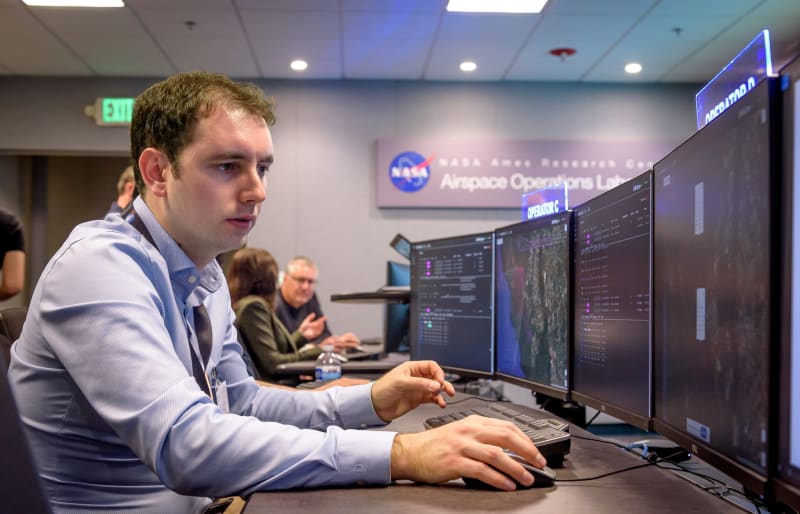
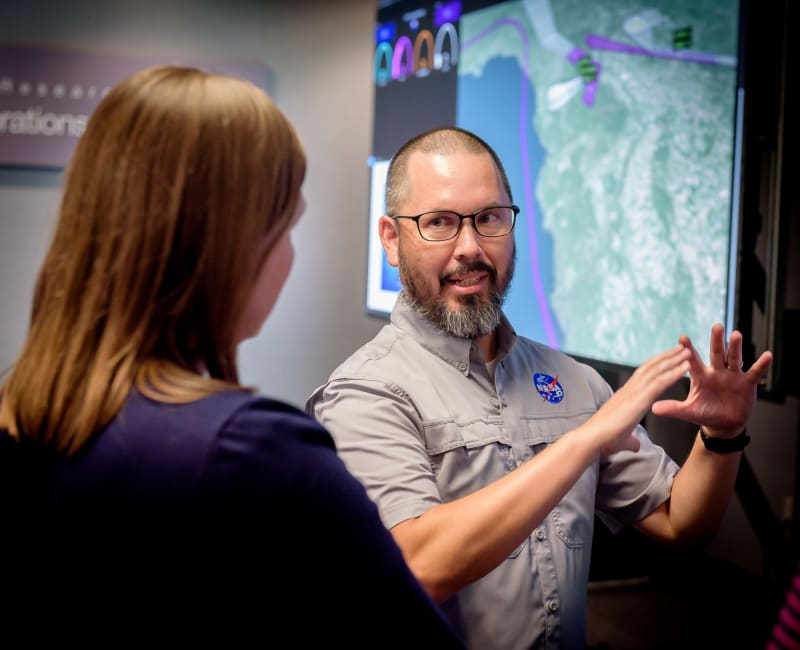
NASA's system changes that by letting multiple operators share live flight data, coordinate their plans, and spot potential conflicts before they happen. During a 2025 test at NASA's Ames Research Center in California, researchers worked with companies Aerostar and Sceye to simulate real operations across three states.
The breakthrough moment came when they successfully integrated live data from an actual Aerostar balloon floating 66,500 feet above South Dakota. Teams in California, South Dakota, and New Mexico all shared flight information in real time, proving the system could work across long distances with multiple operators.
Why does this matter? Aircraft that can stay in one region for extended periods, called station-keeping, offer huge potential for connecting underserved communities and monitoring natural disasters as they unfold. But without a reliable traffic management system, these missions remain limited and risky.
The Ripple Effect: Opening up high-altitude airspace safely could transform how we respond to emergencies and deliver essential services. Remote villages could finally get reliable internet connectivity. Disaster response teams could get early warnings about floods, wildfires, and other catastrophes, potentially saving countless lives.
NASA is now sharing its findings with the Federal Aviation Administration to help shape official guidelines for high-altitude operations. The work builds on decades of NASA innovations that have already made commercial flight safer and more efficient, from preventing accidents to enabling precision navigation.
The testing marked another first: researchers studied how operators make decisions when their planned flight paths overlap, insights that will help create essential safety rules for this new frontier. Each successful test brings the technology closer to real-world deployment for commercial, scientific, and humanitarian missions.
NASA plans to keep refining the system through continued partnerships with industry and the FAA. The goal is creating a framework that makes high-altitude airspace accessible to anyone with a mission that could benefit people on the ground, whether that's connectivity, disaster monitoring, or services we haven't even imagined yet.
More Images
Based on reporting by NASA
This story was written by BrightWire based on verified news reports.
Spread the positivity!
Share this good news with someone who needs it