MIT Robot Flies and Dives Using Same Wings Like Puffins
Engineers at MIT built a half-pound robot that soars through air and dives underwater using the same flexible wings, no extra hardware needed. Inspired by diving seabirds, this breakthrough could help monitor coastlines and study marine life.
Scientists just solved a puzzle that seemed impossible: building a robot that can fly through the air, then plunge underwater and swim, all with the same set of wings.
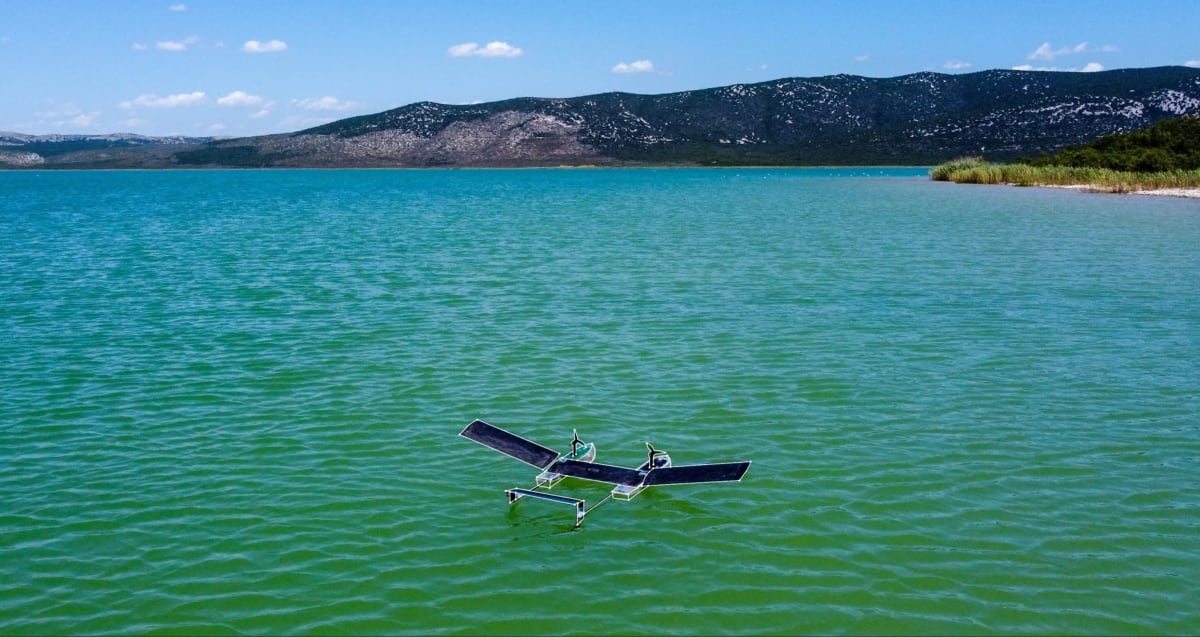
Researchers at MIT created a remarkable machine that mimics what puffins and other diving seabirds do naturally. The robot weighs just half a pound with a wingspan under three feet, yet it switches between flying and swimming in less than a second.
The challenge was enormous because air and water behave completely differently. "Thinking of a wing that could operate in both somewhat efficiently seems implausible," mechanical engineer Raphael Zufferey told NPR.
His team made bold choices to keep the design simple. They ditched legs entirely, even though many water birds need them to launch from the surface. Instead, the robot takes off straight from the water using wing power alone.
The wings themselves are clever works of engineering. Made from translucent nylon fabric reinforced with carbon fiber, they flex naturally instead of folding like real bird wings. That flexibility lets them work in both environments without adding complicated joints and motors.
The robot flaps five to six times per second in the air. When breaking through water, it cranks up to ten flaps per second to generate enough force. The central body stays open, with each component waterproofed individually so water floods right through, keeping it light enough to fly and perfectly balanced underwater.
In tests at Lake Geneva, the robot created barely a ripple before bursting through the surface into flight. It can fly nearly four miles or swim over a mile on a single charge.
The Ripple Effect
This robot could transform how we monitor our coasts. Imagine a machine that flies to remote locations, lands in the ocean, and collects data on algal blooms, marine life, or shoreline changes without needing a boat or helicopter.
Animal movement biologist Glenna Clifton, who wasn't involved in the project, called it "a beautiful robot" and a monumental achievement. She points out that the engineering teaches us about nature, while nature inspires better engineering.
The two-year project continues evolving. Future versions will carry sensors for environmental monitoring and feature even smoother transitions between air and water.
For Zufferey, nature proves what's possible. "You see that it has already been done in biology," he says. "So that gives you hope as a robotics researcher."
When puffins showed engineers the way, they created something that might help protect the very environments those birds call home.
Based on reporting by Google News - Science
This story was written by BrightWire based on verified news reports.
Spread the positivity!
Share this good news with someone who needs it