Himachal Farmers Choose Smarter Apples Over Artificial Ice
As winters warm and snow fails in Himachal Pradesh's apple belt, farmers are ditching risky artificial icing experiments for a better solution: choosing apple varieties that thrive with less winter chill. Scientists say this climate-smart approach protects trees and keeps India's apple supply strong.
Apple farmers in Himachal Pradesh are making a climate-smart choice that could protect India's favorite fruit for generations to come.
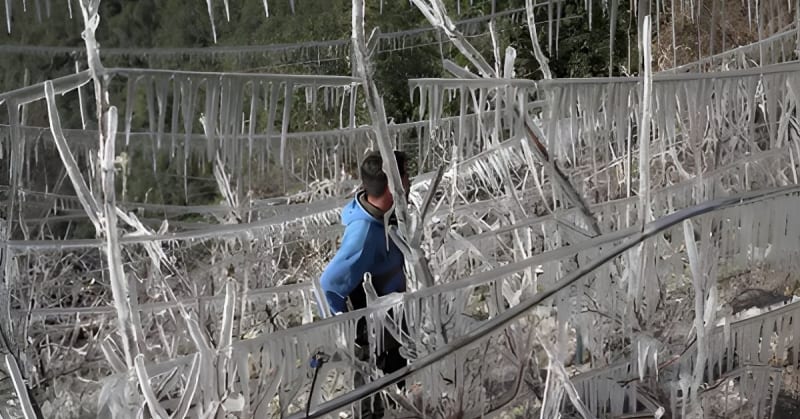
When snow failed to arrive this winter in Himachal's famous apple orchards, some desperate farmers turned on sprinklers and foggers to coat tree branches with artificial ice. They hoped the frozen layer would mimic the natural winter chill their trees needed to produce fruit.
Scientists quickly warned against the practice. The trees weren't just missing ice on their branches; they were missing something deeper.
Apple trees need a specific period of rest called dormancy, measured in "chilling hours" when temperatures stay between 0°C and 7°C. During this time, hormones inside the tree reset its growth cycle for spring flowering. Coating branches with ice can't replicate that internal process.
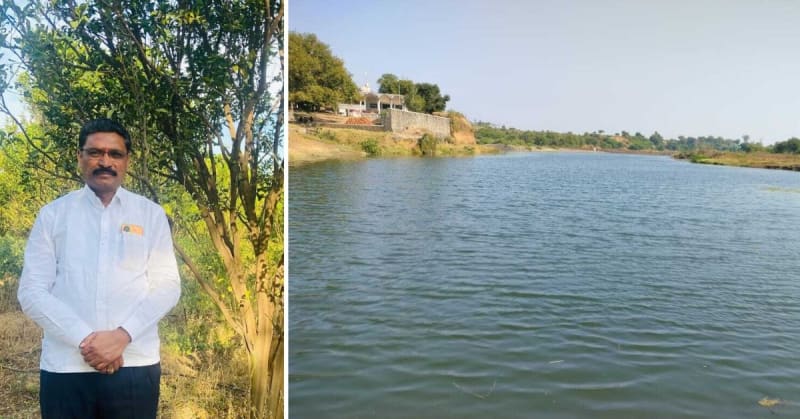
Colonel Divya Thakur, an organic apple farmer from Manali, sees the artificial icing trend as harmful. "The farmers who are doing this are axing their own feet by resorting to such shortcuts with nature," he says.
The ice can damage the delicate living tissue under the bark, kill buds, and invite disease. SP Bhardwaj, a former horticulture professor, agrees that frequent artificial frosting hurts production in the long run.
But farmers aren't helpless against warming winters. Thakur points to a proven solution: choosing apple varieties suited to the changing climate.
Golden Dorsett apples need only 100 to 200 chilling hours. Granny Smith requires around 400 hours, while Gala needs 500 to 700. The popular Royal Delicious demands up to 1,500 hours, making it vulnerable as winters shorten.
Why This Inspires
Farmers are already updating their knowledge and diversifying into varieties that can handle warmer conditions. They're improving soil nutrition, practicing scientific pruning, and helping trees shed leaves on time to prepare for dormancy naturally.
This approach protects not just individual orchards but India's entire apple supply chain. Himachal Pradesh supports hundreds of thousands of orchard families and feeds markets across the country.
Agricultural universities are conducting research to guide farmers toward climate-resilient varieties. The message is spreading: work with nature's changes, not against them.
When farmers choose smarter crop varieties instead of desperate quick fixes, everyone wins. Trees stay healthier, harvests remain steady, and the apples in your shopping bag keep coming at reasonable prices.
More Images
%2Fenglish-betterindia%2Fmedia%2Fmedia_files%2F2026%2F01%2F16%2Fapple-ice-2026-01-16-17-53-36.jpg)
%2Ffilters%3Aformat(webp)%2Fenglish-betterindia%2Fmedia%2Fmedia_files%2F2026%2F01%2F16%2Fapple-types-2026-01-16-17-58-12.jpg)
%2Ffilters%3Aformat(webp)%2Fenglish-betterindia%2Fmedia%2Fmedia_files%2F2026%2F01%2F16%2Fapple-harvest-2-2026-01-16-18-02-21.jpg)
Based on reporting by The Better India
This story was written by BrightWire based on verified news reports.
Spread the positivity!
Share this good news with someone who needs it