Hindu-Muslim Unity Thrives at 800-Year-Old Shiva Temple
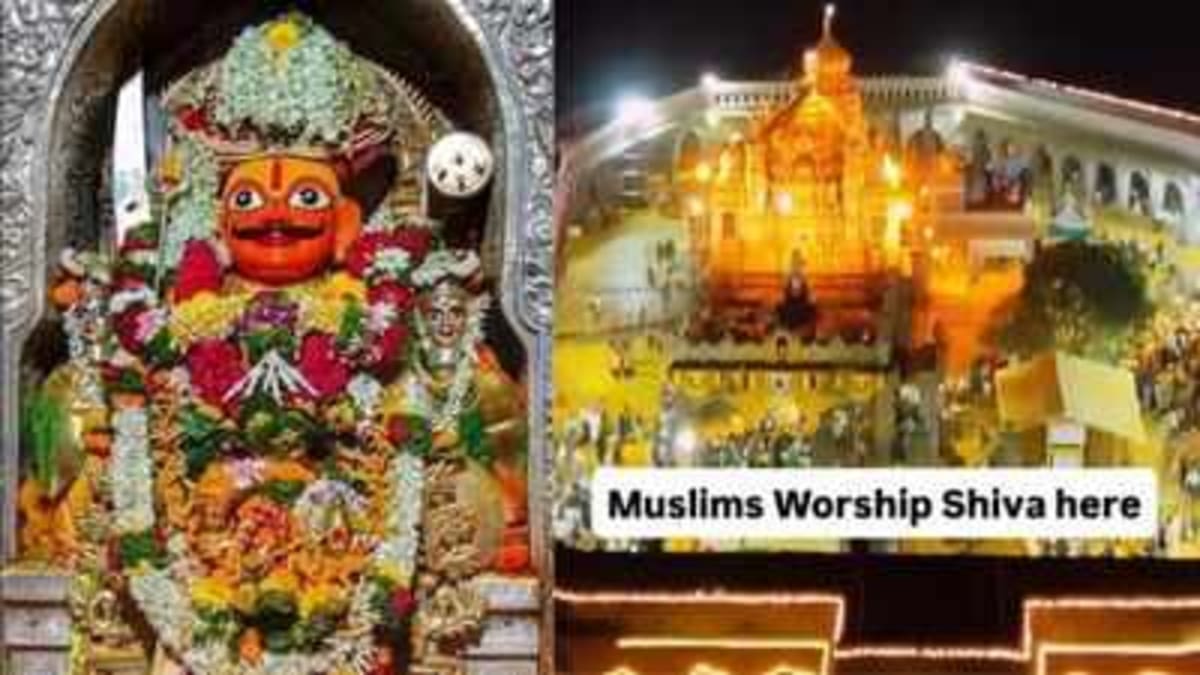
At Maharashtra's Jejuri Temple, Hindu and Muslim devotees worship side by side, creating one of India's most inspiring examples of religious harmony. The 800-year-old shrine dedicated to Lord Khandoba draws thousands from both faiths seeking blessings together.
In a hillside town 50 kilometers from Pune, something remarkable happens every day. Muslims and Hindus climb 200 stone steps together to pray at the same altar, seeking blessings from the same deity.
The Jejuri Temple, dedicated to Lord Khandoba (a warrior form of Lord Shiva), has welcomed both communities for centuries. Muslim families revere Khandoba as Ajmat Khan or Mallu Khan, participating in temple festivals and offering prayers for health and prosperity alongside their Hindu neighbors.
"Wo hai to sab hai" (He is everything) is the shared belief that unites worshippers here. The temple's origins trace back to the 12th or 13th century, though the current structure was renovated during the 17th-century Maratha period. It became a patron temple for warriors, farmers, and shepherds across religions.
The temple's history includes a fascinating connection to Mughal Emperor Aurangzeb. According to local folklore, when his soldiers attempted to destroy the temple, a massive swarm of honey bees attacked the army. Aurangzeh retreated and instead donated a large sum to the temple's preservation.
Today, Portuguese church bells hang in the temple complex, brought by Chimaji Appa after the Marathas defeated the Portuguese in 1739. These bells now call both Muslim and Hindu devotees to prayer.
During the annual Champa Shashthi festival in November or December, the temple transforms into what locals call the Golden Temple of Maharashtra. Devotees shower the shrine with turmeric powder until golden clouds fill the air and coat the hillside.
The Ripple Effect
Jejuri Temple demonstrates that sacred spaces can unite rather than divide. In a region where religious tensions sometimes flare, this 800-year-old shrine proves that shared devotion creates lasting bonds between communities.
Local families from both faiths have worshipped here for generations, creating friendships that extend beyond the temple walls. Children grow up seeing their neighbors' faith respected and celebrated, learning coexistence through lived example rather than lectures.
The temple receives thousands of visitors yearly who come not just for blessings but to witness this rare harmony. Many leave inspired to build similar bridges in their own communities.
In a world that often highlights division, Jejuri stands as proof that unity is possible when people focus on shared values rather than differences.
More Images



Based on reporting by Times of India - Good News
This story was written by BrightWire based on verified news reports.
Spread the positivity!
Share this good news with someone who needs it