Hiroshima Beach Sand Reveals New Metal Alloy After 81 Years
Scientists discovered a never-before-seen metal alloy in tiny particles preserved in Hiroshima's beach sand, formed by the intense heat of the 1945 atomic blast. The find opens new doors for materials science and shows how extreme conditions can create materials impossible to make in laboratories.
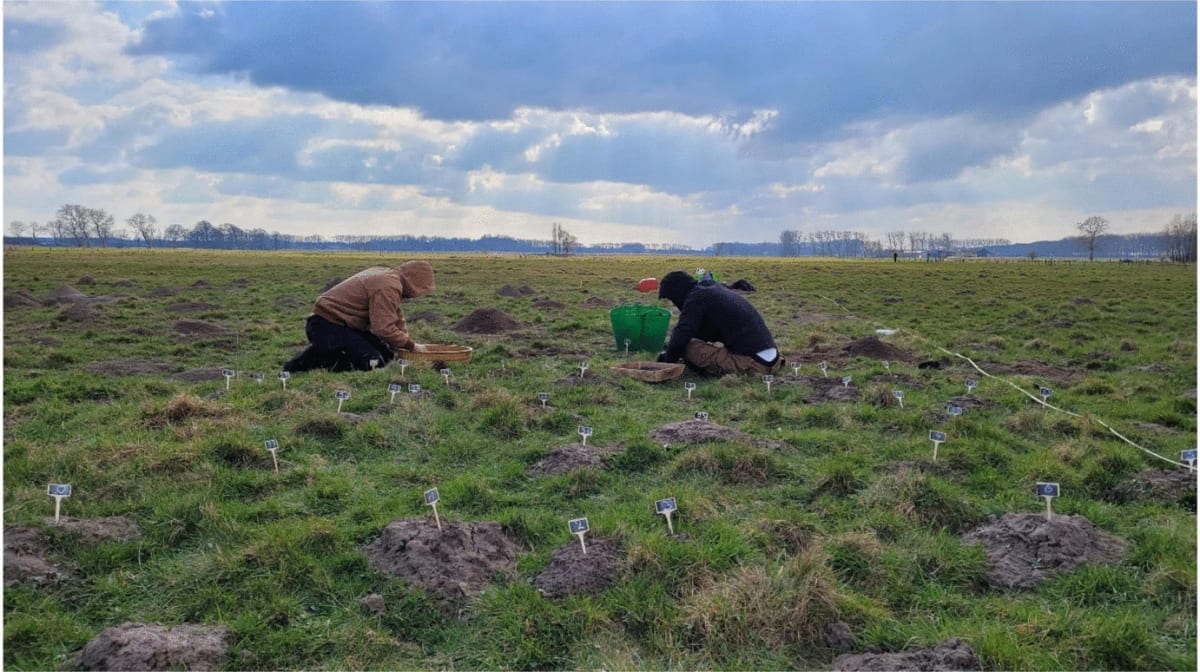
Almost 81 years after the atomic bombing of Hiroshima, the shoreline is still revealing scientific surprises that could shape the future of materials research.
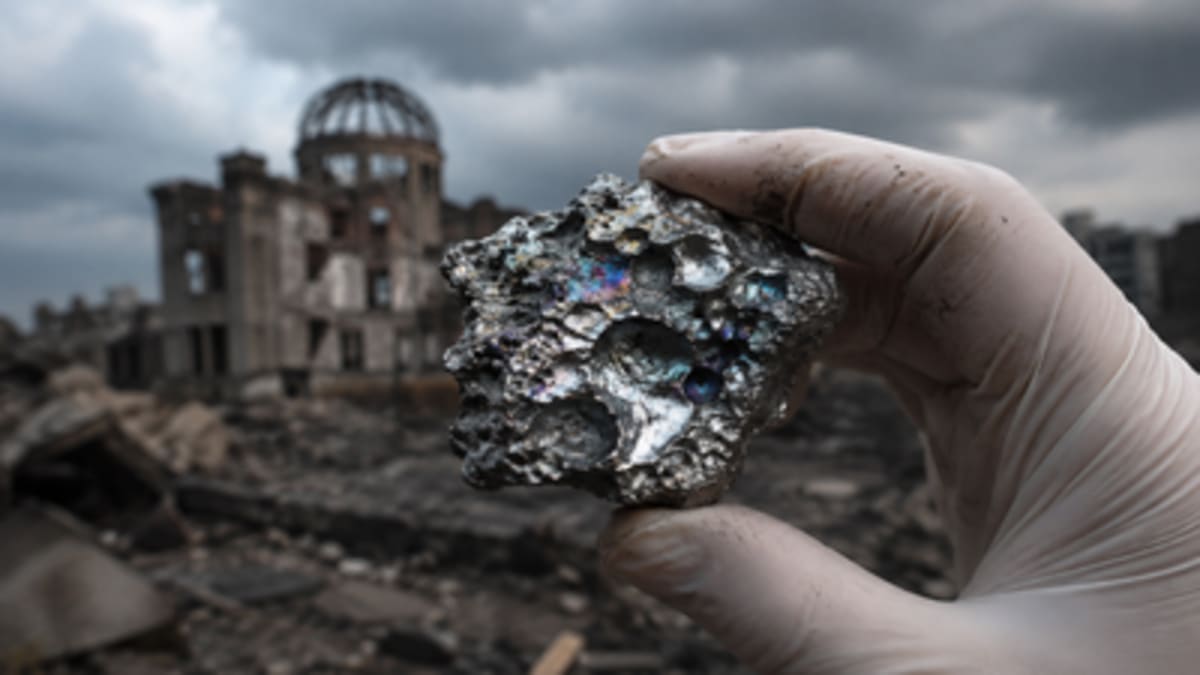
Scientists examining microscopic particles in beach sand from Hiroshima Bay discovered a previously unknown metal alloy, created when the atomic blast vaporized buildings and metals at temperatures exceeding 7,000°C. The finding, published in Science Advances, came from studying 34 samples of "hiroshimaites," tiny fragments that formed as the fireball rapidly cooled.
One particle stood out from the rest. Unlike the familiar iron-chromium alloys found in other samples, this grain contained an unusual combination of iron, chromium, nickel, manganese, molybdenum, silicon, and aluminum arranged in a way never documented before.
The alloy's crystal structure is equally unique. It crystallized in an ordered pattern that differs from conventional stainless steel, suggesting the particle formed from a single molten droplet that cooled so rapidly its atoms locked into an unexpected arrangement.
Researchers believe the blast created conditions almost impossible to recreate in laboratories. The fireball vaporized concrete, soil, glass, and metal into an expanding cloud, and as it cooled, different elements condensed and solidified in microseconds.
This ultrafast cooling prevented atoms from settling into their typical structures, allowing entirely new metallic phases to emerge. The alloy's uniform chemical composition confirms it wasn't simply a pre-existing material that survived the explosion intact.
Why This Inspires
This discovery matters far beyond understanding what happened in 1945. The unusual alloy provides researchers with a real-world example of how extreme environments can stabilize crystal structures that don't normally exist in nature or industry.
Scientists are already interested in complex multicomponent alloys because certain combinations can deliver exceptional strength, corrosion resistance, and thermal stability. The Hiroshima particle points toward unexplored regions of alloy design that could inspire future laboratory experiments.
Similar discoveries from nuclear test sites, including an unusual quasicrystal found in debris from the Trinity test, suggest these extreme events create materials that rarely form through conventional processes. Each finding expands what scientists know about how matter behaves under conditions that push the boundaries of physics.
The particles also preserve detailed records of the temperatures, mixing processes, and cooling rates during nuclear explosions. This information contributes to both materials science and nuclear forensics, offering insights that textbooks and simulations cannot fully capture.
What began as a tragedy continues to teach us about the fundamental nature of matter, showing how even the darkest moments in history can illuminate paths toward scientific understanding and future innovation.
More Images



Based on reporting by Google News - Scientists Discover
This story was written by BrightWire based on verified news reports.
Spread the positivity!
Share this good news with someone who needs it