Historic High Seas Treaty Now Protects Half the Planet
After 20 years of negotiations, a groundbreaking treaty is protecting two-thirds of the ocean that belongs to no single country. The agreement gives developing nations a fair share of ocean resources while creating the first legal framework to safeguard nearly half of Earth's surface.
Almost half our planet had no legal protection until this year, but that just changed in a massive way.
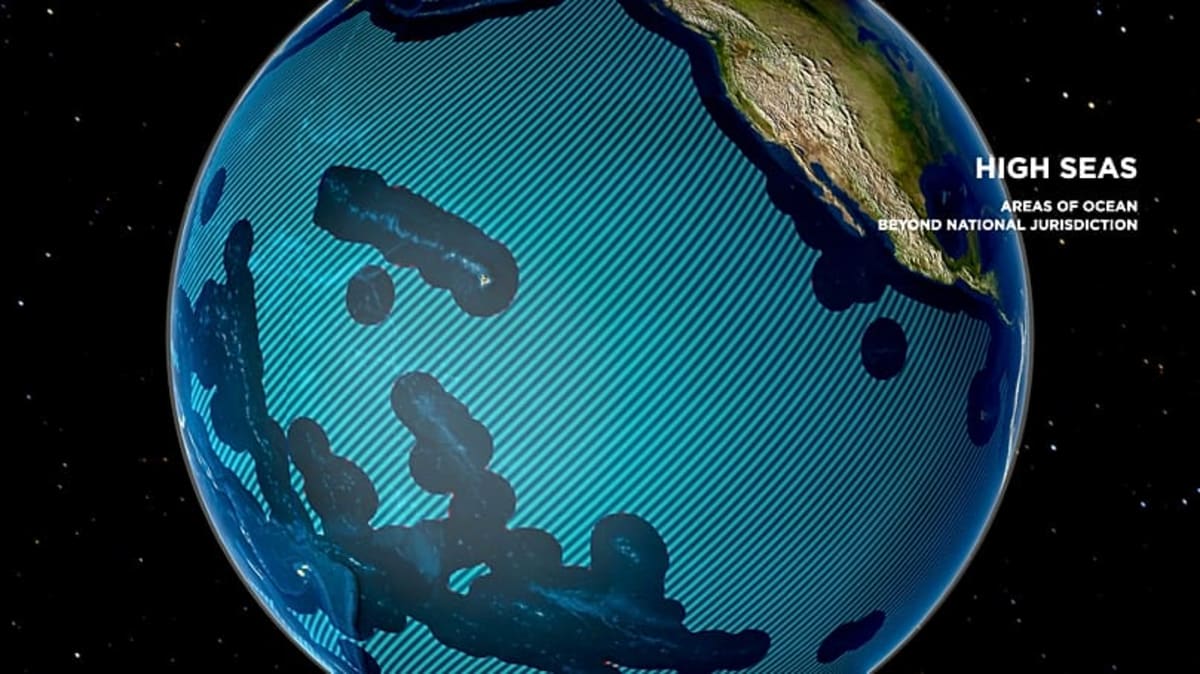
The High Seas Treaty became international law in January 2026, creating the first binding agreement to protect ocean waters beyond any country's borders. These international waters cover two-thirds of the global ocean, an area so vast it's hard to imagine.
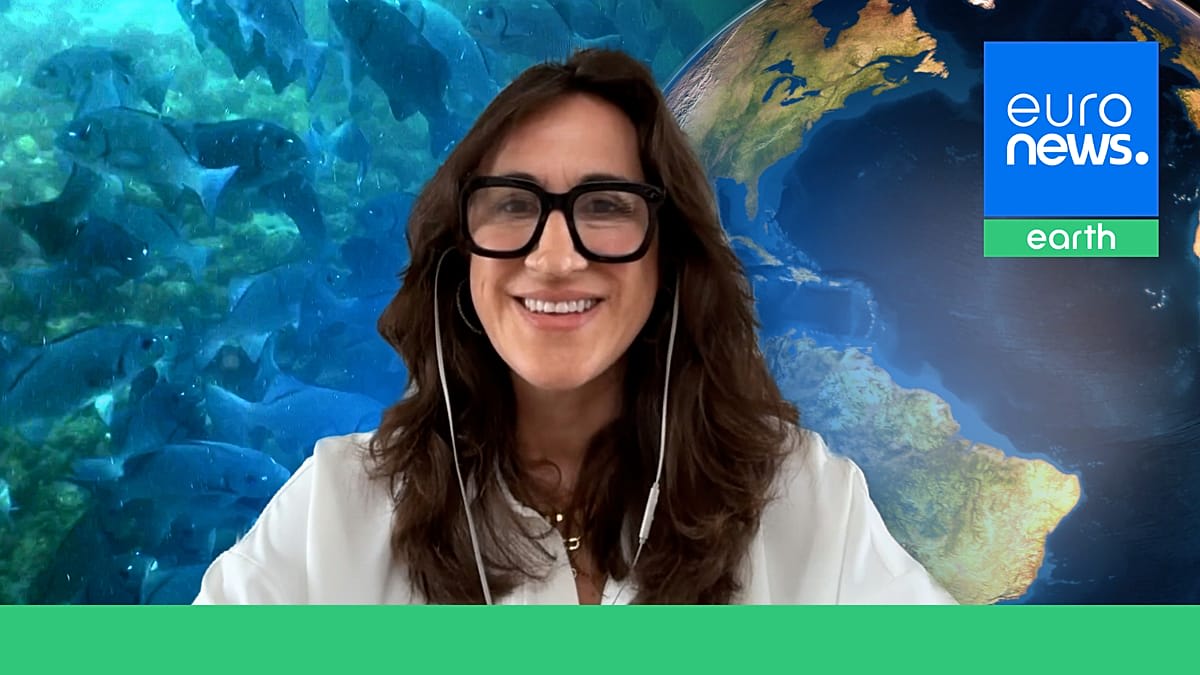
"It belongs to all of us," says Nathalie Rey, Senior Strategy Advisor at the High Seas Alliance. "So we all have this responsibility to look after it."
The high seas begin about 370 kilometers from shore, roughly the distance between London and Paris. Until now, nobody was specifically in charge of protecting this enormous area, even though scientists discover around 2,000 new species there every year.
Getting here took serious persistence. Over 190 countries spent more than two decades negotiating the treaty, with a global pandemic adding several years of delay. The final text was agreed in 2023, and within just two years, 60 countries had ratified it, allowing it to take effect. That's lightning fast for international law, which can sometimes take a decade.
"It just shows how much political support is behind this treaty," Rey explains. As of now, 89 countries have signed on.
Before this treaty, ocean governance was scattered across different organizations handling shipping, fishing, and other activities. But their job was managing use, not protection. Meanwhile, threats kept growing: overfishing, plastic pollution, climate change, and even potential deep-sea mining, all happening in waters with no overarching legal shield.
The Ripple Effect
The treaty creates practical tools that change everything. Countries can now officially propose and enforce marine protected areas on the high seas, something that was legally murky before. Any potentially harmful activity now requires an environmental impact assessment first.
But there's another win that gets less attention: fairness. Developing countries will finally get equal access to benefits from the global ocean, including valuable genetic resources from deep-sea organisms that can lead to medical breakthroughs. Until now, only wealthy countries and companies with the technology to reach these depths saw the profits.
The agreement also commits to helping developing nations build their own capacity for marine research and protection. Enforcement might sound tricky across such vast waters, but satellite monitoring technology now makes it possible to track fishing and other activities remotely.
The Mediterranean offers a perfect test case. Despite covering less than one percent of the global ocean, it hosts 18 percent of known marine species. Its governance has been fragmented for years, making this unified approach especially valuable.
France helped lead the charge, pushing for the treaty's completion at the UN Ocean Conference it hosted in 2025, though many countries joined the effort. The speed from agreement to enforcement shows what's possible when the world decides something matters.
After two decades of work, the ocean that belongs to everyone finally has the protection it deserves.
More Images
Based on reporting by Euronews
This story was written by BrightWire based on verified news reports.
Spread the positivity!
Share this good news with someone who needs it