Malaysia Bans All E-Waste Imports, Stops Toxic Trade
Malaysia just slammed the door on toxic electronic waste entering its borders, protecting communities from illegal recyclers who were poisoning the air. The country is now sending thousands of tons of smuggled trash back where it came from.
Residents near Malaysia's Port Klang can finally breathe easier after the country banned all electronic waste imports in April 2026.
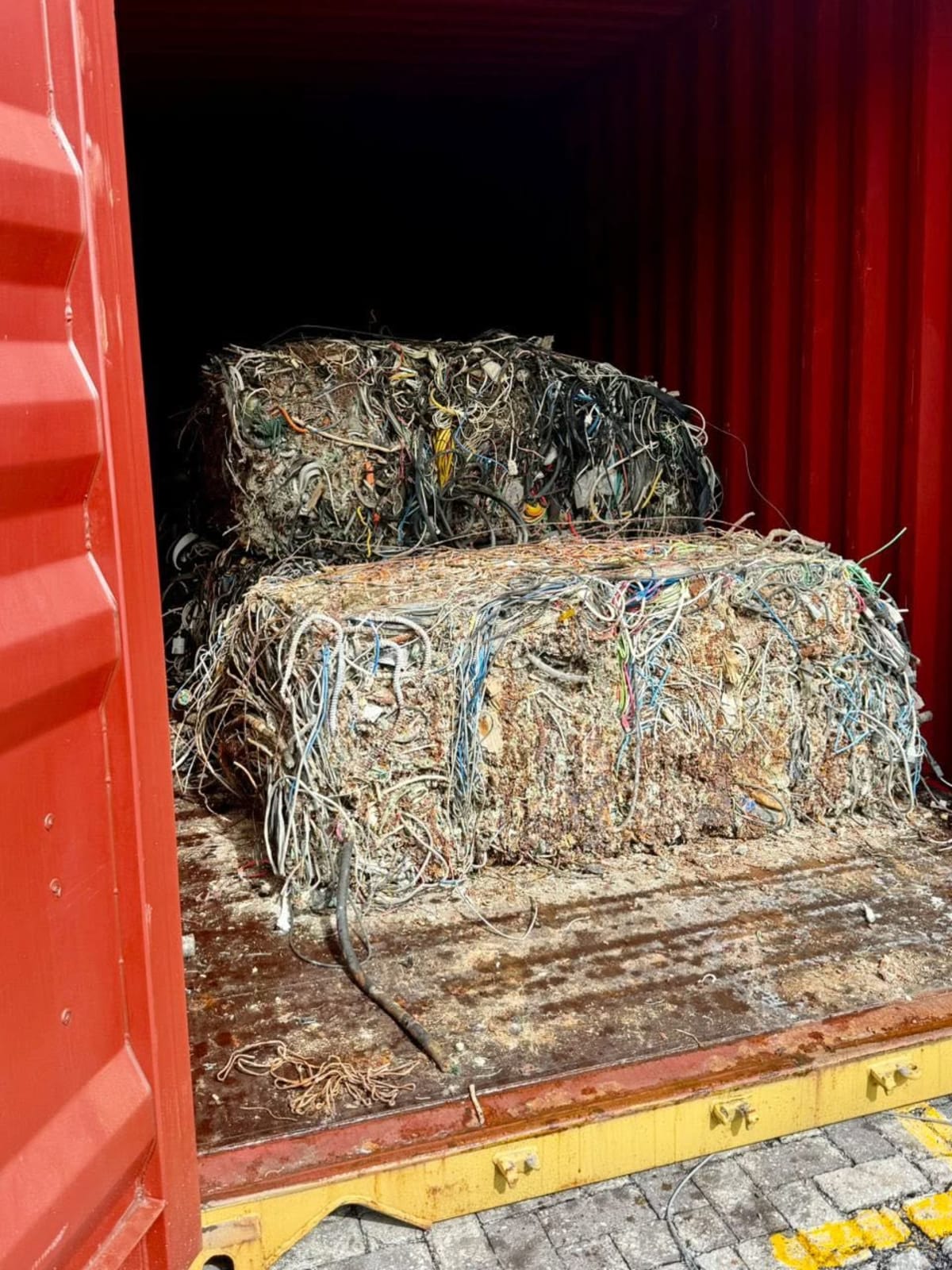
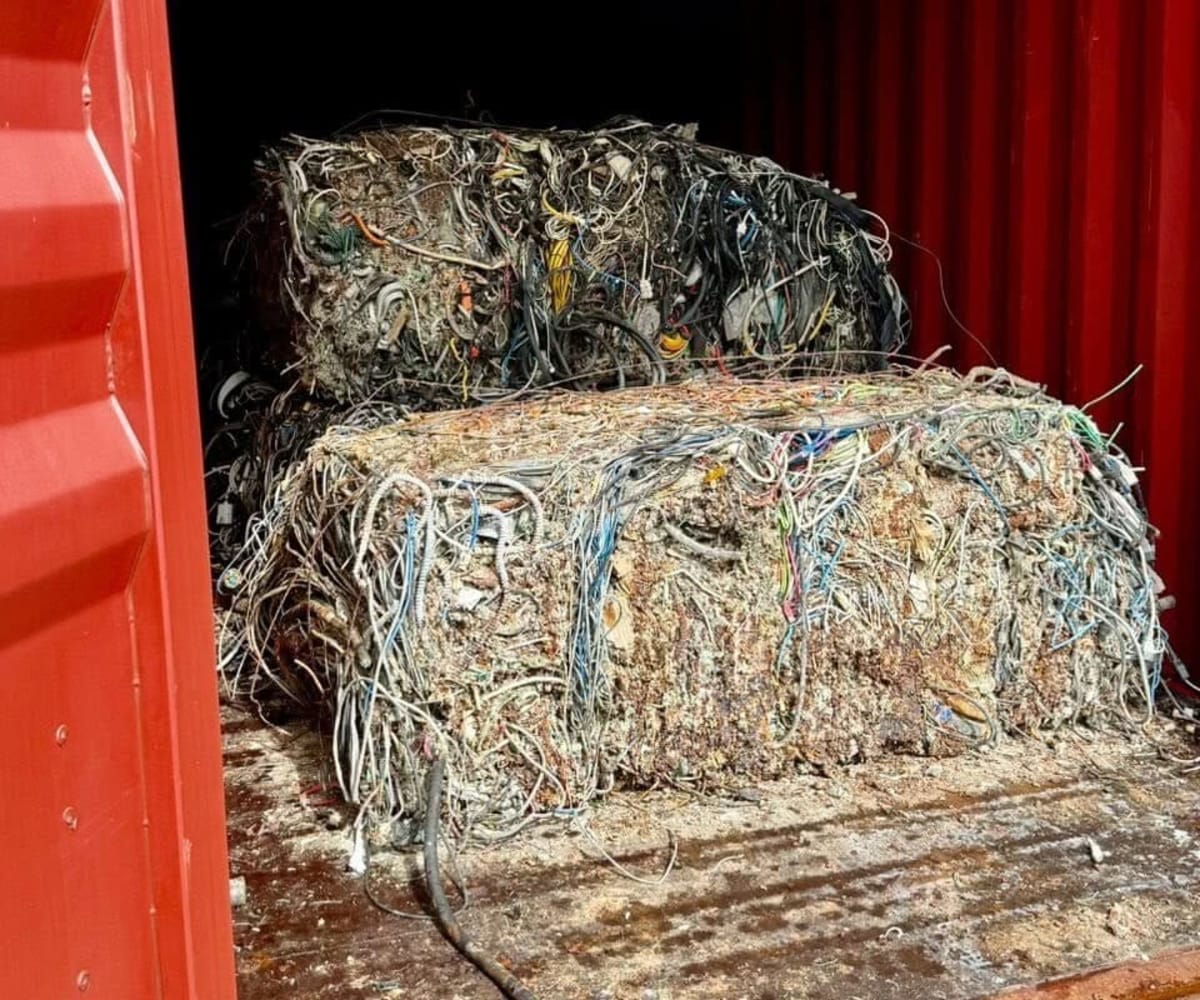
For years, illegal recycling yards used fake paperwork to smuggle toxic electronics into Malaysia, then burned the plastic components to extract valuable metals. The process released mercury, cadmium, and lead into the air, creating a stench so intense that nearby residents struggled to breathe.
The new law shuts down this dangerous black market completely. No more loopholes, no more exceptions, no more containers of toxic waste disguised as legitimate raw materials.
A specialized task force called Op Green Shield is already making progress. Between January and July 2026, inspectors examined 685 shipping containers at Port Klang and sent more than 3,000 metric tons of e-waste back to the countries that shipped it.
That's no small feat when you consider Port Klang processes about 3.2 million containers in just five months. Finding the illegal waste is like searching for needles in a massive haystack, but the team is getting it done.
The Ripple Effect
The ban is transforming Malaysia's entire recycling industry for the better. Legal recyclers who played by the rules now have a fair shot at competing, rather than losing business to illegal operators who cut corners and cherry-picked the most valuable components from imported trash.
Mohamed Tarek El-Fatatry, who founded a local recycling facility called Electronic Recycling Through Heroes, celebrates the change. His company can now focus on recycling Malaysia's domestic electronic waste instead of competing with smuggled materials.
The timing matters too. Malaysia became a dumping ground for the world's e-waste partly because major exporters like the United States never signed the Basel Convention, an international treaty regulating hazardous waste trade.
Now Malaysia is taking control of its own environmental future, regardless of what other countries do. The country has enough electronic waste of its own to recycle without importing anyone else's toxic trash.
Communities near recycling sites get cleaner air, legal businesses get fair competition, and Malaysia shows the world that protecting people matters more than being convenient for wealthy nations looking to dump their problems elsewhere.
More Images
Based on reporting by Mongabay
This story was written by BrightWire based on verified news reports.
Spread the positivity!
Share this good news with someone who needs it