Home Robot That Folds Laundry Costs Under $8K
A San Francisco startup just launched a wheeled home robot that can fold your laundry, make your bed, and tidy up for less than the price of a used car. Meanwhile, robots are getting smarter faster as companies race to build machines that learn like humans.
Robots that can actually help around the house just became real and surprisingly affordable.
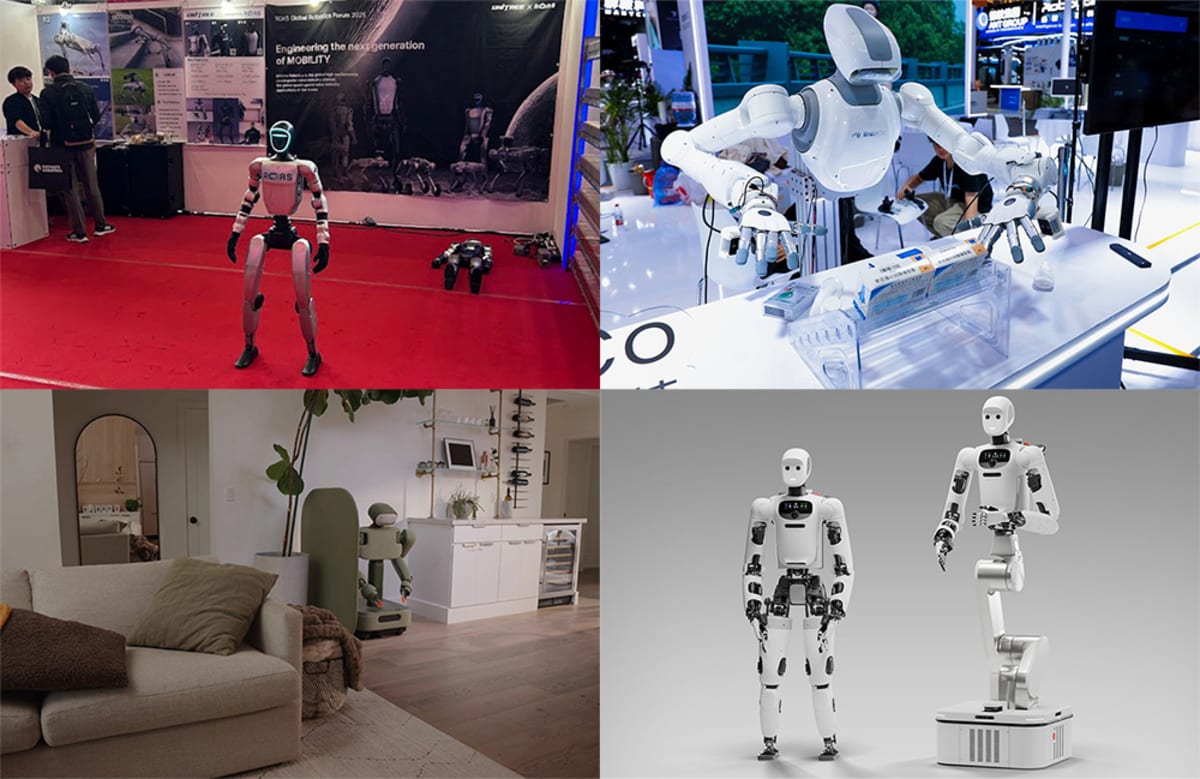
Weave Robotics unveiled Isaac 1, a wheeled humanoid designed to tackle everyday chores like folding laundry, making beds, and putting away toys. The San Francisco startup is selling the home helper for $7,999 upfront or $449 per month, putting household robotics within reach for regular families.
July 2026 marked a turning point for the robotics industry. Companies raised billions of dollars while unveiling breakthrough technologies that bring us closer to truly helpful robots.
AI² Robotics secured $735 million in funding, pushing the Chinese company's valuation to $2.8 billion. Walden Robotics emerged from stealth mode with $300 million to build robots that learn and improve while doing real work.
The real excitement centers on how robots are learning. London-based Humanoid introduced KinetIQ Ascend, a training approach that promises 99.9% reliability at human speed for delicate tasks. Think of it as teaching robots through practice rather than just programming every single movement.
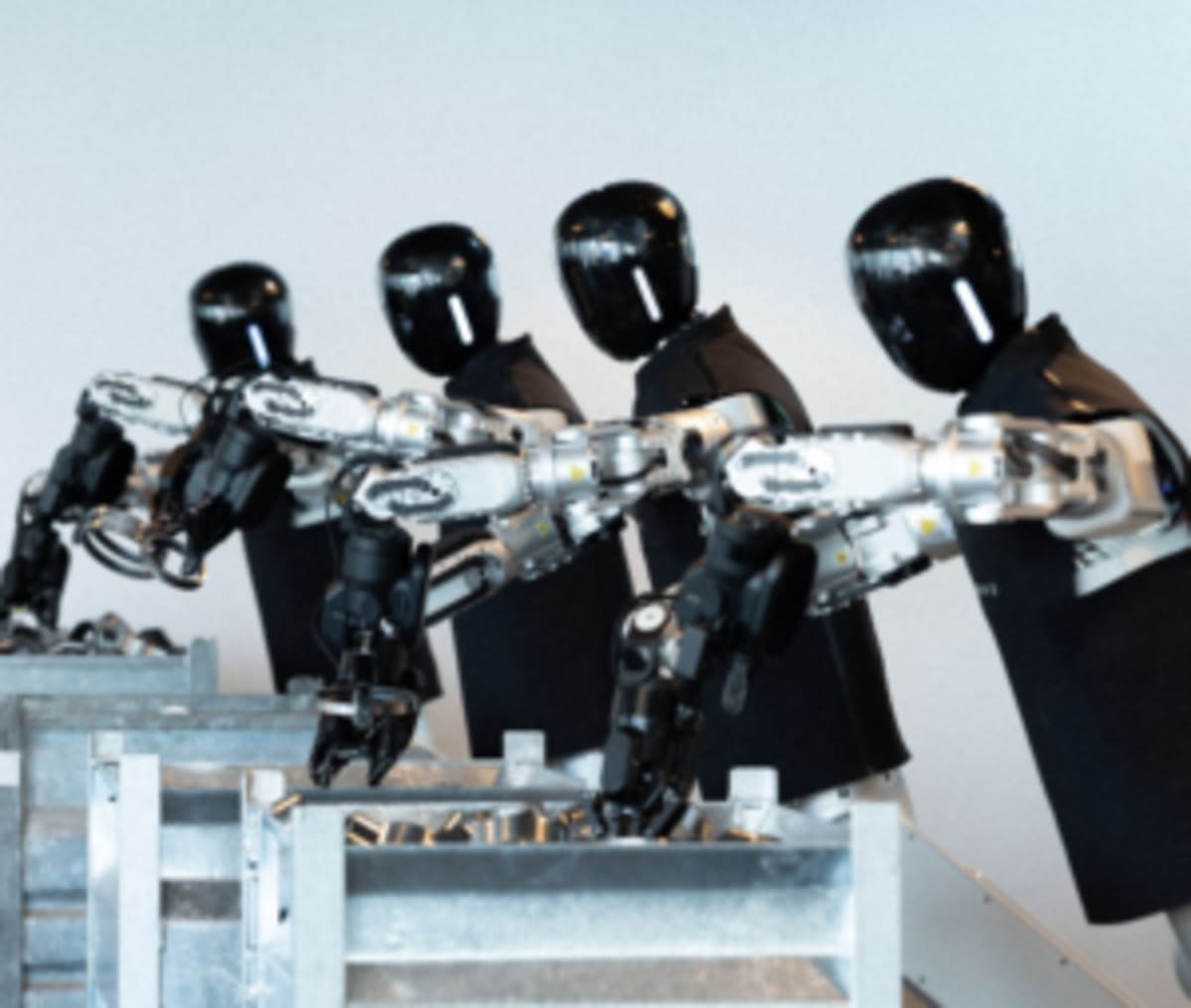
Apptronik opened Robot Park in Austin, Texas, a dedicated facility where humanoid robots train for real-world tasks. The company also launched Apollo 2, an updated version of its humanoid worker.
The most eye-catching demonstration came from BrainCo at the World Artificial Intelligence Conference. Someone wearing a lightweight headset simply thought about grabbing a cap, and a robotic arm immediately performed the action. The brain-computer interface platform turns neural signals directly into robot movements.
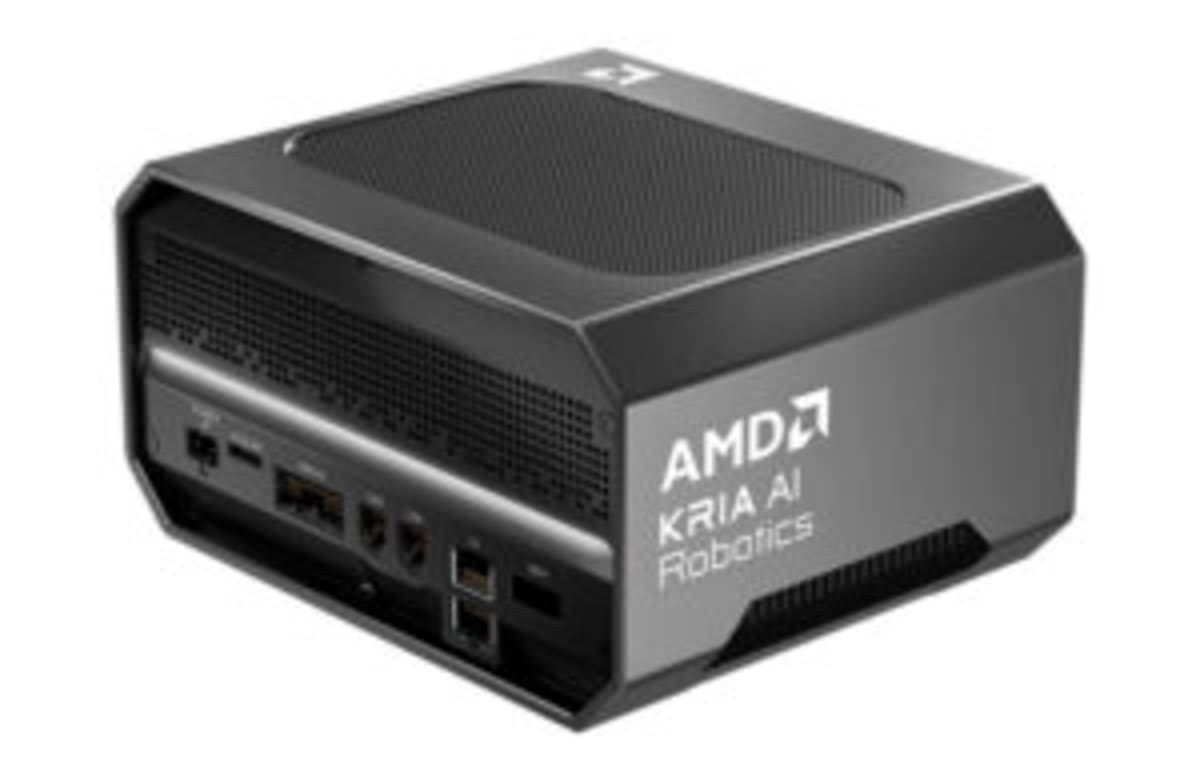
Behind the scenes, AMD challenged the chip industry with new robotics processors promising better performance than current leaders. The hardware improvements mean smarter robots that respond faster and handle more complex tasks.
The Ripple Effect
These advances arrived as the U.S. government announced import restrictions on certain foreign-made humanoid and mobile robots. The Federal Communications Commission cited national security concerns, spotlighting how important robotics has become to economic and strategic competition.
The restrictions haven't slowed innovation. Instead, they've highlighted the global race to develop robots that can work alongside humans safely and effectively. Companies are moving beyond simple automation toward machines that adapt to changing environments and learn from experience.
Virtual training facilities are becoming as important as physical factories. Before robots ever touch real objects, they practice millions of times in digital simulations, learning to handle the unpredictable situations they'll face in homes and workplaces.
The progress reflects a fundamental shift in robotics. Instead of programming every possible scenario, developers now create robots that perceive their surroundings, understand context, make decisions, and improve over time.
For everyday people, it means household chores and physical tasks could soon get real help from machines that cost less than a new car and improve the longer you own them.
More Images
Based on reporting by The Robot Report
This story was written by BrightWire based on verified news reports.
Spread the positivity!
Share this good news with someone who needs it