Home Solar Systems Now Power AI While Earning Owners Cash
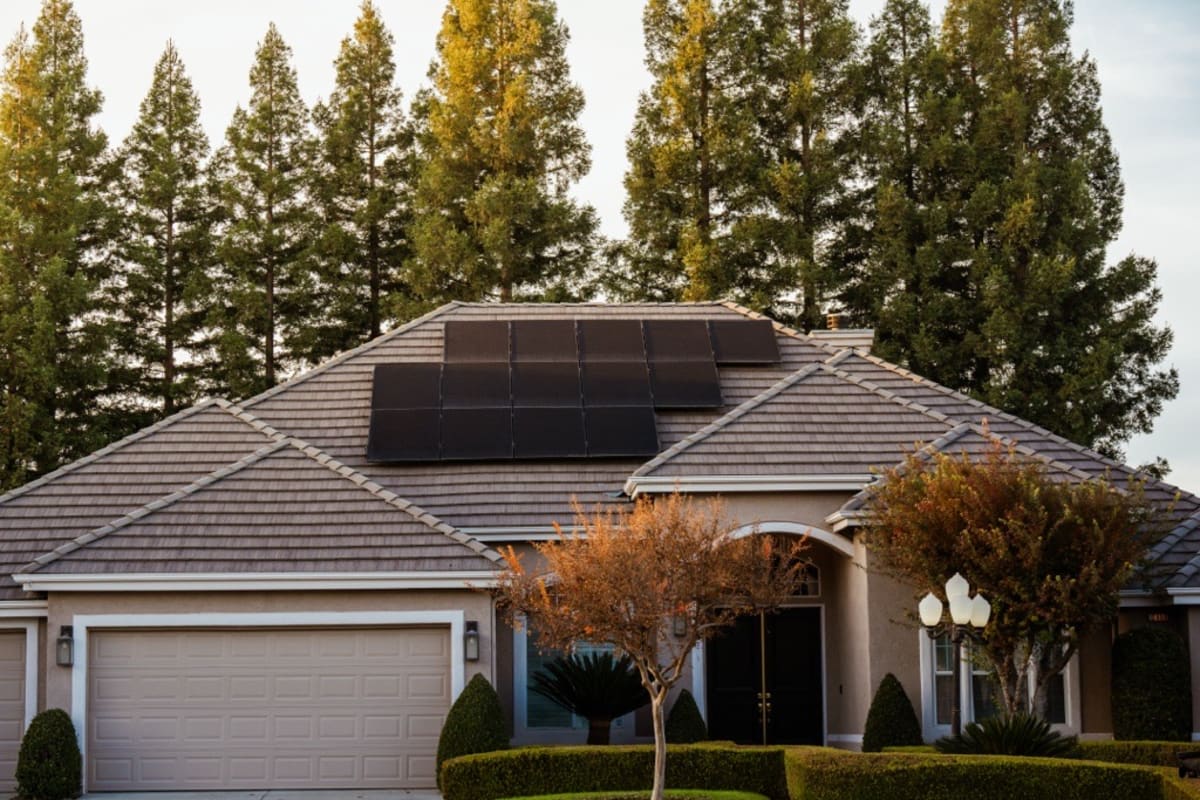
Sunrun is turning homes with solar panels and batteries into tiny data centers that help power artificial intelligence. Homeowners get paid while their home energy systems do double duty during downtime.
Your solar panels and home battery might soon earn you money by helping power the AI revolution, not just storing sunshine.
Sunrun, a major home solar and battery provider, just launched a pilot program that places small AI computing units in homes already equipped with their solar systems. Homeowners host the compact devices and get compensated, while their energy infrastructure helps tackle one of tech's biggest challenges: finding enough power and computing capacity for AI.
The timing couldn't be better. AI companies are desperately searching for more energy and computing power as demand for AI processing grows 35% each year. By 2030, experts at McKinsey predict AI inference (the real-time processing that powers things like ChatGPT responses) will make up more than half of all AI computing needs.
Unlike AI training that requires massive data centers, AI inference works well when spread across many smaller locations. That makes it perfect for deployment in homes that already have reliable power from solar and batteries. Sunrun spent nearly two decades perfecting how to manage, finance, and scale these distributed home energy systems.
The pilot program started small but is now expanding to multiple homes. Sunrun coordinates selling the computing capacity to businesses that need it while testing how the system performs under different conditions. The company will evaluate results over the coming months before deciding whether to roll it out more widely.
This builds on an even bigger announcement. Sunrun recently partnered with Tesla and Renew Home to create what would be America's largest distributed power plant, aggregating more than 16 gigawatts of flexible energy capacity from millions of homes.
That partnership combines hundreds of thousands of home battery systems from Sunrun and Tesla with over 8 million smart thermostats and devices managed by Renew Home. The network can feed power back to the grid from solar-charged batteries or shift household energy use during peak demand hours.
The Ripple Effect
This approach solves multiple problems at once. Data centers get the energy and computing power they desperately need. The existing electrical grid gains breathing room without building expensive new infrastructure. And homeowners earn money from equipment already sitting in their homes.
In Virginia, the data center capital of the world, the partnership already has 300 megawatts ready to deploy, with plans to reach 500 megawatts by 2030. That's enough to power hundreds of thousands of homes while supporting the tech infrastructure driving innovation.
The model democratizes both energy and technology. Just as rooftop solar let regular families generate their own power, this distributed computing approach lets American households participate directly in powering AI's future and share in the economic benefits. No additional land, water, or interconnection needed.
American homes are becoming power plants and data centers, proving innovation doesn't require choosing between progress and protecting the grid families depend on.
Based on reporting by Renewable Energy World
This story was written by BrightWire based on verified news reports.
Spread the positivity!
Share this good news with someone who needs it