Italian Scientists Create Bendable Solar Panels
Researchers in Italy developed lightweight, flexible solar panels that can curve around buildings without glass, making clean energy possible in places traditional panels can't go. The breakthrough combines proven technology with a streamlined manufacturing process that could transform how we install solar power.
Scientists just solved one of solar energy's biggest problems: rigid, heavy panels that only work on flat surfaces.
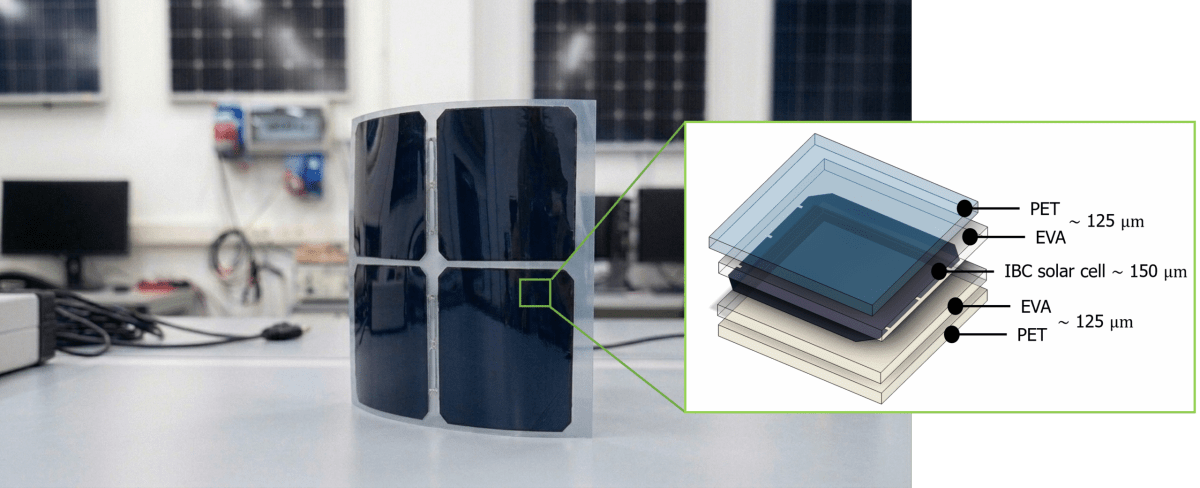
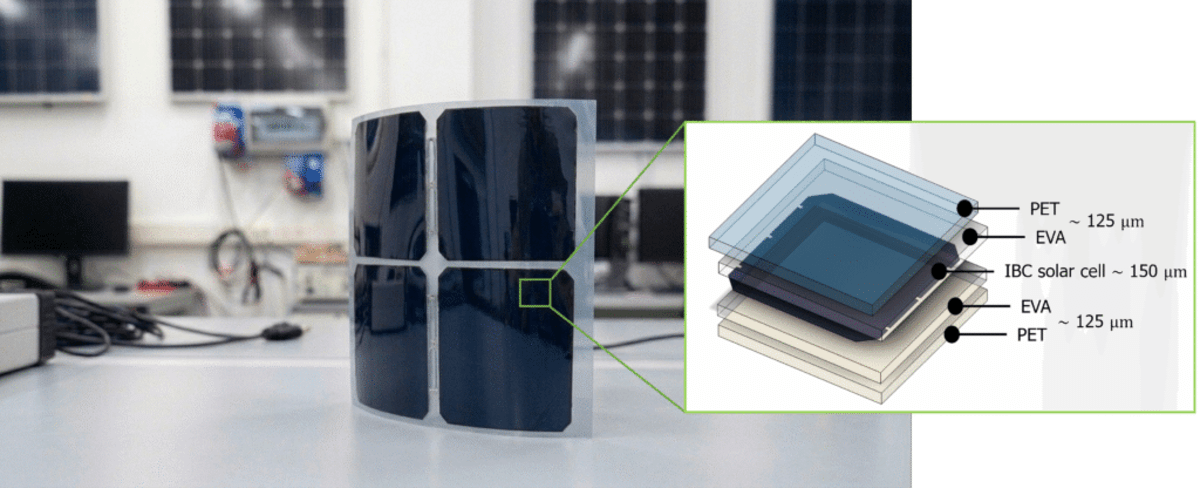
A team from Italy's University of Padova and the National Research Council created flexible solar modules that bend without breaking. These glass-free panels weigh far less than traditional ones and can wrap around curved buildings, vehicles, or structures where standard solar panels simply won't fit.
The innovation combines commercially available silicon solar cells with layers of protective plastic, all manufactured in a single streamlined process. Lead researcher Paola Jakuza explains that replacing glass with lightweight plastic material protects the delicate silicon while dramatically reducing weight and allowing flexibility.
The team tested their panels by bending them to tight curves and monitoring performance. A single cell module showed no cracks when bent to a radius of about four inches. Larger modules retained 93% of their power output even when curved significantly.
In real world conditions, the breakthrough looks even more promising. Researchers mounted a curved module outdoors and ran it continuously for 672 hours (28 days straight). After nearly a month of constant operation while bent, the panel retained over 96% of its original efficiency.
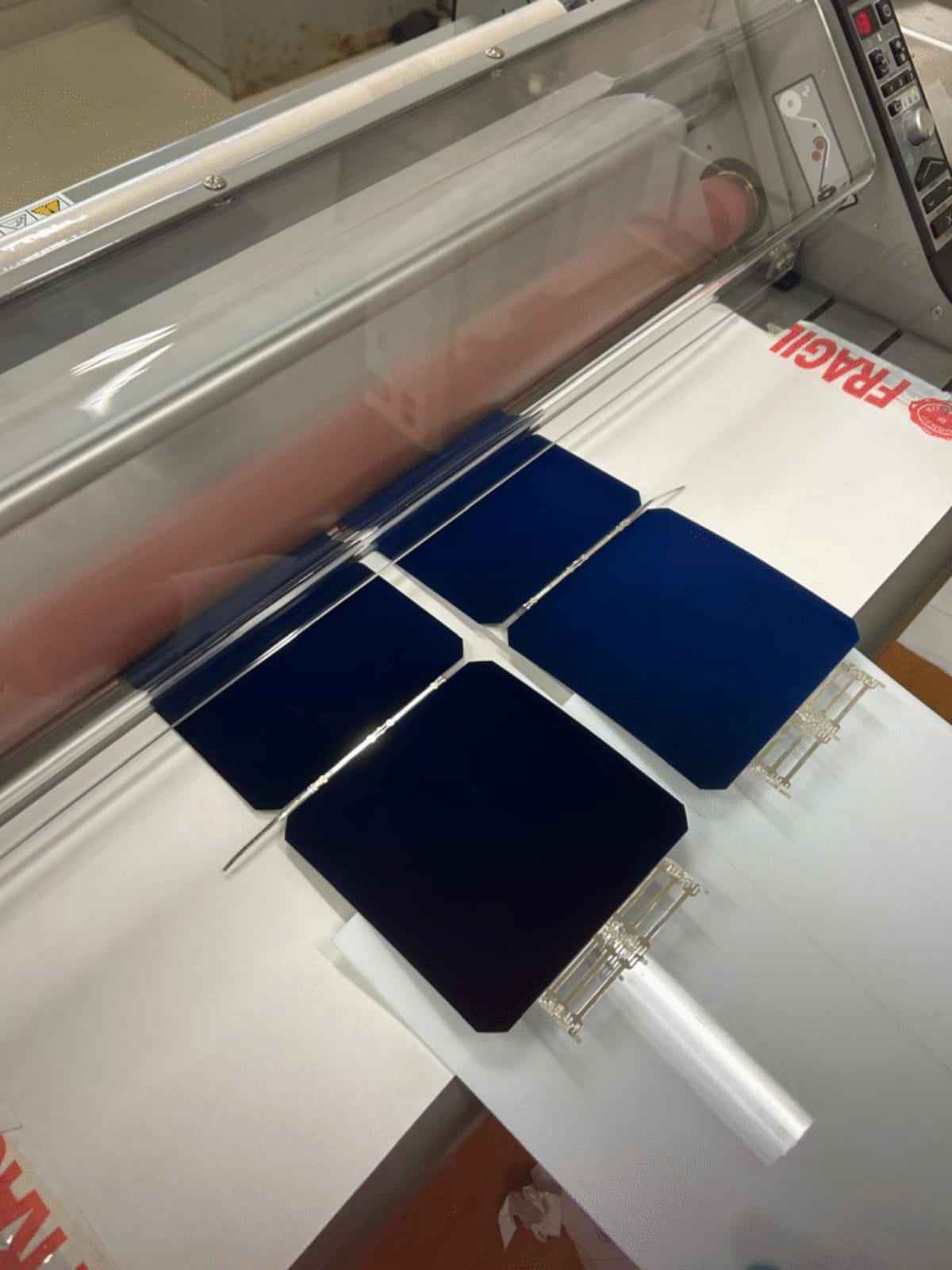
The manufacturing process matters as much as the technology itself. Traditional solar panel production requires expensive equipment and multiple steps. This new method uses a roll-to-roll lamination process similar to printing newspapers, which keeps costs down and makes large scale production feasible.
The Ripple Effect
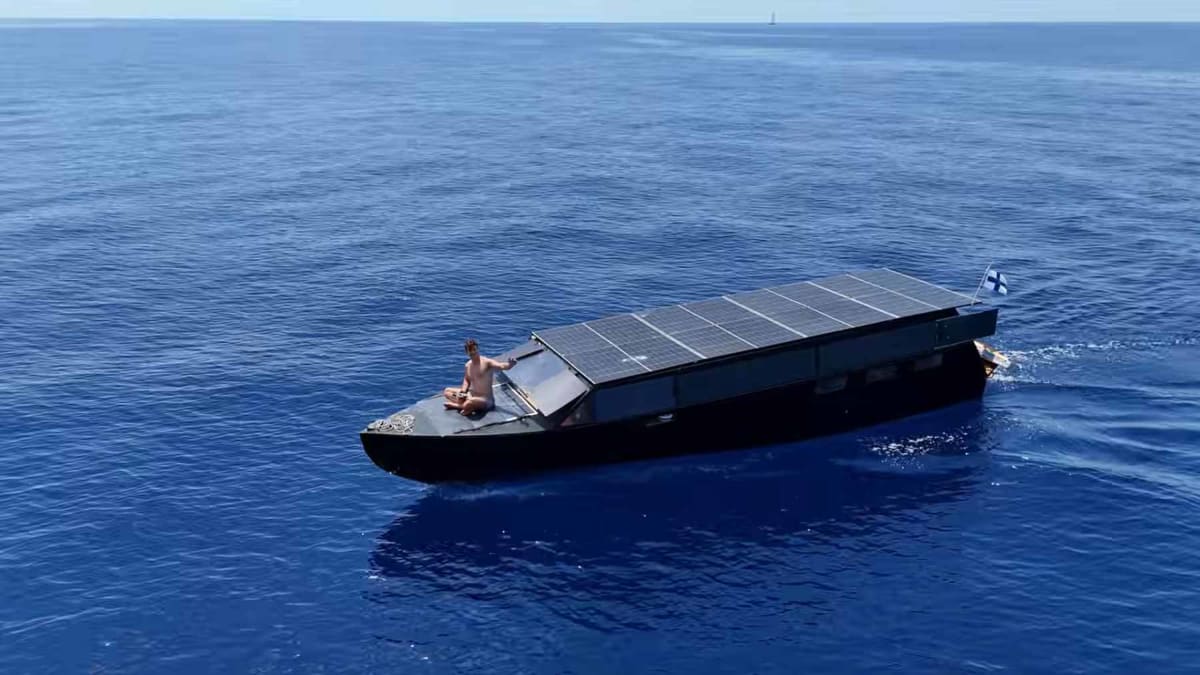
This technology opens doors solar power couldn't enter before. Historic buildings with curved architecture, vehicles, boats, and temporary structures can now generate their own electricity without heavy mounting systems or flat surfaces.
The weight reduction alone changes what's possible. Lighter panels mean more buildings can support solar installation without structural reinforcement. Remote areas with limited construction resources can deploy flexible panels more easily than traditional glass modules.
The team already secured a patent in 2020 and continues improving the design. Their next steps include adding anti-reflective coatings to boost efficiency and testing durability across different climates and installation types.
Future improvements will focus on long term reliability through thermal cycling tests and outdoor durability studies. The researchers are also working on simplified connection methods that could happen during the same manufacturing step, making production even more efficient.
Solar energy just became more adaptable, more accessible, and ready to power places we never thought possible.
More Images


Based on reporting by PV Magazine
This story was written by BrightWire based on verified news reports.
Spread the positivity!
Share this good news with someone who needs it