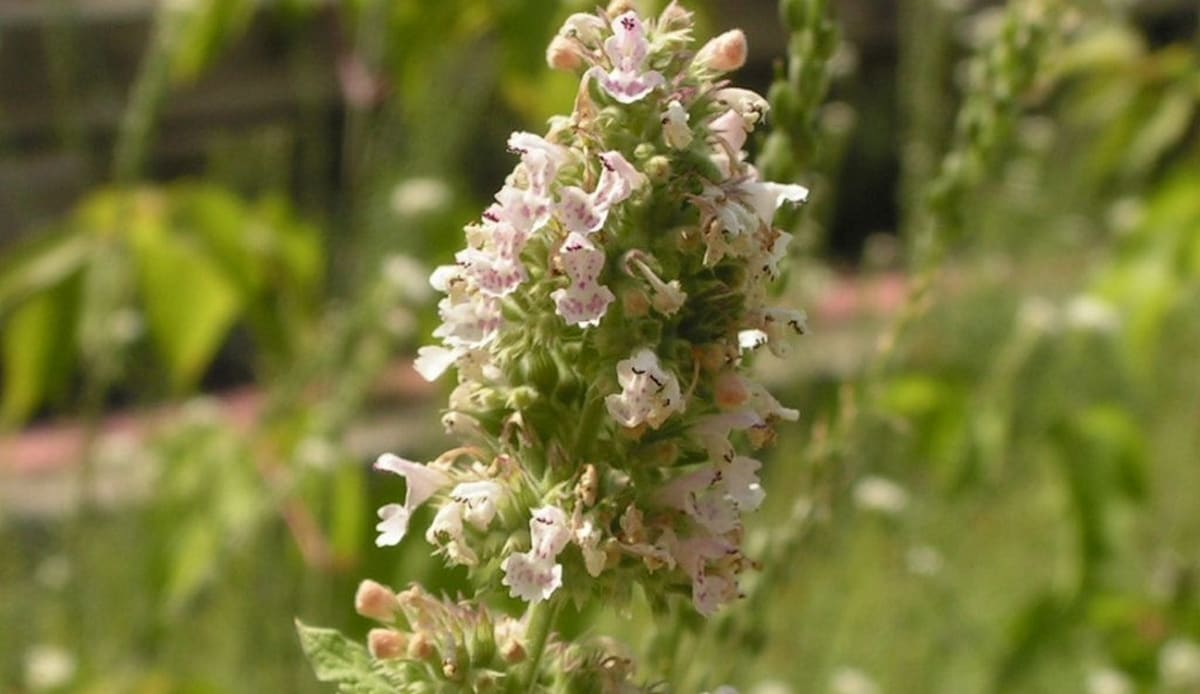
Homegrown Catnip Repels Mosquitoes as Well as DEET in Uganda
Ugandan farmers are growing catnip plants and turning them into an effective mosquito repellent that works just as well as DEET but costs far less. The discovery could help reduce malaria risk while putting money back into local communities.
Farmers in rural Uganda have found a homegrown solution to mosquitoes that works just as well as expensive commercial sprays.
Researchers from Cardiff University and Uganda discovered that a simple lotion made from catnip plants repels mosquitoes as effectively as DEET, the chemical in most store-bought repellents. The catnip lotion costs a fraction of the price and can be made locally by the same families who need it most.
The secret ingredient is nepetalactone, a natural chemical in catnip that confuses mosquito senses. Yes, it's the same compound that makes cats act goofy, but it turns out mosquitoes hate it.
In laboratory tests, a 6% catnip lotion matched DEET's protection against mosquito bites. Even a 2% version worked nearly as well. That matters in a region where malaria remains a serious threat and most families cannot afford commercial repellents.
"DEET is out of the price bracket for most rural Ugandan subsistence farmers," explains Dr. Simon Scofield, senior lecturer at Cardiff University. His team wanted to create something highly effective that local people could produce themselves for minimal cost.
The timing couldn't be better. Malaria parasites are developing resistance to medications, making prevention more important than ever. Stopping mosquitoes from biting in the first place reduces the need for drugs that are slowly losing their effectiveness.
Catnip grows easily in Uganda's climate, and the essential oil is simple to extract. The plant has actually been used as a traditional mosquito repellent for centuries, but this marks the first time scientists have proven it matches modern chemical repellents.
The Ripple Effect
The team worked with local communities to develop a product called DSK lotion that can be sold sustainably. Because the formula uses only essential oil and basic cosmetic ingredients, it cannot be patented. That means local producers keep control and profits.
"Once we know that we can sell and distribute the repellent at a low cost, that should generate a self-sustaining system where the money is flowing back to everybody at each stage in the development," Scofield says. Farmers grow the catnip, distillers extract the oil, and producers make the lotion, creating jobs at every step.
The lotion also smells better than harsh chemical repellents, making people more likely to use it regularly. Consistent use means fewer mosquito bites, which means less malaria.
What started as a research project presented at a science conference in Florence, Italy, has become a practical tool that empowers communities to protect themselves.
A plant that makes cats happy is now helping humans stay healthy and economically independent.
More Images




Based on reporting by Good News Network
This story was written by BrightWire based on verified news reports.
Spread the positivity!
Share this good news with someone who needs it