Invisible Skin Sensors Monitor Health Without Detection
Japanese scientists created health sensors so thin and transparent they're invisible on skin, removing the awkwardness of wearing medical devices. The breakthrough could make health monitoring as natural as wearing contact lenses.
Health monitoring just got a major upgrade that you won't even see coming.
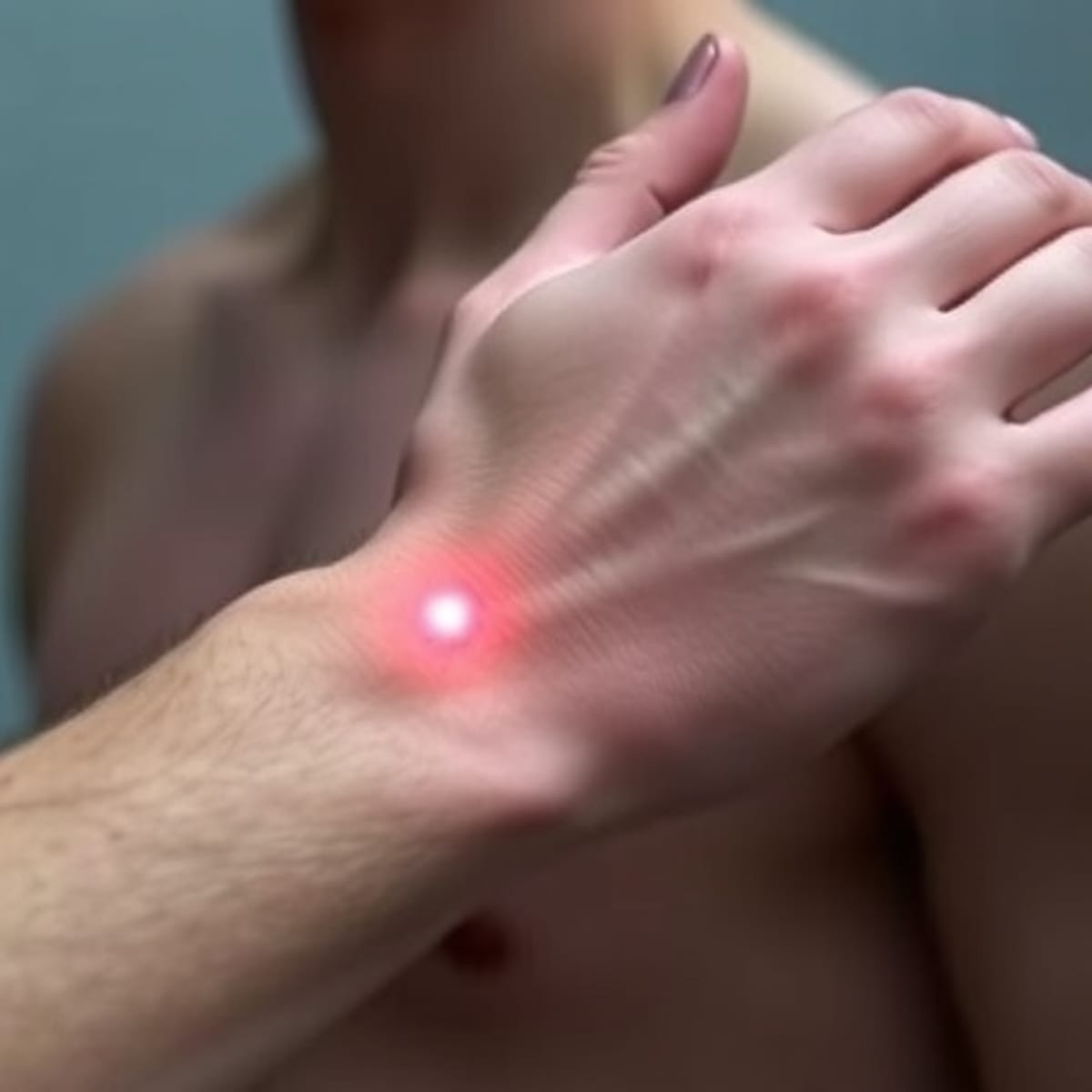
Researchers at The University of Tokyo have developed skin sensors so thin and transparent that people can't detect them by sight or touch. The electrodes are just 200 nanometers thick and blend seamlessly with all skin tones, eliminating the self-consciousness that comes with wearing visible medical devices.
The breakthrough solves a problem that's plagued wearable health tech for years. When people know they're wearing obvious sensors, they change their behavior, which skews the data researchers need. These new sensors act like a second skin instead of a foreign attachment.
The team didn't sacrifice performance for invisibility. The sensors successfully captured brain waves, eye movements, and facial muscle activity with better signal quality than traditional gel electrodes. Lower electrical resistance at the skin contact point means clearer, more reliable health data.
The sensors use transparent conductive nanowires layered on an ultrathin elastic film. By matching skin's optical properties, they eliminate the glossy, conspicuous look typical of most wearables. Neither the person wearing them nor outside observers could reliably spot the devices in testing.
Comfort was a central design goal alongside invisibility. The sensors are breathable and stretch naturally with skin movement, making them suitable for extended wear. They work equally well across different skin tones and surface features.
The applications extend beyond basic health monitoring. Researchers envision using facial and eye movement patterns to understand emotional and cognitive states. Future versions could enable hands-free control of assistive technologies and virtual reality systems without bulky headsets.
The study, published in Science Advances, represents a philosophy shift in wearable design. Instead of asking people to accommodate technology, the devices now adapt to human needs and social comfort.
The Ripple Effect
This technology could democratize continuous health monitoring by removing social barriers. People recovering from strokes could track facial muscle rehabilitation without feeling stigmatized. Parents could monitor children's health without making them feel different from peers.
The sensors open doors for mental health applications too. Tracking stress indicators through invisible facial muscle sensors could provide early warnings without the anxiety that comes from wearing obvious monitoring equipment. Healthcare providers could gather better baseline data because patients would forget they're even being monitored.
For people managing chronic conditions, invisible sensors mean less explaining to strangers and fewer awkward conversations. Health monitoring becomes truly integrated into daily life rather than a conspicuous medical intervention.
Better data means better healthcare, and the path to better data just became invisible.
More Images

Based on reporting by Google News - Health Breakthrough
This story was written by BrightWire based on verified news reports.
Spread the positivity!
Share this good news with someone who needs it