Hong Kong AI Predicts Storms 4 Hours Early, Saves Lives
Scientists in Hong Kong just doubled the warning time for deadly storms using AI that learns from satellite images. The breakthrough could protect millions as extreme weather becomes more common.
Imagine getting four hours' notice before a flash flood hits instead of just 20 minutes to grab your kids and run.
Scientists at Hong Kong University of Science and Technology just made that possible with a new AI system that predicts lightning storms and heavy rain twice as fast as current technology. The team unveiled their breakthrough on Wednesday, January 28, offering hope to communities increasingly battered by climate-driven weather chaos.
The system, called Deep Diffusion Model based on Satellite Data (DDMS), watches the sky through satellites instead of waiting for ground radar to spot trouble. By analyzing infrared temperature data from space, it catches storm clouds forming much earlier than traditional methods ever could.
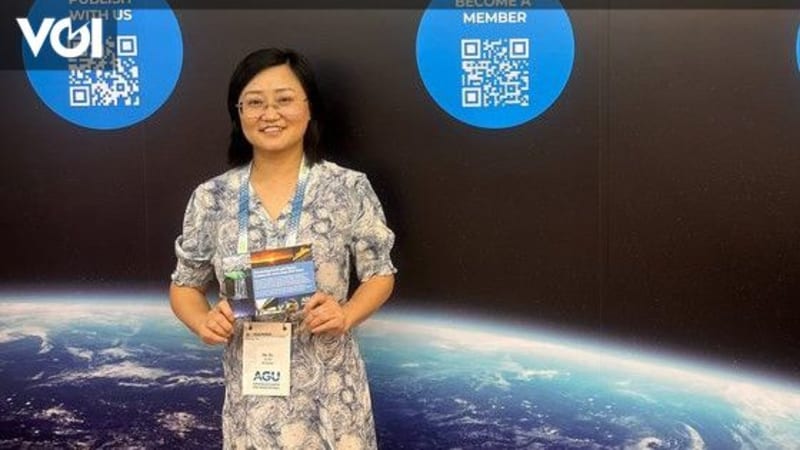
Professor Su Hui, who leads the project, points out the timing couldn't be better. Hong Kong and southern China just survived their worst weather year on record in 2025, with typhoons and rainfall smashing seasonal norms and triggering the highest storm warning five times in a single year.
What makes DDMS special is how it thinks. The AI uses a technique called generative diffusion, where it learns by adding noise to training data and then figuring out how to clean it up. This backwards approach helps it spot patterns that lead to extreme weather with 15 percent greater accuracy than older models.
The system updates every 15 minutes using data from the Fengyun-4 satellite, which captured weather patterns across China from 2018 to 2021. That constant stream of fresh information means emergency services get real-time alerts as conditions change, not outdated predictions based on yesterday's numbers.
Four hours might not sound like much, but it's the difference between evacuating a neighborhood safely and watching people scramble in panic. It gives governments time to deploy resources, open shelters, and warn residents through proper channels instead of relying on last-minute sirens.
The Ripple Effect spreads far beyond Hong Kong's borders. China's Meteorological Administration and the Hong Kong Observatory are already working to weave DDMS into their official forecasting protocols. After validating the model against spring and summer weather from 2022 and 2023, they're confident it can become a global standard for disaster preparation.
As extreme weather becomes the new normal worldwide, tools like DDMS transform how we protect ourselves. Every extra minute of warning time means fewer lives lost, less property destroyed, and more families who make it home safely when the skies turn dark.
The best part? This technology gets smarter with every storm it studies, learning from each weather event to predict the next one even better.
More Images



Based on reporting by Google News - AI Breakthrough
This story was written by BrightWire based on verified news reports.
Spread the positivity!
Share this good news with someone who needs it