Hong Kong Debuts Robot Surgery That Saves Lives
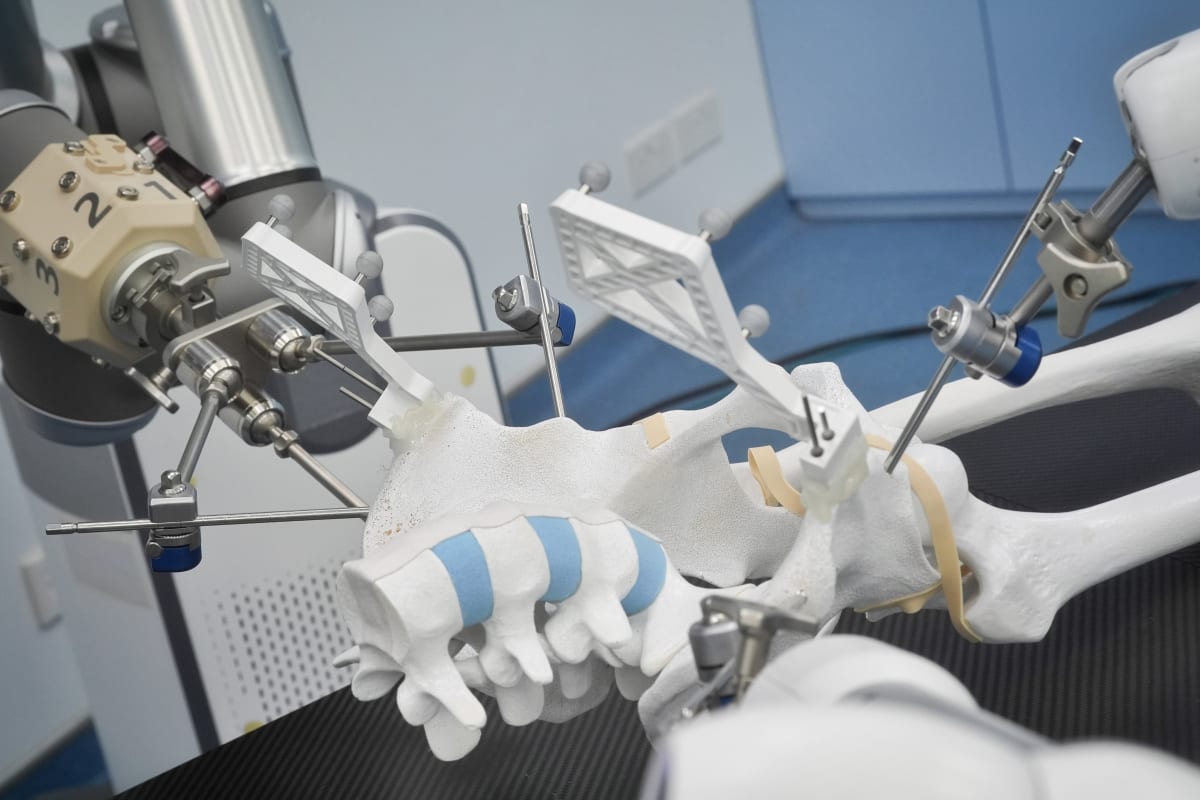
Surgeons in Hong Kong just completed the city's first robot-assisted pelvic fracture surgery, turning one of medicine's most dangerous procedures into a safer, gentler option for elderly patients. The breakthrough slashes blood loss from one liter to just a few tablespoons.
A medical robot just made one of surgery's most treacherous procedures dramatically safer for the patients who need it most.
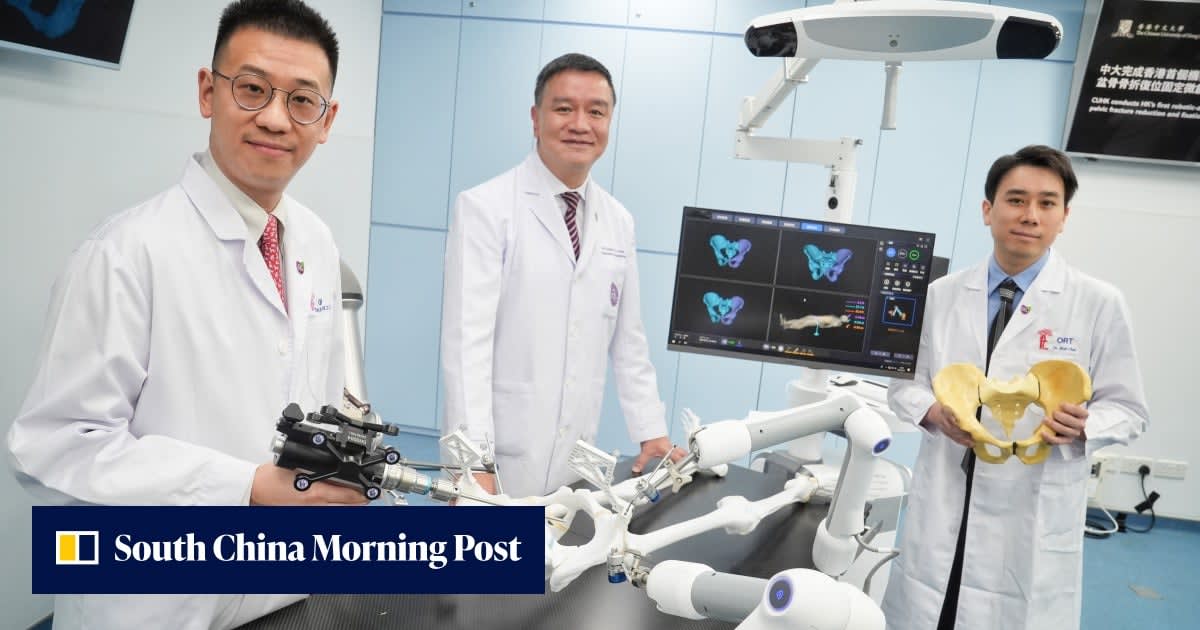
Researchers at the Chinese University of Hong Kong successfully performed the city's first robot-assisted pelvic fracture surgery in June, offering new hope for elderly patients facing a procedure that doctors have long considered among the riskiest in trauma care. The timing couldn't be better. About 2,000 people in Hong Kong suffer pelvic fractures annually, and that number keeps climbing as the population ages.
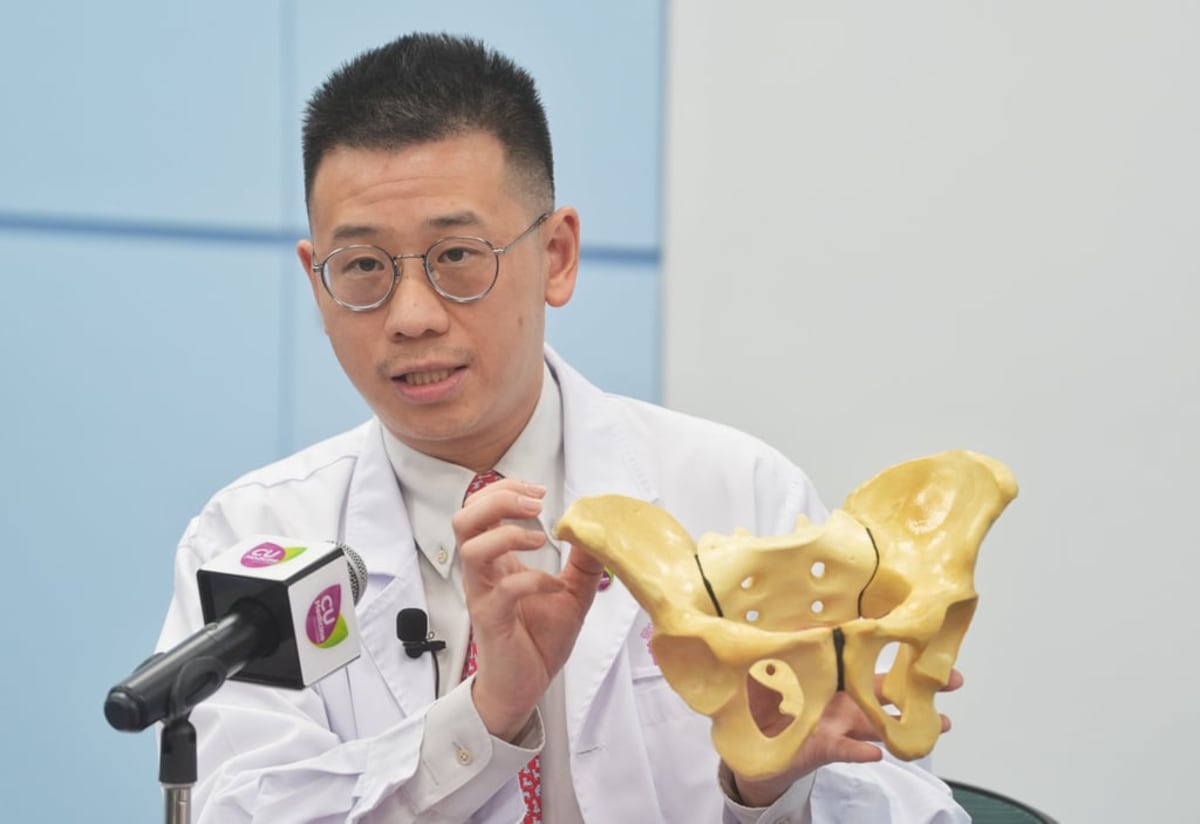
Dr. Ronald Wong, the surgeon who led the breakthrough, explains why this matters so much. Traditional pelvic surgery requires cutting through layers of tissue near vital organs and major blood vessels, often causing patients to lose up to one liter of blood during the operation. The new robotic system reduces that blood loss to just 10 to 20 milliliters, roughly two teaspoons.
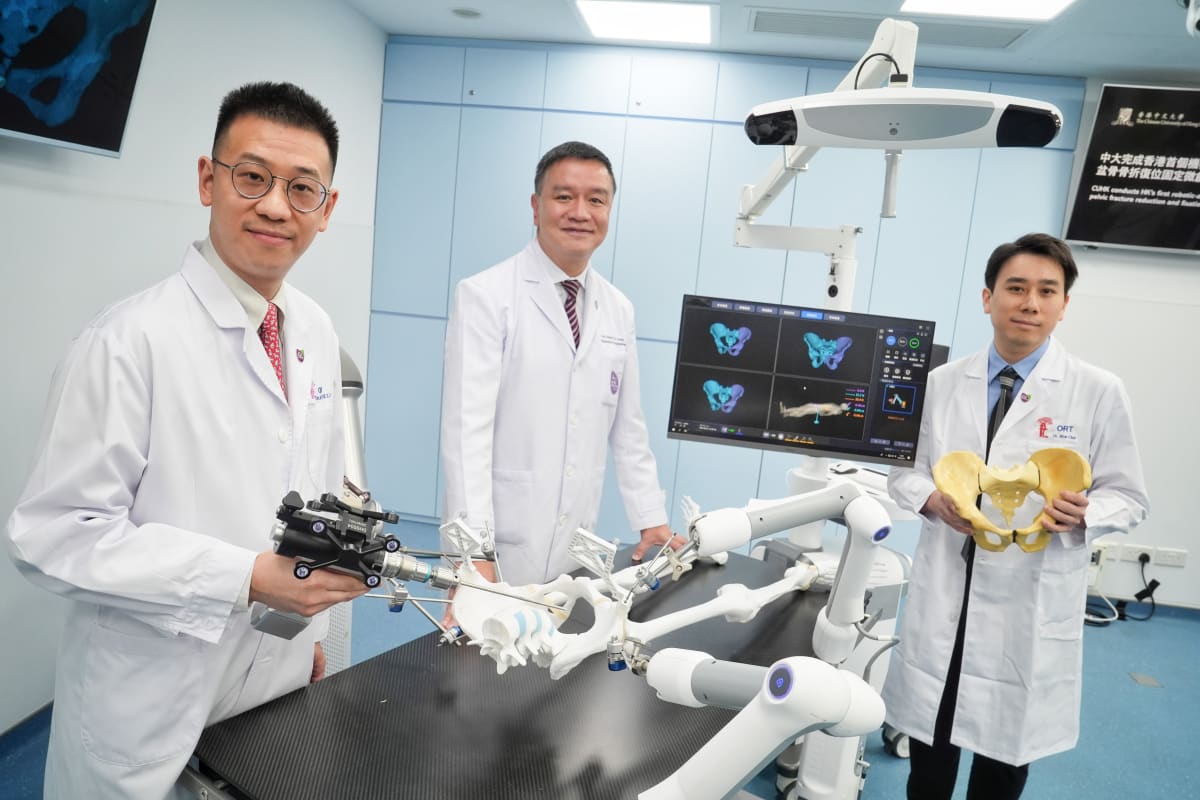
The technology works like a high-tech GPS for surgery. Real-time 3D imaging guides robotic arms to realign broken bones with pinpoint accuracy, requiring only tiny incisions instead of large cuts. Since June, three patients at Prince of Wales Hospital have already benefited from the system.
For older patients juggling multiple health conditions, those differences can mean the gap between a successful recovery and life-threatening complications. Pelvic fractures carry a sobering 15 percent mortality rate within the first year, making any advancement in treatment genuinely lifesaving.
The Ripple Effect spreads beyond Hong Kong's borders. The robotic system, developed partly by Beijing's National Orthopaedic Medical Centre, represents a collaboration that could help aging populations worldwide. The research team has already filed two patents in the United States for next-generation versions that will integrate artificial intelligence.
Wong and his colleagues aren't stopping here. They're organizing workshops to train other healthcare professionals on the system, working to make this innovation standard care rather than a rare exception. The current technology works best for recent fractures on one side of the pelvis, but future versions aim to handle even more complex cases.
What started as a single successful surgery in a Sha Tin hospital could reshape how doctors worldwide approach one of medicine's toughest challenges.
More Images

Based on reporting by South China Morning Post
This story was written by BrightWire based on verified news reports.
Spread the positivity!
Share this good news with someone who needs it