Tiny Dental Robot Could Cut Crown Visits in Half
Swiss researchers built a wine cork-sized robot that preps teeth for crowns with digital precision, potentially cutting dental appointments down to just one visit. The device moves with your head so you don't have to stay perfectly still.
Nobody wants to hear they need a crown, but a tiny robot from Switzerland might soon make the process less painful.
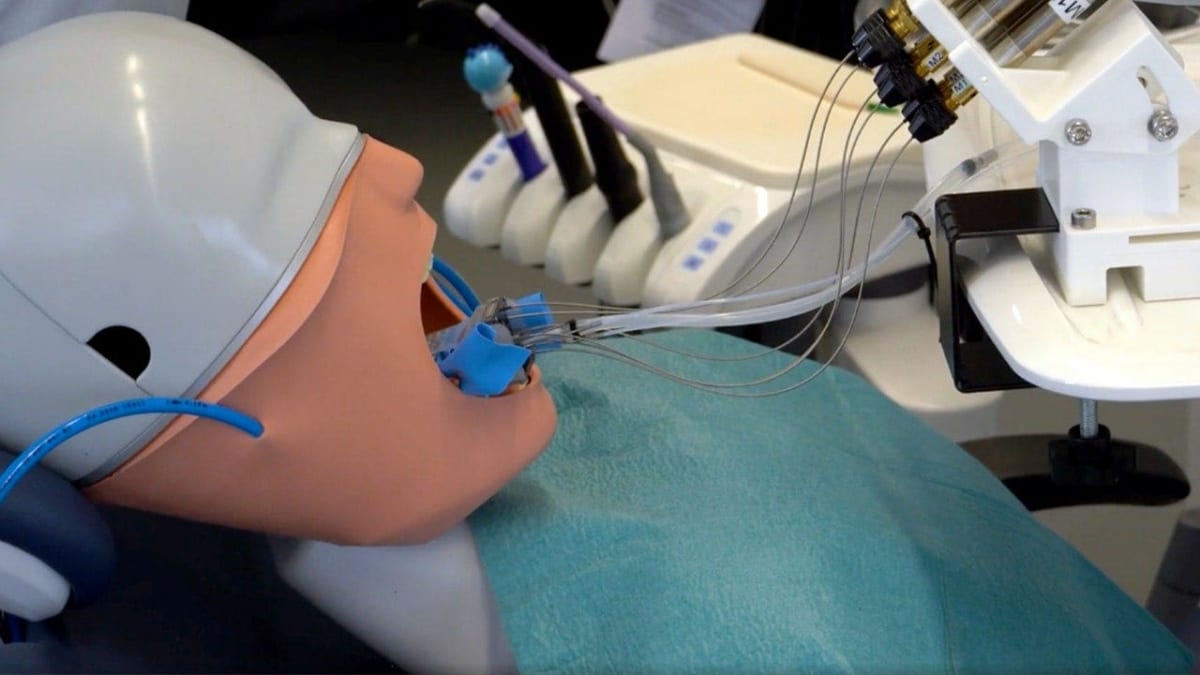
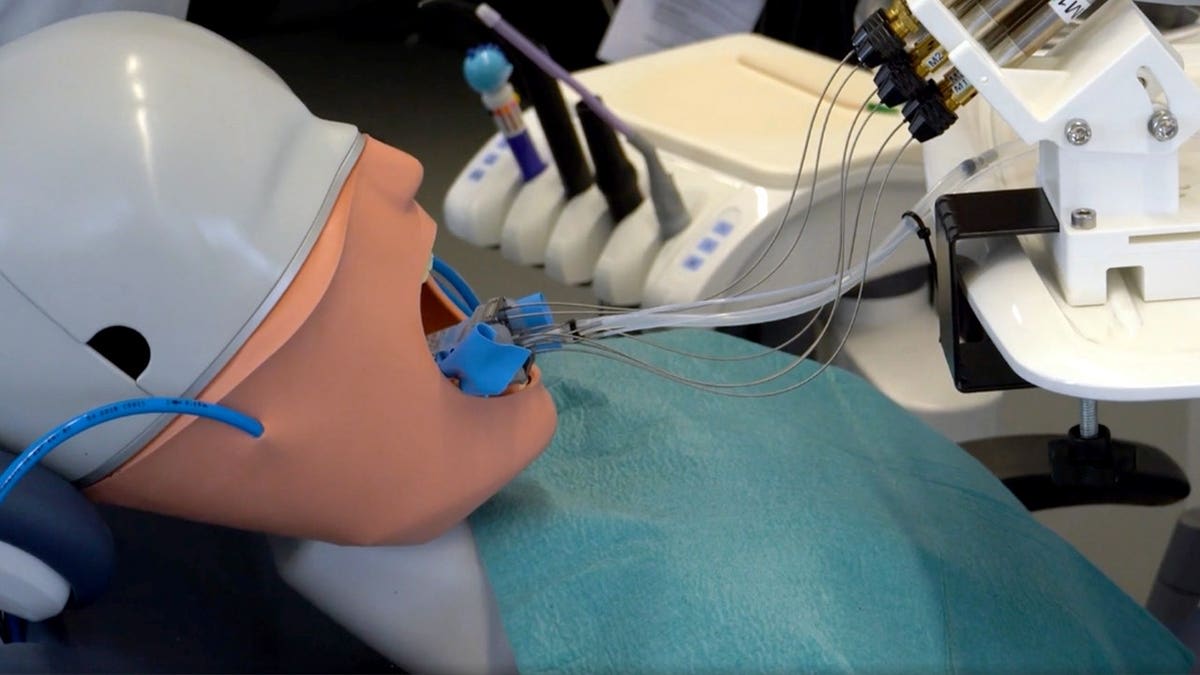
Researchers at the University of Basel created MIR, a miniature dental robot about the size of a wine cork. The device could one day prepare teeth for crowns in a single visit instead of requiring multiple appointments.
Here's how it works today: you get decay removed, the tooth shaped, an impression taken, a temporary crown fitted, then you wait weeks for the permanent crown. That's at least two visits, sometimes three.
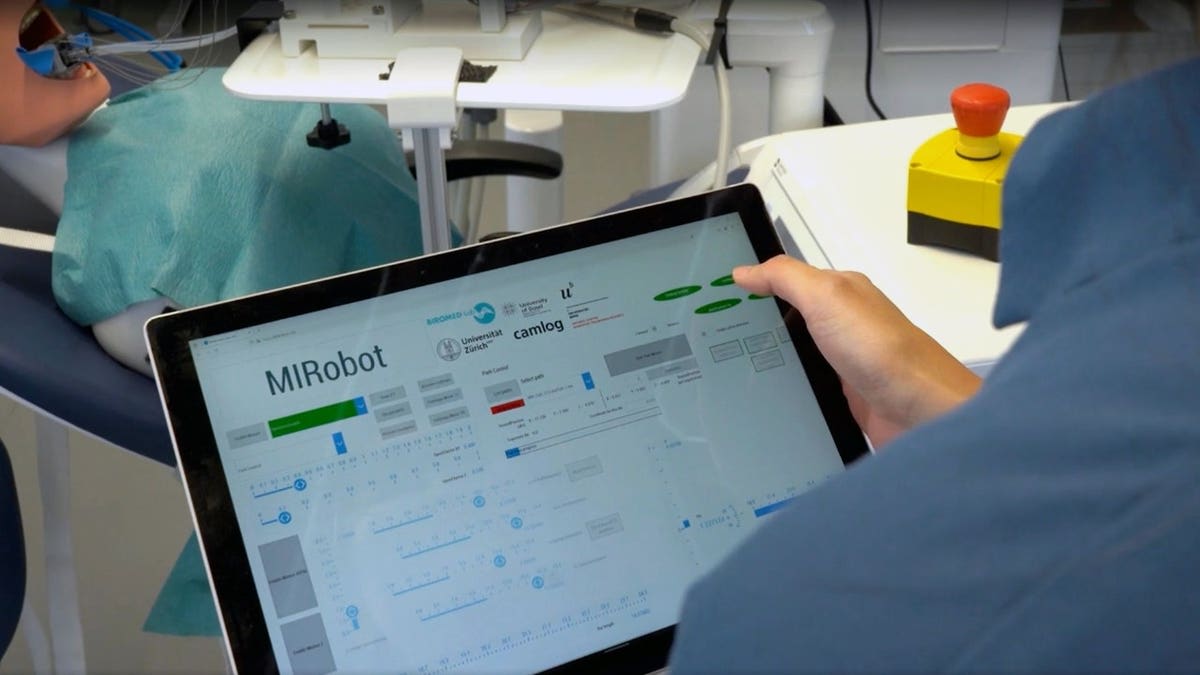
MIR aims to transform that into a digital workflow. After a dentist scans your tooth and creates a treatment plan, the robot does the precision work of preparing the tooth surface. The permanent crown could be ordered immediately, cutting out the waiting and the temporary crown hassle.
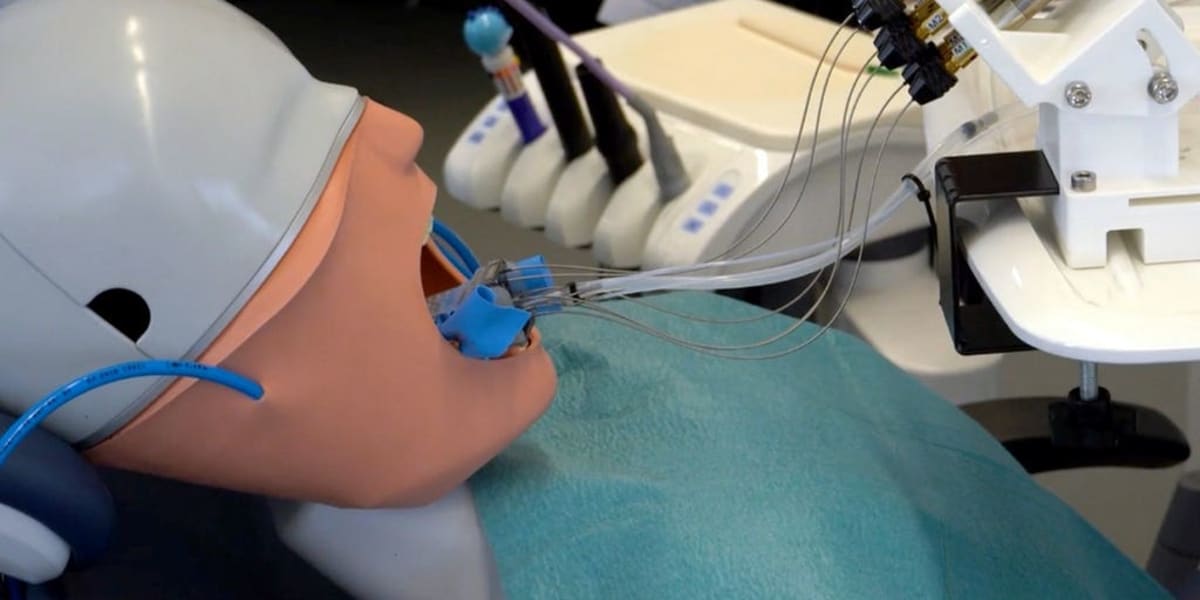
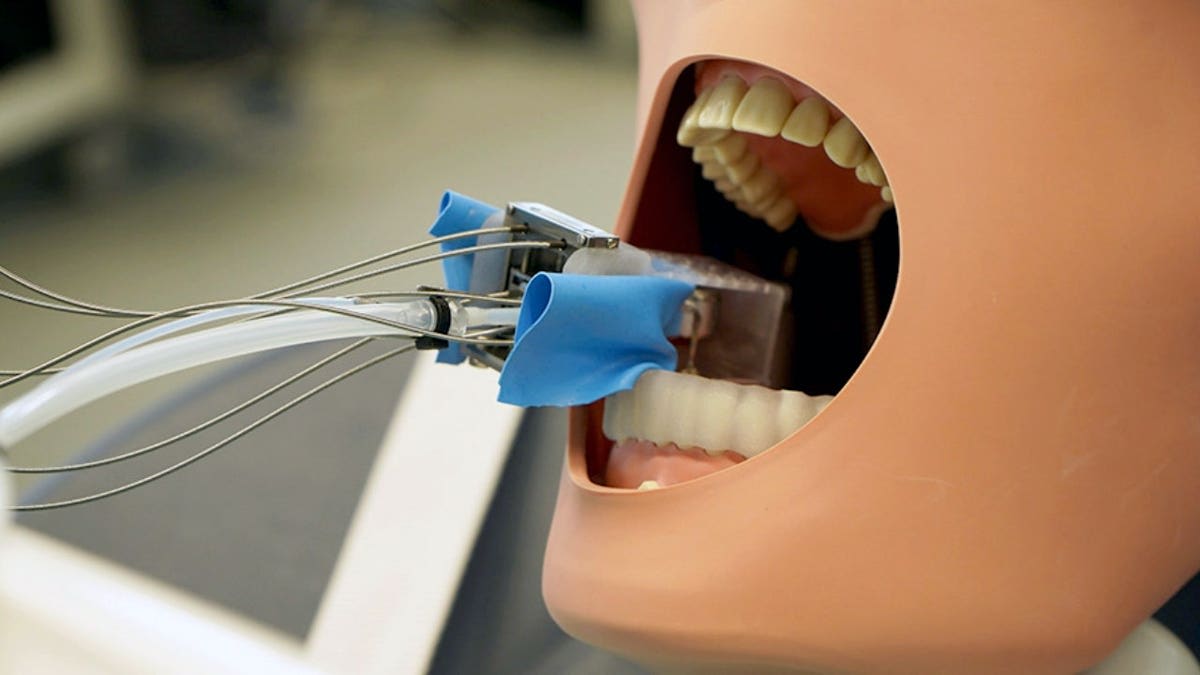
The robot attaches to a custom splint fitted to your teeth. If you turn your head or shift position, the robot moves with you. Anyone who's tried to stay frozen in a dental chair knows how hard that can be, so this detail matters.
The larger motor and control parts stay outside your mouth, connected to the tiny in-mouth unit through flexible cables and tubes. The robot measures just 43 by 26 by 28 millimeters, small enough to fit comfortably without blocking the dentist's view.
In tests on synthetic tooth models and ceramic materials similar to enamel, MIR achieved precision within 0.2 millimeters. The drilling force stayed below five newtons, roughly the weight of a half-liter water bottle.
Why This Inspires
This isn't just about saving time at the dentist. It's about making dental care more accessible and less stressful for millions of people who avoid treatment because of the time commitment or anxiety.
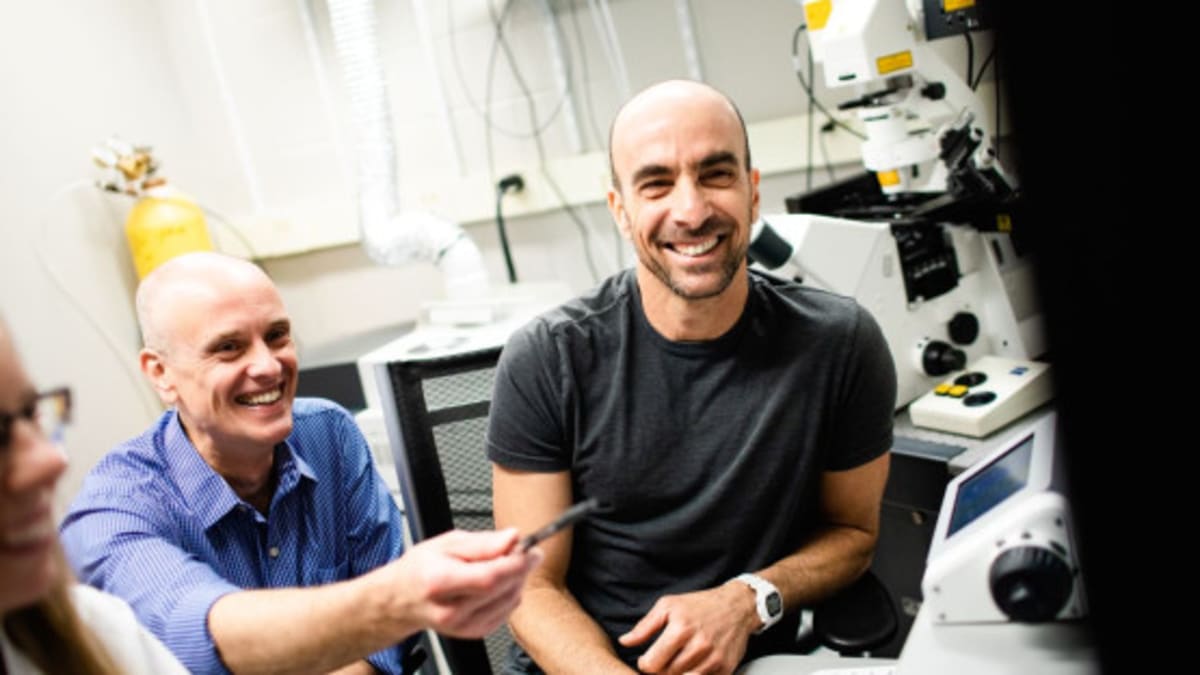
Dr. Yukiko Tomooka and her team are working toward a fully digital dental workflow that could reduce costs and improve precision. Professor Georg Rauter says the next step is adding sensors and cameras so the robot can track its position and monitor treatment in real time.
The robot hasn't reached dental offices yet. The team needs to perfect the safety features and test it in real mouths with saliva, movement, and all the complexities that come with actual patients.
But the vision is clear: dentistry that's faster, more precise, and less intimidating for everyone who dreads hearing "you need a crown."
More Images
Based on reporting by Fox News Latest Headlines (all sections)
This story was written by BrightWire based on verified news reports.
Spread the positivity!
Share this good news with someone who needs it
%2Ffile%2Fattachments%2Forphans%2FbmAIAfrica1_676099.jpg)