Hong Kong Port Deploys AI Trucks to Solve Labor Shortage
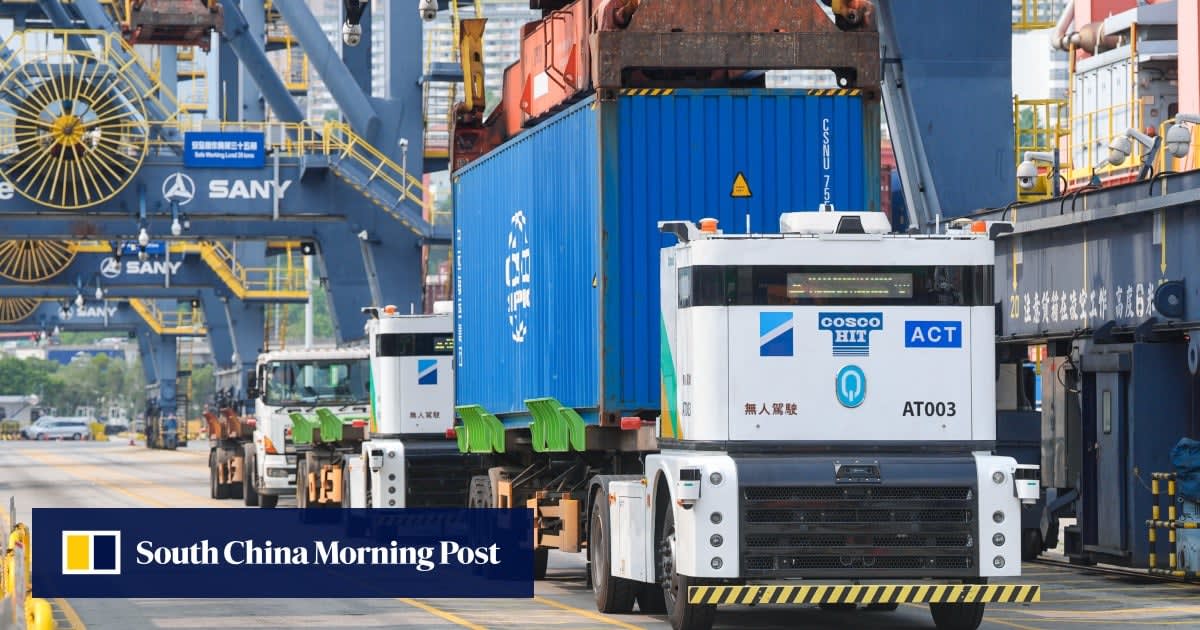
Six driverless electric trucks at Hong Kong's busiest port have moved over 8,000 containers since January, offering a practical solution to a growing worker shortage. The AI-powered fleet shares roads with traditional trucks and could expand across all terminals.
Hong Kong just found a smart answer to one of its biggest workplace challenges, and it's already moving containers by the thousands.
Hutchison Port Holdings Trust launched six AI-powered driverless trucks at Kwai Tsing Container Terminal in January. Since then, they've handled more than 8,000 container movements while working alongside human-driven trucks on the same roads.
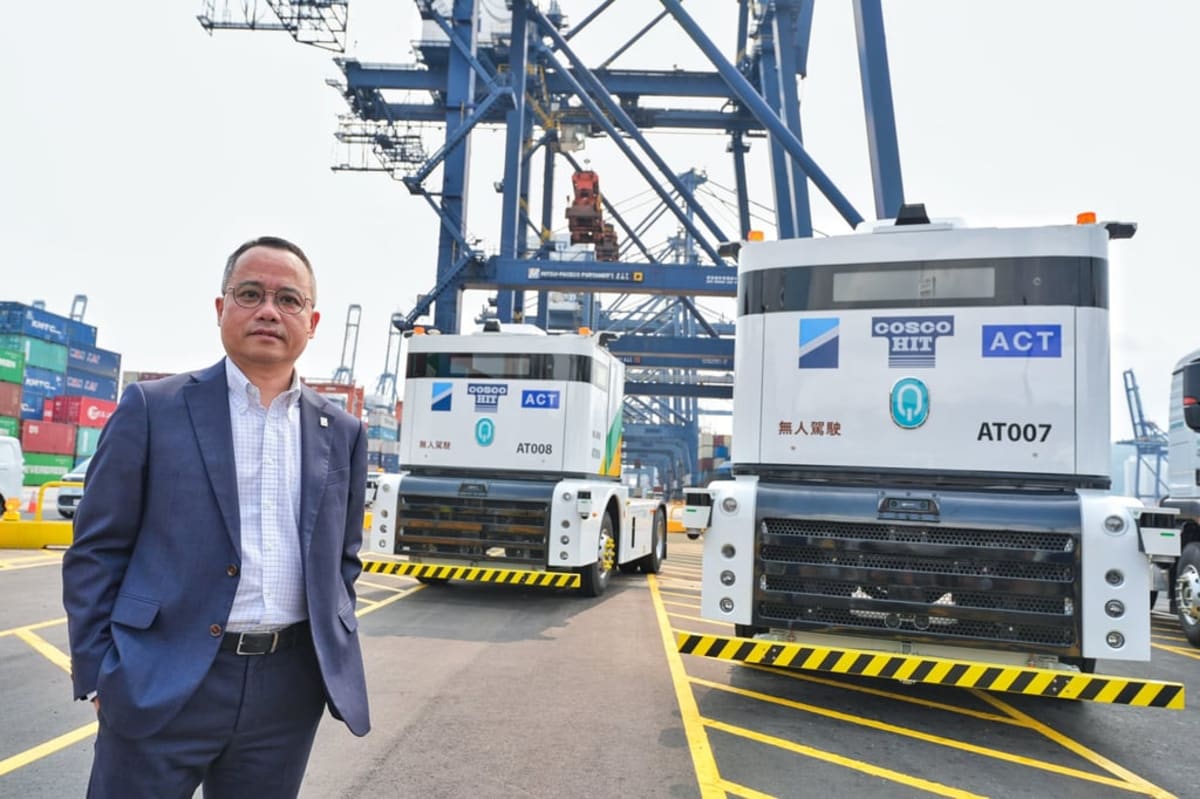
"Hong Kong has been affected by a labor shortage across sectors," said Raymond Lam, director of operations at Hong Kong International Terminals. The shortage of commercial vehicle drivers has hit ports especially hard, making everyday operations increasingly difficult.
The electric autonomous trucks don't need special lanes or separate routes. They use AI-driven dual cameras, advanced GPS positioning, and laser radar to navigate the busy terminal safely alongside traditional vehicles.
The system runs on a dedicated 5G network that processes information in real time. When obstacles appear, the trucks automatically slow down or stop. Emergency bumpers and halt buttons add extra layers of protection.
A central control system monitors every truck through high-resolution CCTV cameras across the entire port. If anything unusual happens, the system alerts the fleet management team, which can instantly reroute vehicles or trigger emergency stops.
The trucks charge for about an hour each day. As the fleet grows, the company plans to introduce swappable batteries that take just six to seven minutes to replace, keeping trucks running without long charging breaks.
The Ripple Effect
This isn't just about moving containers faster. The driverless fleet shows how technology can fill real gaps in the workforce without replacing jobs that people want to do. With commercial driver positions sitting empty across Hong Kong, these trucks handle work that wasn't getting done.
The company plans to expand the autonomous fleet across all its terminals. Currently, human-driven trucks still handle more than 90 percent of port logistics, but the mix of old and new technology is creating a more resilient operation.
The trucks use AI algorithms to choose faster routes based on live traffic conditions, improving efficiency throughout the terminal. Lam confirmed the efficiency gains are real, though specific numbers weren't shared yet.
This practical application of AI addresses a genuine need without the hype that often surrounds new technology. The trucks work quietly alongside people, filling a gap that helps everyone do their jobs better.
Hong Kong's ports stay competitive, workers avoid burnout from understaffing, and the city gets a working model for how automation can solve real problems instead of creating new ones.
More Images


Based on reporting by South China Morning Post
This story was written by BrightWire based on verified news reports.
Spread the positivity!
Share this good news with someone who needs it