
China Launches Space AI Hub as Tech Race Moves to Orbit
China just opened a state-backed research institute focused on artificial intelligence computing in space, signaling that the global tech race is literally moving beyond Earth. The move comes as both superpowers look to space as the solution to energy limits facing ground-based AI data centers.
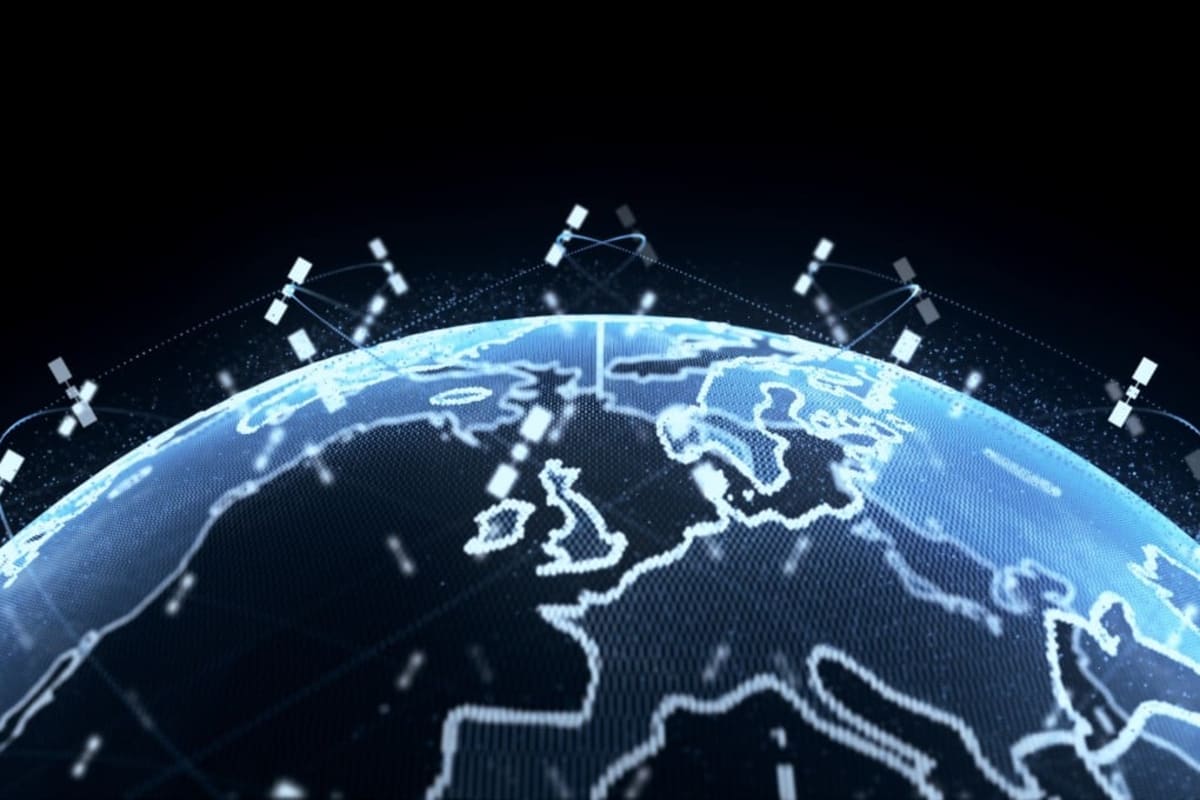
The future of artificial intelligence might not be built in Silicon Valley server farms but in satellites orbiting high above our planet.
China launched the Beijing Space Intelligent Computing Research Institute in late May, marking a bold new chapter in the US-China tech competition. The facility opened in Beijing's E-Town district, a hub already home to dozens of robotics and AI companies.
The institute represents more than national pride. It tackles a very real problem: AI data centers on Earth are hitting energy walls, consuming massive amounts of electricity that strain power grids and slow innovation.
Space offers a compelling alternative. Solar power is constant and abundant beyond our atmosphere. Cooling systems work more efficiently in the vacuum of space. And orbital computing could bypass the infrastructure limitations holding back AI development on the ground.
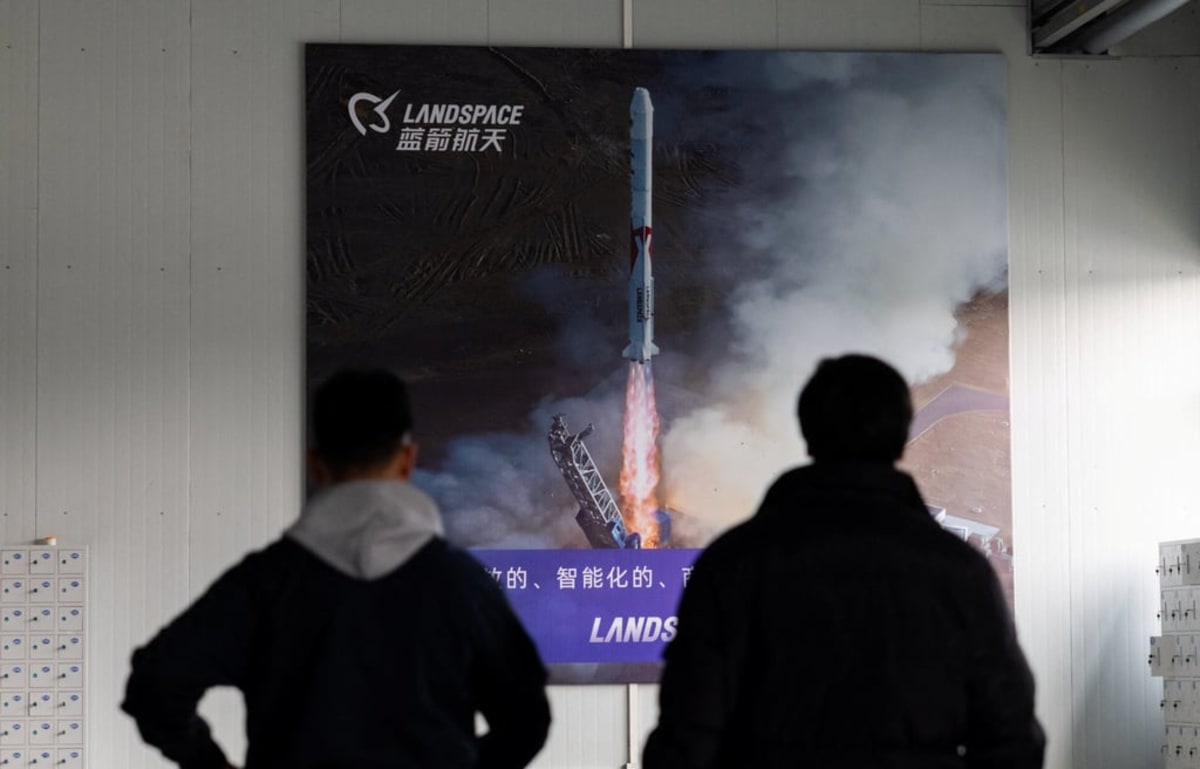
The research center will focus on four key areas: space-computing chips designed to withstand radiation and extreme temperatures, inter-satellite laser communication for data transfer, space energy systems, and safety standards for orbital operations. A consortium led by China's National Information Technology Application Innovation Park is funding the effort, with backing from private rocket companies like LandSpace.
The team has set an ambitious timeline, aiming to develop and launch a pilot satellite by the end of 2028. That deadline puts pressure on researchers to move quickly from concept to working hardware.
The news comes as SpaceX prepares for a historic $75 billion initial public offering, with Elon Musk openly discussing his own vision for orbital AI infrastructure. The parallel timing underscores how both nations view space-based computing as critical to maintaining technological leadership.
The Ripple Effect
This race to space could accelerate solutions to problems facing everyone. Better satellite technology means improved global internet access for remote communities. Advances in space energy systems could inform cleaner power solutions back on Earth. And the push for more efficient computing chips benefits all technology users.
The competition may also drive down costs for space access as both countries invest in launch capabilities and orbital infrastructure. Private companies beyond the US and China are watching closely, with several already developing their own space computing concepts.
For communities struggling with the environmental impact of massive data centers, space-based alternatives offer hope for sustainable AI development. Countries without the land or energy resources for traditional data centers might leapfrog directly to orbital solutions.
The sky is no longer the limit for where innovation can happen.
More Images
Based on reporting by South China Morning Post
This story was written by BrightWire based on verified news reports.
Spread the positivity!
Share this good news with someone who needs it